What Is a Thermal Scope? A Complete Beginner's Guide

If you are just stepping into the world of night hunting gear, looking at thermal optics can feel like trying to read a foreign language. Between all the technical acronyms, sensor numbers, and advanced features, it is easy to get overwhelmed. You are probably wondering where to even start.
Here's the deal: you don’t need an engineering degree to understand this technology. At its core, the concept is incredibly straightforward. If you have been asking yourself exactly what is a thermal scope and whether it actually pulls its weight in the field, you are in the right place. Let’s break down the tech in plain English so you can figure out what gear makes sense for your next hunt.
What Is a Thermal Scope?
In plain English, a thermal scope is an aiming device that lets you see heat rather than light.
Every object on Earth emits some level of heat, even a block of ice. Living creatures—like wild hogs, coyotes, and deer—emit a lot of it. A thermal imaging scope picks up on those tiny differences in temperature and turns them into a high-contrast picture you can see through an eyepiece. Because it relies entirely on heat signatures instead of visible light, a thermal rifle scope works exactly the same in pitch-black darkness as it does in the middle of a sunny day.
For hunters, this is a massive advantage. An animal can camouflage its fur against the brush, but it cannot hide its body heat.
How Does Thermal Scope Work?
It sounds like magic, but having thermal imaging explained step-by-step makes it simple and approachable. Here is how a thermal optic takes an invisible heat signature and turns it into a clear target:
- Heat Detection: The specialized germanium lens on the front of the scope gathers infrared energy (heat) emitted by the environment and the animals in it.
- Infrared Sensor: This energy is focused onto a thermal sensor inside the scope (often called a microbolometer). The sensor reads the temperature differences across the entire scene.
- Image Processing: The scope’s internal computer processes that temperature data instantly. It assigns different colors or shades of gray to different temperatures to create a map of the heat.
- Display in the Eyepiece: Finally, that processed image is sent to a small, high-resolution screen inside the eyepiece. You look at the screen, and you see the heat map in real time.
Why Hunters Use Thermal Scopes
Hunters don't just use thermal optics because they look cool. They use them because they solve real-world problems in the field. Here is why thermal has become the go-to night hunting optic:
- Spotting animals in total darkness: You can scan a pitch-black field and instantly see a glowing heat signature from hundreds of yards away.
- Seeing through bad conditions: Thermal scopes can often see through light brush, tall grass, fog, and smoke. The heat cuts right through the obstacles that would blind a normal glass scope.
- Faster target identification: When a coyote is creeping along a dark treeline, its glowing heat signature gives it away immediately.
- Improving predator control: Hogs and coyotes are most active at night. Thermal gear levels the playing field, making population control much more effective.
Thermal Scope vs Night Vision
This is the most common point of confusion for a beginner. While both help you see in the dark, they do it in completely different ways.
- Night Vision amplifies available light. It takes whatever moonlight or starlight is out there and multiplies it so your eye can see it (usually resulting in that classic green glow). If it is completely pitch black with heavy cloud cover, traditional night vision struggles unless you use an infrared flashlight to light up the area.
- Thermal detects heat, completely ignoring visible light. It doesn't care if there is a full moon or zero moonlight.
Thermal vs night vision: Which is better? When it comes to pure detection—spotting an animal hiding in the brush or a field a quarter-mile away—thermal wins every time. Night vision is great for navigating terrain and seeing fine physical details (like antlers), but thermal is the undisputed king of finding the animal in the first place.
Common Uses for a Thermal Scope
Out there in the real world, a thermal scope earns its keep in a variety of ways:
- Hog Hunting: Feral pigs cause massive agricultural damage and are heavily hunted at night when they are most active.
- Predator Hunting: Calling in coyotes, bobcats, or foxes under the cover of darkness.
- Property Monitoring: Scanning your ranch or farm for trespassers or predators threatening livestock.
- Recovering Animals: A thermal optic is an incredible tool for tracking a downed animal in the thick brush by following its remaining body heat or blood trail.
Key Features Beginners Should Understand

When you are ready to shop for a thermal scope for beginners, the spec sheet can look intimidating. Here are the core features you actually need to care about:
- Sensor Resolution: Think of this like the megapixel count on your phone camera. Higher numbers (like 640x512) mean a sharper, clearer image than lower numbers (like 256x192).
- Thermal Sensitivity (NETD): This measures how well the scope can tell the difference between tiny temperature changes. It is measured in milliKelvins (mK). Lower is better! A scope with an 18mK rating will show you more detail in a cold, rainy environment than a scope with a 40mK rating.
- Magnification: Thermal scopes have a "base" optical magnification (like 2x or 3x) and a digital zoom. Remember that zooming in digitally will make the image a bit pixelated, so choose a base magnification that fits your normal shooting distance.
- Field of View (FOV): How wide of an area you can see at once. Lower magnification usually means a wider FOV, which is great for scanning and close-range brush hunting.
- Battery Life: Night hunting means long hours. Look for scopes with replaceable batteries (like 18650s) so you can swap them out when they die in the field.
- Display Quality: The screen you look at inside the scope matters. Look for OLED displays for crisp contrast and deep blacks.
- Recording Features: Many modern thermal scopes have internal memory and built-in Wi-Fi so you can record your hunts and send the video straight to your phone.
- Size and Weight: A bulky scope can throw off the balance of your rifle. Compact options are becoming much more popular for hunters who cover a lot of ground on foot.
What First-Time Buyers Should Look For
Don't buy the most expensive scope just because it has the highest numbers. Build your setup around how you actually hunt. Use this quick checklist:
- Intended Use: Are you sitting in a blind over a feeder, or walking miles spotting and stalking?
- Typical Shooting Distance: If you shoot pigs at 50 yards, a low-magnification, lower-resolution scope will do the job perfectly. If you are shooting coyotes at 300 yards, you need higher magnification and a premium 640 sensor.
- Terrain and Weather: Humid, foggy environments degrade thermal images. If you hunt in swampy areas, pay extra for better thermal sensitivity (NETD).
- Portability: If you run a lightweight AR-15 setup, look for a compact, lightweight scope.
- Ease of Use: You don't want to be fumbling through complicated menus in the dark. Simple, intuitive controls are a must.
- Budget vs Performance: Buy the best sensor resolution you can comfortably afford, but do not ignore the cost of good mounting hardware and extra batteries.
Common Beginner Mistakes
Avoid these traps when you are shopping for your first thermal rifle scope:
- Focusing only on magnification: High magnification on a low-resolution sensor just gives you a blurry, pixelated mess. Always prioritize sensor quality over massive zoom numbers.
- Confusing "Detection" range with "Identification" range: A scope might boast a 1,500-yard detection range. That just means you can see a warm blob at 1,500 yards. You might only be able to clearly identify what kind of animal that blob is at 300 yards.
- Ignoring battery type: Internal, non-removable batteries are tough if they die mid-hunt. Scopes with field-swappable batteries keep you in the woods longer.
- Buying strictly on price: Cheap, no-name thermals often use outdated sensors and break easily under recoil. Stick to reputable brands with solid warranties.
Example Modern Thermal Scope Designs
To give you a sense of what the current market looks like, let's look at how a leading brand like ATN builds its optics today:
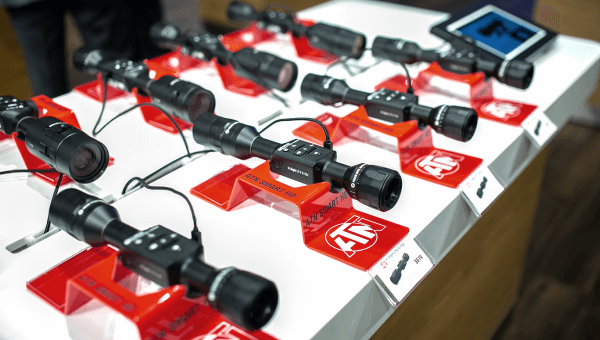
- ThOR 6 Mini: This is a perfect example of where thermal technology is heading. It is built to be compact, maneuverable, and lightweight (weighing just over a pound). Despite the small footprint, it runs on standard 18650 removable batteries, features intuitive 3-button controls, and offers sensors up to a crisp 640x512 resolution. It punches above its weight for hunters who want to stay mobile.
- ThOR 6: This represents the more traditional, full-featured platform. It features a larger profile but brings serious processing power, offering incredibly crisp image enhancement, picture-in-picture mode, and advanced internal recording options.
Is a Thermal Scope Worth It?
The bottom line? It depends entirely on your hunting style. If you only hunt deer during daylight hours, a thermal scope is a cool toy, but not a necessity.
However, if you hunt hogs, manage predators, or want to protect your property after the sun goes down, a thermal optic is an absolute game-changer. It takes the guesswork out of the night and turns pitch-black darkness into a massive tactical advantage. Once you hunt with a good thermal, you will have a hard time going back to anything else.
FAQ Section
What is a thermal scope? A thermal scope is an aiming optic that detects heat signatures instead of visible light, allowing you to clearly see animals and objects in complete darkness, fog, or light brush.
How does thermal scope work? It uses a specialized lens and an infrared sensor to detect minute differences in temperature. An internal computer processes these temperatures into a visible map, which is displayed on a small screen inside the eyepiece.
Can you use a thermal scope in daylight? Yes. Because thermal optics detect heat and not light, they work exactly the same in bright sunlight as they do in pitch-black darkness without damaging the internal sensor.
Is thermal better than night vision? For detecting living animals, thermal is significantly better because an animal's body heat stands out brightly against its surroundings. Night vision is better for seeing fine physical details (like judging antler size) and navigating terrain.
How far can a thermal scope see? It depends on the sensor and lens. Entry-level thermal scopes can detect heat at around 500 to 1,000 yards, while high-end 640-resolution scopes can detect heat signatures up to 3,500 yards away.
What should a beginner look for in a thermal scope? Beginners should prioritize a good sensor resolution (like 384x288), low thermal sensitivity (NETD), an intuitive menu system, and field-replaceable batteries.
Are thermal scopes worth it? If you regularly hunt at night for hogs, coyotes, or predators, a thermal scope is incredibly worth the investment. It makes spotting targets faster, safer, and infinitely more successful.
Conclusion
Stepping into the world of thermal hunting does not have to be intimidating. You do not need to memorize every technical spec or buy the most expensive unit on the shelf to have a great time in the field. Understanding the basics—like sensor resolution, thermal sensitivity, and why heat detection beats traditional night vision—is all you really need to make an informed choice.
Whether you are putting a compact optic on a lightweight brush gun or gearing up for long-range predator control, there is a scope out there built for your exact needs. Take your time, figure out your usual hunting distances, and look for an optic that fits your style. Ready to see what is out there? Check out the full lineup of thermal rifle scopes at atncorp.com to compare models and find your perfect fit.
Key Specs Reference: ATN ThOR 6 Series
A quick look at how modern thermal scopes stack up.
| Feature | ThOR 6 Mini (Compact) | ThOR 6 (Full-Featured) |
|---|---|---|
| Sensor Options | 256x192, 384x288, 640x512 | 384x288, 640x512 |
| Thermal Sensitivity (NETD) | ≤18mK to ≤20mK | ≤18mK |
| Battery System | 1x 18650 (Replaceable) | Removable high-capacity |
| Video Recording | Yes (With Recoil Activated Video) | Yes (With Recoil Activated Video) |
| Weight | Under 1.3 lbs (Highly mobile) | Approx. 1.8 lbs (Stable platform) |
| Best For | Spot and stalk hunting, lightweight ARs | Blind hunting, long-range precision |