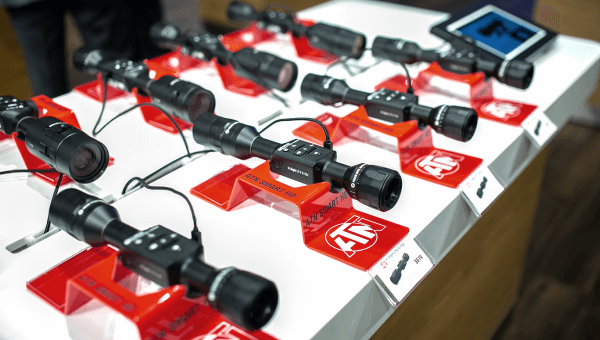
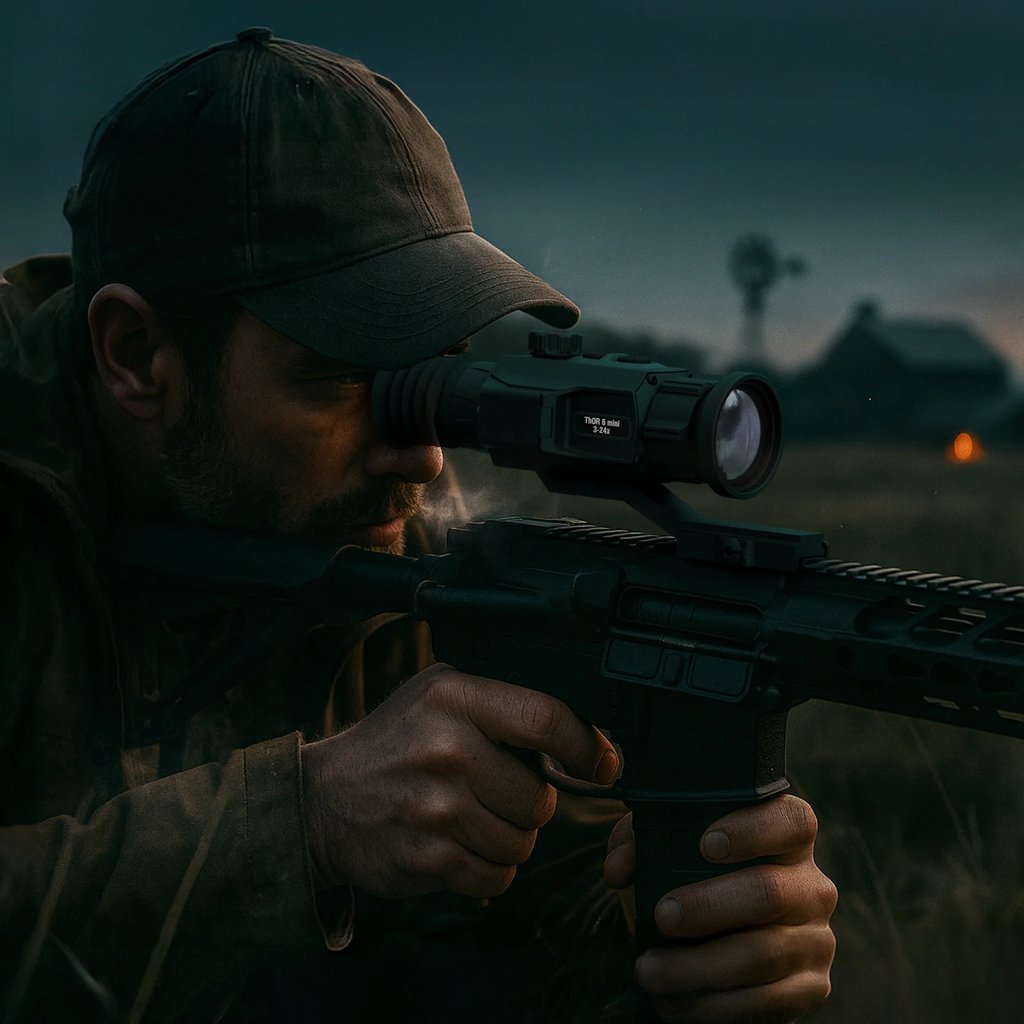
Strip away the marketing and a great thermal scope. comes down to a handful of features working together: a sharp sensor, high sensitivity, useful magnification, and real reach. Get those right and everything else follows. This roundup ranks the 6th-gen ATN ThOR 6 line by exactly those features, led by the ATN ThOR 6 640x512 3-24x, so you can see which model earns the title on the specs that matter rather than the ones that look good on a box. Every model below runs the same 6th-gen platform, so the differences you read here are the differences you will actually feel in the field, not artificial gaps between tiers.
A great thermal scope is decided by four features: sensor resolution, NETD sensitivity, magnification, and detection range. The ATN ThOR 6 640x512 3-24x leads all four with a 640x512 sensor, ≤15 mK sensitivity, 3-24x zoom, and 3650 m reach, backed by the 640 2-16x and the value 384. Judge on features, not marketing.
Quick answerBest overall: ATN ThOR 6 640x512 3-24x — leads on resolution, reach, and feature set, the benchmark for the line.
Best all-rounder: ATN ThOR 6 640x512 2-16x — the same 640 sensor with a wider view and hot-swap batteries.
Best value: ATN ThOR 6 384x288 2.5-20x — the full ThOR 6 feature set on a smaller sensor at the entry price.
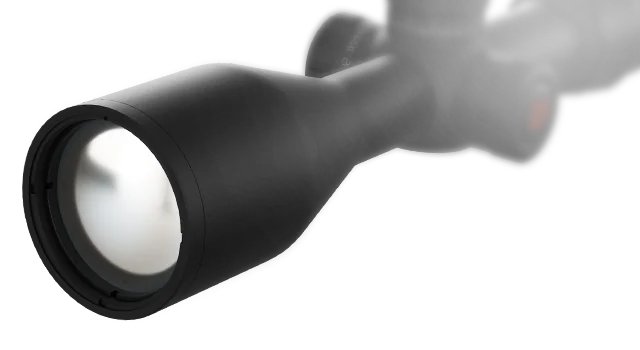
Why ATN's 6th-gen ThOR 6 defines the category
The ThOR 6 line defines the category because it gets the core features right on every model. Two specs carry the most weight. Resolution is the sensor's pixel count, and more pixels means finer detail, the same leap you see moving from standard definition to HD. NETD is sensitivity in millikelvin, and a low ≤15 mK reading means the scope separates two surfaces differing by less than a hundredth of a degree, so warm targets pop against cool backgrounds. Nail both and the picture is clean; miss either and no other feature saves it. What sets the 6th-gen apart is that it does not reserve its best sensitivity for the flagship — the ≤15 mK rating runs the whole family, so even the value model renders contrast the way the top scope does. On top of the raw sensor, the platform layers SharpIR AI image enhancement to hold detail through the zoom range, a high refresh rate that keeps a moving animal from smearing into a blur, and onboard tools like one-shot zeroing and recoil-activated video that turn a good sensor into a scope you can actually run in the dark. That combination — a strong sensor made stronger by the software and controls around it — is why the line reads as one coherent generation rather than a stack of unrelated products, and why the feature-first argument holds up model to model.
ATN ThOR 6 640x512 3-24x — best overall
The feature that leads: resolution
The 640x512 sensor is the reason this model tops the list. More pixels turn a distant heat smudge into a shape you can identify, and SharpIR AI enhancement keeps that detail sharp as you zoom, so the picture holds up where lesser scopes fall apart. The practical payoff is confidence at range: instead of guessing whether a warm blob is the animal you are after or a stray heat source, the sensor gives you enough edges and body shape to make the call before you ever touch the trigger. That extra resolution also means the digital zoom is drawing on a denser image to begin with, so pushing toward the top of the 3-24x range degrades the picture far less than it would on a coarser sensor. In a family where every model shares the same sensitivity and software, resolution is the single spec that most separates the flagship from the rest, and this model owns it.
Reach that backs the resolution
A 3650 m detection range and 3-24x zoom mean this scope sees far and confirms far. Detection range is how far a heat source first registers as a target, and pairing it with the sharpest sensor keeps spotting and identifying close together. A long detection number is only useful if the optic can then resolve what it found, and that is exactly where the 640 sensor and the top-end magnification work as a pair: you detect at distance, zoom in, and still have the pixels to identify rather than just to notice. It is the longest reach in the ThOR 6 family, which makes this the model to pick when the shots you plan for start at the edge of what other scopes can even see.
Onboard tools that keep you on target
Beyond the sensor, this model carries the full 6th-gen control set that makes long-range work repeatable: one-shot zeroing so you sight in without burning ammo, a Zeroing Freeze feature that locks the reticle position while you adjust, recoil-activated video to capture the moment automatically, and a smooth high refresh rate that keeps fast movement crisp. None of these change a spec on the table, but together they mean the resolution and reach above translate into hits rather than near-misses. For a shooter working at the far end of the range, the difference between a scope that merely sees far and one you can actually shoot far with is this layer of tools.
Who it is for: anyone who wants the most capable ThOR 6 with no compromises. Who it is not for: someone who prefers a wider base view for close scanning, where the 2-16x fits better. Full details on the ATN ThOR 6 640x512 3-24x page.
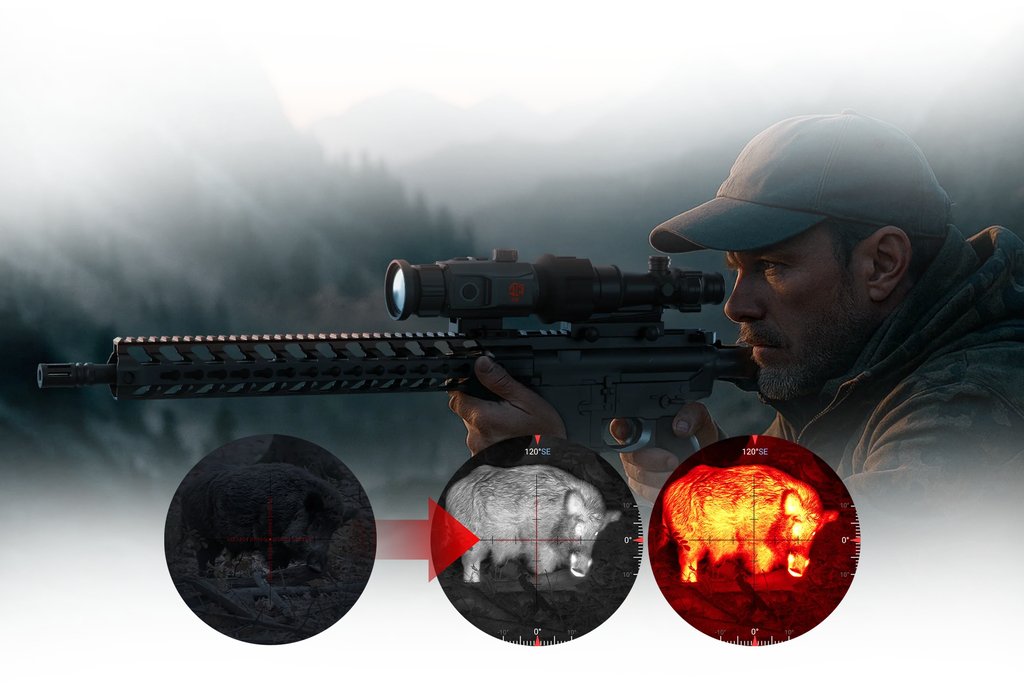
ATN ThOR 6 640x512 2-16x — best all-rounder
A wider view on the same sensor
This model keeps the 640x512 sensor but starts at 2x, giving the widest base field of view in the line. Field of view is how much you see at once, so scanning is quicker and finding heat comes easier before you zoom in. That wider base is more than a comfort feature: when an animal is moving or you are working thick cover, a broad view keeps the target inside the frame instead of forcing you to hunt for it through a narrow tube. Because the sensor is the same 640x512 as the flagship, you give up none of the resolution that matters for identification — you simply spend the low end of the zoom range on situational awareness rather than on maximum reach. For hunters who spend more time locating than engaging, that trade lands in their favour every night out.
Hot-swap batteries
The replaceable 18650 system lets you carry spares and swap in seconds, so a long session is not cut short by a dead pack. It is the feature that makes this the practical daily driver of the line. A scope with a sealed battery ties your night to a charge level, but a hot-swap design means a pocket of cells is all it takes to keep hunting until dawn. In cold weather, where battery capacity sags, the ability to rotate a fresh cell in without tools is the difference between staying out and packing up early.
The everyday balance point
What makes this the all-rounder is that no single spec is dialed to an extreme, so nothing gets in your way during a normal outing. The 3100 m detection range is still long enough for the vast majority of real shots, the 2-16x covers close scanning through mid-range engagement, and the shared sensor and sensitivity mean the image never feels like a step down from the flagship. If you are choosing one ThOR 6 to do a bit of everything — scanning, stalking, and shooting across mixed terrain — this is the model whose feature balance asks the fewest compromises of you.
Who it is for: the hunter who scans as much as shoots and wants easy power. Who it is not for: the long-range specialist who needs the 3-24x reach.
ATN ThOR 6 384x288 2.5-20x — best value
Every feature but the big sensor
The 384x288 model runs the same SharpIR, RAV, Zeroing Freeze, and six palettes as its siblings; only the sensor is smaller. For close and mid ranges you barely notice, and the price drops meaningfully. This is the part buyers often miss: the value model is not a stripped-down platform, it is the same 6th-gen brain paired with a smaller sensor. The ≤15 mK sensitivity is identical, so contrast and target separation are just as good — what you lose is pixel count, and that only starts to bite at longer distances where the finer detail of a 640 sensor pulls ahead. Inside the ranges most hunters actually shoot, the image is clean, responsive, and fully featured.
Right-sized reach
A 2300 m detection range covers the distances most hunters actually shoot. You trade some far-field detail for a lighter, cheaper scope with the full feature set intact. There is an honest logic to matching a scope's reach to your real environment rather than paying for range you will never use: if your longest realistic shot is well inside that 2300 m detection envelope, the extra pixels and reach of a 640 model buy you headroom, not results. This model is sized for the hunter whose terrain and quarry keep engagements at short to medium range.
Lighter to carry, easier to justify
At 1.74 lbs this is the lightest scope in the trio, and weight is a feature too on a long walk in or a lightweight rifle build. Paired with the lower entry price, it makes the ThOR 6 platform accessible to a shooter who wants genuine 6th-gen performance without stretching for the flagship. Nothing about the controls or image processing feels like an entry model — you are simply buying the right amount of sensor for the job, which is exactly how a value pick should read.
Who it is for: value buyers and mid-range hunters. Who it is not for: long-range shooters who need every pixel.
How to choose a great thermal scope
Rank the features in the order that decides performance:
- Resolution — a 640x512 sensor identifies; 384x288 spots well up close.
- NETD — ≤15 mK across the line means clean contrast on every model.
- Magnification and FOV — the 2-16x is wider up front; the 3-24x reaches farther.
- Detection range — 3650 m on the flagship is the longest in the family.
- Battery — hot-swap 18650 cells on the 2-16x keep long sessions alive.
- Refresh rate — a fast refresh keeps a running animal sharp instead of smeared, which matters as much as sensor size once targets start moving.
- Weight — the lighter 384 favours long walk-ins and lightweight builds, while the 640 models trade a little heft for peak reach.
How we picked these ATN thermal scopes
We compared only the current 6th-generation ThOR 6 line and ranked it by the features that actually decide a thermal scope: sensor resolution, NETD sensitivity, magnification and field of view, detection range, refresh rate, weight, and battery. The honest trade-off is that the smaller-sensor model gives up long-range detail no feature list can restore, so we say where it stops rather than paper over it. This is an in-house comparison of ATN's own range, not an independent lab review. Weigh these features against the ranges and targets you actually hunt before you decide.
Frequently Asked Questions
What features make a great thermal scope?
Four decide it: sensor resolution for detail, NETD sensitivity for contrast, magnification for framing, and detection range for reach. The ATN ThOR 6 640x512 3-24x leads all four, which is why it tops this feature-first roundup. Everything else — palettes, mounting, menus — is comfort around those four core specs, so start there and judge the extras second.
Which ATN ThOR 6 is the best overall?
The ATN ThOR 6 640x512 3-24x. It combines the highest-resolution sensor, ≤15 mK sensitivity, 3-24x zoom, and the longest 3650 m detection range, making it the benchmark the rest of the line is measured against. On top of that it carries the full 6th-gen control set — one-shot zeroing, Zeroing Freeze, and recoil-activated video — so the specs turn into repeatable hits in the field.
What does the 640x512 sensor actually improve?
Detail, especially at distance. More pixels means a far heat signature resolves into an identifiable shape rather than a blur, the same jump you see going from standard definition to HD. It is the single biggest driver of image quality and the main thing separating the flagship from the value model. It also gives the digital zoom a denser image to draw on, so pushing to high magnification degrades the picture far less.
Is the 2-16x model a downgrade from the 3-24x?
No, it is a different balance. It shares the same 640 sensor but starts wider at 2x for faster scanning and adds hot-swap batteries. You trade some maximum reach for a wider view and easier field power. For a hunter who scans as much as shoots, that balance is often the better everyday choice rather than a compromise.
When is the 384 model the right choice?
When your ranges are short to medium and value matters. It carries the full ThOR 6 feature set with a 2300 m detection range for less money and in a lighter body. Step up to a 640 sensor only if you regularly need fine detail far out. The sensitivity is identical to its siblings, so up close you get the same clean contrast, just with fewer pixels of reach.
Why does NETD matter as much as resolution?
Resolution sets how much detail the image can hold, but NETD sets how well the sensor separates a target from its background. A ≤15 mK rating means high contrast, so even a detailed sensor needs low NETD to render warm targets cleanly. Think of it this way: resolution draws the picture and NETD lights it, and a great thermal scope needs both working together to make a warm animal stand out against a cool field.
Does refresh rate really affect a thermal scope's usefulness?
Yes, more than most buyers expect. A high refresh rate keeps a moving animal crisp instead of smearing it into a ghost, which is exactly when you need clarity most. On a static target you may never notice, but the moment your quarry runs, the refresh rate is what decides whether you can still read the shape. Every ThOR 6 model in this roundup carries a smooth, high refresh rate for that reason.
A great thermal scope is the sum of its core features, and the ATN ThOR 6 640x512 3-24x leads on every one, resolution, sensitivity, magnification, and reach. Want to weigh a wider view or a lower price against the flagship? Compare the whole family on the ATN thermal scope page and match the features to the ranges and targets you actually hunt.
Created: August 5, 2026 · 19:53:45 UTC