Pest control with an air rifle is really three separate jobs wearing one coat. Clearing rats out of a tight backyard is nothing like picking vermin off the rafters of a dark barn, and neither is much like reaching out to a squirrel or rabbit at the far end of a paddock. Buy a thermal pellet gun scope for the wrong job and you will fight it every night. The smarter move is to name the pest work you actually do, then let that decide which ATN ThOR 6 rides your airgun.
Best for reach: ATN ThOR 6 640x512 3-24x — the flagship, when your small-game work stretches to the far edges.
Value pick: ATN ThOR 6 384x288 2.5-20x — a lighter, budget-tier entry that still handles mid-range vermin with the full 6th-gen toolkit.
Why ATN's 6th-generation thermal scopes lead our list
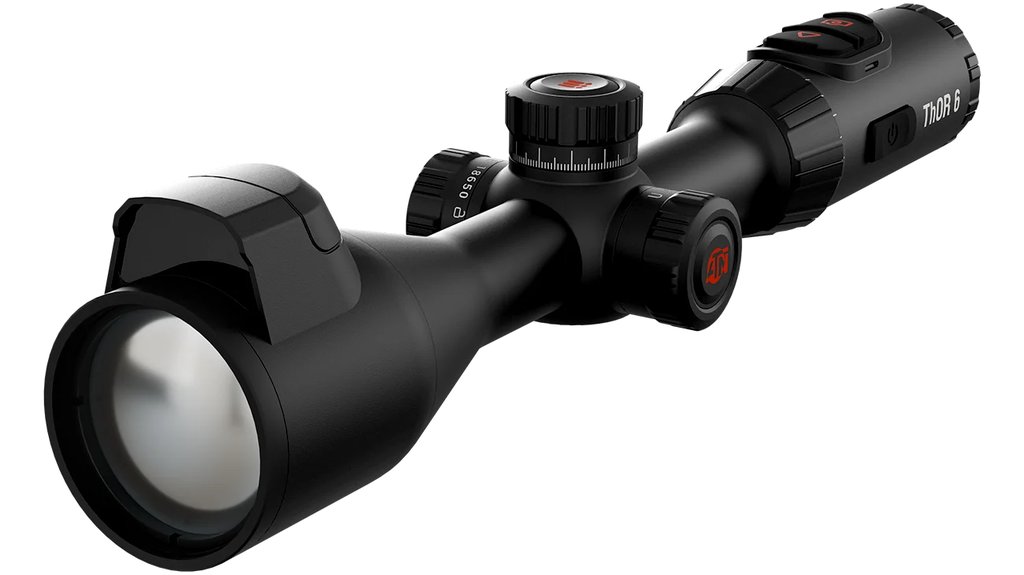
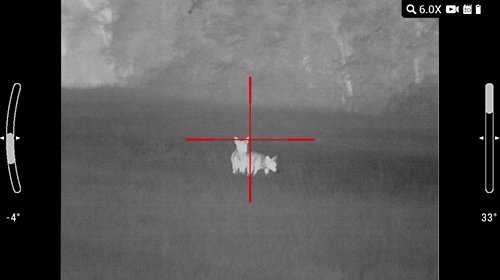
We built this roundup entirely from ATN's current 6th-generation ThOR family, because the shared toolset is exactly what makes these scopes work across such different pest jobs. Each model runs SharpIR AI enhancement to sharpen a soft heat signature, Recoil Activated Video so every shot documents itself, Zeroing Freeze to take the frustration out of sighting-in on an air rifle, and Picture-in-Picture with Hot Point Tracking so a moving pest stays marked whether it is a rat on a beam or a rabbit at range. A Full-HD OLED display, Wi-Fi with ATN Connect 6, and an IP67-rated body round out every one of them. What separates the three is how their sensor grade, lens, and zoom range suit the specific job you point them at.
ATN ThOR 6 640x512 2-16x — the do-it-all pest job scope
Why versatility makes it our top pick
The ATN ThOR 6 640x512 2-16x tops this list because it refuses to be pigeonholed into one pest job. Its 2x zoom floor on a 35 mm lens throws a wide picture up close, so when a rat appears three metres away against a backyard fence you get it in frame instantly. Yet the sensor is the sharp 640x512 grade — think of it as stepping from standard definition to HD when you zoom in — so you can also stretch out and place a clean pellet on a squirrel across a paddock. Its <=15 mK NETD rating, where a lower number means a cleaner picture in damp, foggy air, keeps that image honest on the sort of dew-heavy nights vermin favour. The replaceable 18650 battery system means a spare cell keeps you running.
Who it is for — and who it is not
This one is for the airgunner whose pest control jumps between settings on a given week — a bit of backyard rat work, a barn to clear, the odd longer shot at small game. It is the natural default. It is not the pick for someone whose entire workload is long-range small game across big open ground; that shooter should reach for the flagship's extra magnification. At 830 g (1.83 lbs) it is not the lightest option either.
ATN ThOR 6 640x512 3-24x — best for reaching out
When the pest job stretches to the far edge
Some vermin work is all about distance — a rabbit warren at the end of a long paddock, squirrels at the top of a tall boundary tree. The flagship 3-24x carries the same 640x512 sensor and <=15 mK sensitivity as our top pick but pairs them with a 50 mm lens and a higher zoom ceiling, plus the longest detection reach of the three. That extra magnification headroom is what lets you hold steady on a small target at the outer honest range of an air rifle and make it count. A 50 Hz refresh rate keeps a moving pest smooth instead of smearing into a blur as it shifts.
Who it is for — and who it is not
Reach for the flagship if the bulk of your pest jobs are at the far end of your range and you want every scrap of magnification and detection distance. It is the flagship tier, so it is not the sensible buy for close backyard or barn work where its narrower low-end field of view actually slows you down finding near targets. Pay for reach only if your jobs demand it.
ATN ThOR 6 384x288 2.5-20x — the value pest scope
Full features, lighter on the wallet and the rifle
For the barn-and-backyard shooter who wants the 6th-gen toolkit without stretching the budget, the 384x288 model is the value pick. Its sensor sits a rung below the 640 pair, so the picture softens a little at hard zoom, but it still delivers SharpIR, Recoil Activated Video, six colour palettes, and the same <=15 mK sensitivity. It is also the lightest here at 790 g (1.74 lbs), which your arms appreciate during a long stint hunting rafters in an outbuilding. For mid-range vermin it does honest work.
Who it is for — and who it is not
This suits the budget-tier buyer or the newer airgunner whose jobs stay close to mid range and who does not need the crispest possible long-zoom image. It is not the tool for reaching out on small game at distance, where the 640 sensors and longer detection reach pull clearly ahead. If your pest work keeps growing in range, you will outgrow it.
How to choose the right scope for your pest job
Start with the job, not the spec sheet. Name where and what you shoot most, then let these points steer you:
- Backyard rats, close and quick — a wide low-end zoom like the 2-16x model's 2x floor gets near targets in frame fast, which matters more than raw reach in a tight space.
- Barn and outbuilding vermin — you are working in the dark against warm structure, so a sharp 640x512 sensor and a light body help you tell a rat from clutter without arm fatigue.
- Small game at range — reach and magnification decide the outcome here; the flagship 3-24x with its longer detection distance is the honest choice.
- Damp, dewy nights — the <=15 mK NETD rating keeps the picture clean in foggy air, where a lower number means less smear and clearer targets.
- Long sessions — around 9 hours of runtime covers a full night, and the 2-16x model's replaceable 18650 cells let you swap in fresh power without packing up.
Matching the scope to the pest, night by night
Think about how one shooter's week actually plays out. Monday it is rats behind the garden shed, close in the dark, and the wide 2x view finds them before they slip under the decking. Wednesday it is a farmer's grain barn, warm timber everywhere, and the sharp sensor separates a rat on a beam from the heat-soaked wood behind it. Saturday it is rabbits at the far paddock hedge, where a little more zoom would not hurt — and if that far work becomes your norm, that is the signal to step up in price to the flagship. Name your most common job, then buy for it.
How we picked these ATN thermal scopes
Full disclosure: what follows is our own comparison of ATN's 6th-generation ThOR range, not an independent lab test — we make these optics, so read it as an honest ranking of our own shelf rather than a neutral verdict. We sorted the three by how well they fit real airgun pest jobs, weighing sensor resolution and NETD for picture clarity against barn clutter and dewy air, detection range and magnification for small game at distance, refresh rate for tracking a bolting rat, and weight and battery for long sessions on a light rifle. The honest trade-offs: the 2-16x is the most adaptable but not the longest-reaching; the flagship reaches furthest but is priced and weighted for it; the 384 saves money and grams while giving up some sharpness. Line the specs up against the pest work you truly do most, and let that pick for you.
Frequently Asked Questions
Is a thermal scope overkill for backyard pest control?
Not if you shoot at night. Rats and other vermin are most active after dark, and a thermal scope like the ATN ThOR 6 lets you spot their heat signature instantly instead of fumbling with a lamp that spooks them. For close backyard work, the 2-16x model's wide low-end zoom makes finding near targets quick and easy.
Which ThOR 6 is best for shooting vermin in a barn?
A barn is dark and full of warm structure, so image sharpness matters more than reach. The 640x512 models — especially the versatile 2-16x — separate a rat on a beam from the heat-soaked timber behind it. The lighter 384x288 value pick is also a comfortable choice for long sessions swinging the rifle up at rafters.
Can these scopes handle small game at longer range?
Yes, within an air rifle's honest limits. The flagship 3-24x is built for it, pairing the 640x512 sensor with the longest detection reach and the most magnification. The 2-16x can stretch out too thanks to its sharp sensor, though for consistently distant small game the flagship's extra reach is the safer bet.
Does resolution really matter for pellet-gun pest control?
It matters most when you zoom in or shoot at range. A 640x512 sensor gives a noticeably sharper picture than 384x288, which helps you identify and place a precise pellet on a small pest. For close backyard and barn jobs, the 384x288 value pick is still perfectly capable and lets you into 6th-gen thermal for less.
How long can I run one of these on a single charge?
All three ThOR 6 models here deliver around 9 hours from their two-cell 18650 battery system, enough for a full night of pest control. The 2-16x model uses a replaceable 18650 setup, so keeping charged spares on hand lets you swap cells and stay out even longer without cutting the job short.
Which one should I buy if I do a bit of everything?
The 2-16x model is the pick for a mixed workload. Its wide 2x low end handles close backyard and barn targets, while the crisp 640x512 sensor still lets you reach out for small game at range. It is the most versatile of the three, which is why it tops our list for the typical all-round airgun pest controller.
Sort your pest jobs, then match the scope. The ATN ThOR 6 640x512 2-16x is our versatile top pick, and you can line it up against the whole family on our thermal scopes page to find the one that fits the vermin work you do most.
Created: August 5, 2026 · 19:53:45 UTC