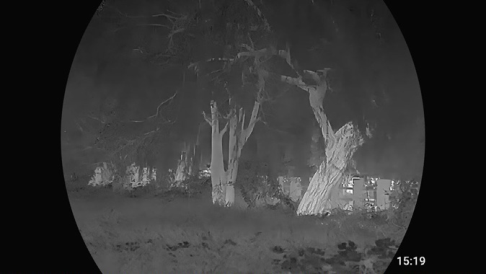
Here is something most spec sheets skip: the calendar changes what your thermal picture looks like. On a hard, frozen January night, an animal glows against ground that has dumped every bit of its heat — the contrast is enormous and almost any sensor looks good. Come a muggy August evening, that same field is still radiating warmth long after dark, the humid air smears heat around, and the temperature gap between a deer and its background shrinks to almost nothing. A thermal image rifle scope that dazzles in winter can leave you squinting at a washed-out grey soup in summer. So instead of ranking these ATN scopes by raw numbers, this roundup walks through the seasons and shows which features actually keep the image readable when the weather works against you.
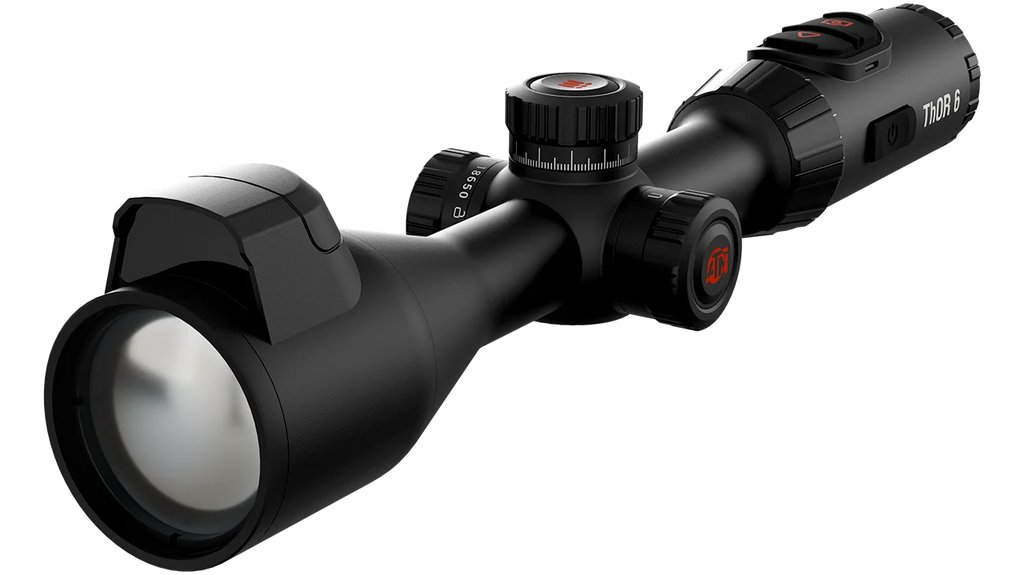
Short answer: For an image that holds up year-round, the ATN ThOR 6 640x512 2-16x is our top pick — its high-resolution sensor and <=15 mK NETD keep contrast usable through muggy summer haze, while the same tech shines in high-contrast winter cold. The 3-24x flagship adds reach and the 384 model brings the value tier.
Quick answer: top ATN picksBest overall, all seasons: ATN ThOR 6 640x512 2-16x — high-res sensor and low NETD that cope with summer's thin contrast and winter's sharp contrast alike.
Best for long-range cold-weather work: ATN ThOR 6 640x512 3-24x — flagship reach for open winter fields.
Best value across the year: ATN ThOR 6 384x288 2.5-20x — full image tech and six palettes at the value tier.
Why ATN's 6th-generation thermal scopes lead our list
It helps to understand why the seasons matter this much before we get to the scopes. A thermal image is built entirely from temperature differences — the scope does not see color or light, it sees the gap between how hot an animal is and how hot everything around it is. In deep winter that gap is huge: the ground has radiated its heat into a clear sky, so a warm-bodied animal blazes against a cold canvas and the picture almost draws itself. In high summer the ground, the brush and the standing water are all still warm hours after sunset, so that gap collapses and the scene turns into a low-contrast wash where an animal barely separates from its surroundings. Spring and fall sit somewhere between, shifting night to night with the weather. A scope that only performs when the contrast gap is wide will flatter you in January and betray you in July — which is exactly why we judged this line by its behavior in the hard season, not the easy one.
What earns these scopes a spot is that the features which fight seasonal conditions are built into the whole line, not locked behind the top model. The <=15 mK NETD rating is the star player when summer haze flattens contrast, and SharpIR — ATN's AI image enhancement — pulls edges and detail back out of a low-contrast frame so an animal does not dissolve into its warm background. Six-of-one convenience features carry across the seasons too: Recoil Activated Video saves the shot, Zeroing Freeze holds your reticle steady while you dial, Picture-in-Picture keeps a wide view alongside your zoom, and Hot Point Tracking flags the warmest object even when the whole scene is warm. Built-in Wi-Fi with ATN Connect 6 streams the live picture to your phone, every model uses a Full-HD OLED display, and the IP67 seal shrugs off the rain and snow that come with hunting through the calendar. Browse the range on the thermal scopes page.
ATN ThOR 6 640x512 2-16x — the year-round pick
The ATN ThOR 6 640x512 2-16x earns the top spot because it handles the hardest season well: high summer, when contrast is thin. Its 640x512 sensor gives it more pixels to describe a low-contrast target, and the <=15 mK NETD lets it register the small heat gap between a warm-blooded animal and a field that never fully cooled. The 2-16x zoom range starts wide, which suits summer's shorter, brushier sight lines, and detection still reaches 3100 m for the open shots. When winter flips the conditions and contrast goes sky-high, the same sensor simply delivers an even crisper picture. It is the scope that does not care what month it is.
Think of it as the scope you buy when you refuse to own one rig for summer and another for winter. The reason it works both ways comes down to headroom: a sensor and NETD good enough to claw a readable image out of July's worst conditions has capability to spare when January hands it an easy, high-contrast scene. You never notice the picture degrade with the calendar — you just aim and shoot the same way in every month, which is worth a great deal when your hunting season stretches across seasons. The 640x512 resolution is the same jump from standard definition to HD you get on the flagship when you zoom, so even at the 2-16x range's top end the picture stays honest and detailed. For a hunter who chases hogs in the summer heat and predators in the winter cold on the same property, this is the single scope that covers the whole year without asking you to compromise on the hard nights.
How it handles a muggy summer night
Summer is where cheap thermal falls apart. The ground holds heat, the air is thick, and everything reads as one warm mass. This is exactly where the low NETD and SharpIR earn their keep — the sensor resolves the faint contrast that is left, and the AI enhancement sharpens the edge between animal and background so a hog does not melt into the field. The replaceable 18650 battery system helps on long, sticky nights too: when a cell fades you swap in a fresh one and keep the image live rather than packing it in early.
The high-resolution sensor pulls double duty in summer. Because it has more pixels describing the frame, there is simply more information for SharpIR to work with when contrast is thin, so the AI enhancement has a better chance of teasing an animal's outline out of a warm background than it would on a sparser sensor. Summer sight lines also tend to be shorter and brushier as vegetation fills in, and the 2-16x zoom range starting wide suits that perfectly — you can scan a leafy field edge at low power and only zoom when you have found something worth studying. Picture-in-Picture lets you keep that wide view while a magnified window confirms the target, so you are never trading awareness for detail. It is the kind of quiet capability you only appreciate on the muggy nights when a lesser scope would leave you guessing.
Who it is for — and who it is not
This is the scope for the hunter who is out in every season and does not want to own two optics — someone who needs a picture that copes with August haze as gracefully as it does with a January freeze. It is not the pick if your hunting is exclusively long-range open-country work; for that the flagship's extra zoom and reach pull ahead. But for genuine all-year, all-around use, this is the one.
ATN ThOR 6 640x512 3-24x — for cold, open, long-range nights
When the leaves are down and the fields are frozen, sight lines open up and contrast is at its best — and that is the season the ATN ThOR 6 640x512 3-24x was made for. Its 3-24x zoom range and 3650 m detection let you reach the far side of a winter field and still resolve detail, because the 640x512 sensor keeps pixels on a distant target the way stepping up to HD keeps detail when you push in. Cold-weather contrast makes an already-sharp sensor look spectacular at range, so this is the flagship's element.
How it handles a frozen winter field
With ground that has surrendered its heat, a coyote or hog stands out like a lamp, and the flagship's resolution and reach let you identify and range it far out. The 50 Hz refresh rate keeps a trotting predator smooth instead of smearing into a blur as it crosses the open, and the low NETD ensures the picture stays clean even on the damp, snow-laden nights when contrast dips. It is the most capable long-range image in the family.
Winter also rewards the flagship's 50 mm lens and top-end magnification in a way summer never does. When you can see three hundred yards across a stubble field, you actually have room to use 24x, and the 640x512 sensor keeps that zoomed image detailed enough to tell a coyote from a farm dog before you ever touch the trigger — the pixels are there to hold the picture together where a smaller sensor would fall apart. Detection out to 3650 m means you spot heat signatures long before they close, giving you time to plan the shot. Hot Point Tracking is a small joy in this setting: on a cold night when a distant animal is the only warm thing for a hundred yards, the scope pulls your eye straight to it. Add Recoil Activated Video to log the shot and Zeroing Freeze for painless sighting, and the flagship becomes a purpose-built tool for the long, clear, frozen nights that define winter predator work.
Who it is for — and who it is not
Choose the 3-24x if your season is winter open country and long shots — it gives you the most reach and detail of any scope here. It is the flagship tier and the heaviest at 830 g, so if you mostly hunt tight summer cover at short range, that extra zoom and reach sit idle and the year-round 2-16x is the smarter fit.
ATN ThOR 6 384x288 2.5-20x — value pick for every season
The ATN ThOR 6 384x288 2.5-20x brings the seasonal toolkit to the value tier. Its 384x288 sensor gives up some fine detail at the extremes compared with the 640 models, but it runs the same <=15 mK NETD and SharpIR, so it still fights summer's thin contrast honestly. The six color palettes are a real seasonal asset — swapping between white-hot, black-hot and colorized views helps you pull an animal off a warm summer background or a snowy winter one. Detection reaches 2300 m and at 790 g it is the lightest scope to carry through a long season.
How the palettes help through the year
In summer, a colorized palette can separate a warm animal from a warm field better than a plain grayscale view; in winter, black-hot often reads cleanest against snow. Having six palettes to choose from means you can tune the image to whatever the season throws at you, and SharpIR keeps that image sharp on the mid-range shots this scope is built for. It is a lot of seasonal capability for the value tier.
The lightness pays off across a full season of hunting. At 790 g this is the easiest scope here to carry on a long walk to a fall stand or a spring stalk through wet grass, and the fatigue you save adds up over months of nights. The 2.5-20x zoom range covers the ranges most mid-distance hunting actually happens at, and the 25 mm lens keeps the whole rig compact and quick to swing. Everything else in the 6th-generation kit rides along — Recoil Activated Video, Zeroing Freeze, Picture-in-Picture, Hot Point Tracking, built-in Wi-Fi with ATN Connect 6 and the Full-HD OLED display, all behind the same IP67 seal that keeps out the rain, snow and dew that come with hunting through every season. You are giving up some fine detail on the hardest low-contrast targets, not a feature list.
Who it is for — and who it is not
This suits the hunter who wants a scope that works all year at mid range without stepping up in price to the 640 models. It is not the choice if you demand maximum detail on a distant summer target where contrast is already thin — the higher-resolution sensors handle that better — but for value across the seasons it holds its own.
How to choose a thermal image rifle scope for your seasons
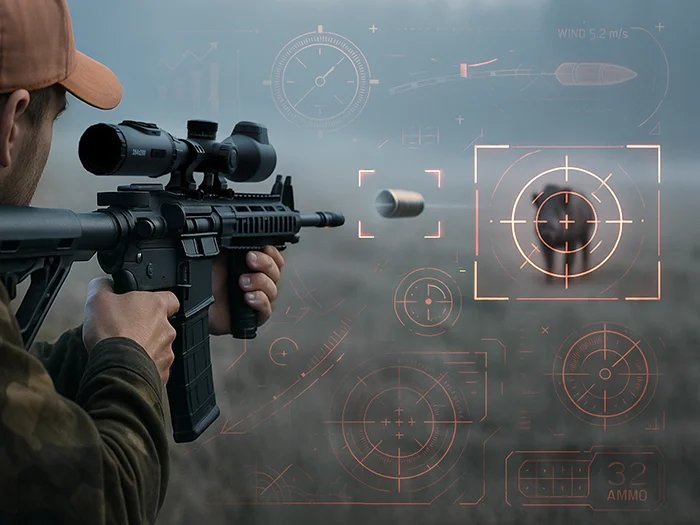
Match the scope to the hardest conditions you actually hunt in, not the easiest. If your season includes muggy, low-contrast nights, lean on the features that rescue a thin image; if it is mostly cold and open, prioritize reach. Weigh these:
- NETD — an <=15 mK NETD rating; the lower the number, the cleaner the picture in damp, foggy air, which is exactly the summer problem to solve.
- Sensor resolution — more pixels describe a low-contrast summer target better and hold detail at range; 640x512 is like stepping from standard definition to HD when you zoom.
- SharpIR processing — the AI enhancement pulls edges and detail back out of a washed-out warm-on-warm frame.
- Refresh rate — a 50 Hz refresh rate keeps a moving animal smooth instead of smearing into a blur, in any season.
- Palettes and weight — multiple color palettes help you tune the image to snow or summer haze, and a lighter scope with replaceable batteries carries better through long seasonal outings.
What the image looks like as the seasons turn
Run the same field through the calendar. In January, a hog at the far edge is a bright figure against black-cold ground — you identify it instantly, range it, and the flagship's reach does the rest. Come July, that field is still warm at midnight, the hog barely separates from the grass, and you are relying on the low NETD to find the faint contrast and SharpIR to sharpen the edge so you can confirm it is a hog and not a deer before you commit. Same field, same animal, two completely different images — and a scope that handles both is the one worth owning.
The shoulder seasons deserve a mention because they are the sneakiest. A crisp fall night after a cold front can look almost like winter, with strong contrast and long, open sight lines through bare timber. But an unusually warm autumn evening, or a spring night after a mild day, can flip right back to summer's thin, washed-out picture with no warning. That variability is the real argument for buying more sensor and lower NETD than your easiest night demands — the extra capability is insurance against the nights the weather does not cooperate. Whichever of these three scopes fits your budget and your typical range, the through-line is the same: choose for your worst-case season, tune the palette to the conditions in front of you, and let SharpIR and the low NETD do the quiet work of keeping the image readable when the calendar turns against you.
How we picked these ATN thermal scopes
Being straight with you: this is our own comparison of ATN's 6th-generation scopes, not an independent lab review, so use it to decide which ATN model fits your seasons rather than as a neutral verdict. Since the whole theme is how the image behaves across the calendar, we leaned hardest on NETD and SharpIR — the features that decide whether a low-contrast summer frame stays readable — then on sensor resolution and detection range for cold open-country reach, then refresh rate, palettes, weight and battery. The honest trade-offs: the flagship rewards long cold-weather shots but is heavier and steps up in price, the 2-16x is the best all-season all-rounder, and the 384 gives up some fine detail on thin-contrast targets in exchange for the value tier. Who these are NOT for: someone who hunts only easy high-contrast winter nights at short range would not need the sensor headroom these carry. Weigh the specs against your own worst-case season before deciding.
Frequently Asked Questions
Why does my thermal image look worse in summer?
In warm, humid weather the ground and vegetation stay hot well after dark, so the temperature gap between an animal and its background shrinks and the whole scene reads as one warm mass. A low NETD rating and strong image processing like SharpIR are what keep faint summer contrast readable, which is why they matter more in July than in January.
Which spec matters most for low-contrast conditions?
NETD. It measures the smallest temperature difference the sensor can resolve, and a lower number means it can still separate a warm animal from a barely-cooler summer field. All three ATN scopes here carry an <=15 mK rating, which is what lets them hold a usable image when contrast is thin.
Is a high-resolution sensor still worth it in winter?
Yes. Winter's high contrast makes almost any scope look good up close, but a 640x512 sensor lets you reach across an open frozen field and still resolve enough detail to identify and shoot — like the jump from standard definition to HD when you zoom. The extra pixels pay off most at the long ranges cold open country makes possible.
Do color palettes actually help across seasons?
They can. A colorized palette often separates a warm animal from a warm summer background better than plain grayscale, while black-hot tends to read cleanest against snow. The ThOR 6 384 model offers six palettes, so you can tune the picture to whatever the season and terrain present.
Will one scope really work for all seasons?
A scope with a high-resolution sensor and a low NETD, like the ThOR 6 640x512 2-16x, handles both the thin contrast of summer and the sharp contrast of winter, so most hunters can run it year-round. If your season is heavily long-range and cold, the higher-magnification flagship adds reach, but the 2-16x is the strongest single all-season pick.
How does refresh rate affect what I see on moving game?
A 50 Hz refresh rate keeps a walking or running animal smooth instead of smearing it into a blur, and that holds true in any season. Whether a coyote is crossing a frozen field or a hog is trotting through summer cover, the steady refresh makes it far easier to track and confidently identify.
How long does the battery last on a long seasonal hunt?
All three scopes run about nine hours on two 18650 cells, enough for most single nights. Because the cells are replaceable, you can carry spares and swap them out to keep the image live through the longest outings, which matters when short winter days push your hunting deep into the night.
Want a thermal picture that reads clean no matter the month? The ATN ThOR 6 640x512 2-16x is our all-season top pick, and you can line it up against the rest of the family on the thermal scopes page to match a scope to your seasons.
Created: August 5, 2026 · 19:53:44 UTC