A thermal heat scope isn't really bought for its spec sheet — it's bought for a job. The coyote coming into a call at 2 a.m. is a different problem than a sounder of hogs tearing up a food plot, and neither looks like a rat run of night pests around the barn. So rather than list features and hope you sort out which matter, I want to walk through the actual work these scopes do. The one I reach for first is the ATN ThOR 6 640x512 3-24x, because across every one of those jobs it puts a clean, honest heat signature on the glass.
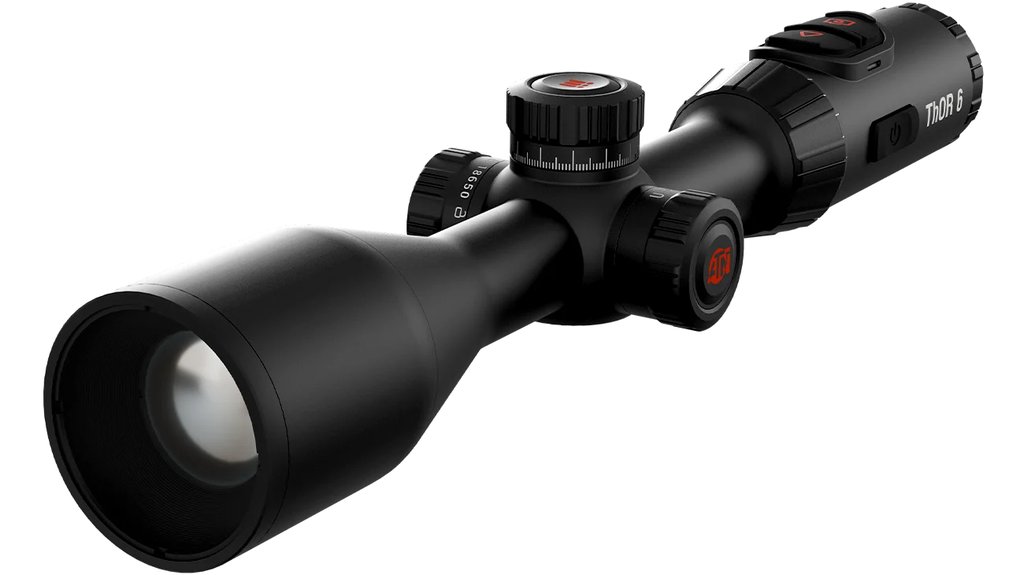
Short version: the ATN ThOR 6 640x512 3-24x is the best thermal heat scope of this group because its high-resolution sensor and long reach let it handle predator control, hog eradication and night pest work with one clean picture. The 640 2-16x suits fast, closer calling, and the 384 2.5-20x brings the same 6th-gen brain at a value tier.
Quick answerBest overall: ATN ThOR 6 640x512 3-24x — the sharpest heat signature and the longest reach, covers predator, hog and varmint duty in one scope.
Best for fast calling: ATN ThOR 6 640x512 2-16x — same 640 sensor, a wider base view for coyotes that commit in close.
Best value: ATN ThOR 6 384x288 2.5-20x — the lightest here and a friendlier tier that still runs the full 6th-gen feature set.
Why ATN's 6th-gen thermal heat scopes earn their keep on the job
What separates a good heat scope from a frustrating one is how faithfully it turns body heat into a picture you can act on. ATN's 6th-gen ThOR line is built around that. Every scope here carries a NETD rated at 15 mK or lower — NETD is the smallest temperature difference the sensor can resolve, and the smaller that figure, the more a warm coyote separates from cooler grass instead of blending in. SharpIR AI then sharpens the heat signature in real time, and a Full-HD OLED display shows it back to you without mush. A 50Hz-class refresh keeps a trotting predator smooth rather than smeared, which is exactly what you need when the shot window is a few seconds long.
ATN ThOR 6 640x512 3-24x — best overall thermal heat scope
This is the scope I trust when I don't know what the night will throw at me. The ATN ThOR 6 640x512 3-24x mates the full 640x512 sensor to a 50mm F/1.0 lens, and that pairing reads heat far out and holds its shape when you dial up. Think of resolution like the number of dots in a picture: a 640x512 sensor has far more dots than a 384, so a distant hog stays a recognizable hog instead of a blurry warm blob you have to second-guess before you press the trigger.
Predator control at range
For calling coyotes on open ground, reach is everything. A 3650 m detection range plus 3-24x optical zoom backed by 8x digital zoom means you can pick up heat well before it reaches the call, then magnify to confirm ears and gait before committing. Hot Point Tracking flags the hottest object in frame, so your eye snaps to an incoming predator instead of hunting the whole field for it.
Hog eradication and worked-up sounders
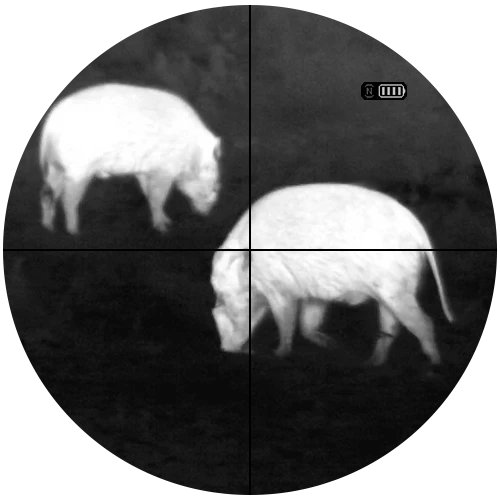
When a sounder is churning up a field, you need to sort boars from sows and pigs fast. The 640 sensor's fine detail plus SharpIR AI keep individual animals distinct even when they're packed together and moving. Recoil Activated Video (RAV) records the whole event hands-free, so a follow-up on the same group is easier to plan and review afterward.
Who it's for / not for
It's for the hunter who runs predator, hog and pest work across the year and wants one heat scope that never leaves them guessing. It's not for someone who only shoots close pests around a yard — they're paying for reach they'll never stretch, and the 2-16x or the 384 below fit that job for less.
ATN ThOR 6 640x512 2-16x — best for fast in-close calling
Same 640x512 sensor and the same clean heat signature, but the ATN ThOR 6 640x512 2-16x trades a little top-end reach for a wider base field of view off a 35mm lens. When a coyote commits and closes the last hundred yards in a hurry, that 2x starting magnification keeps the whole animal and its approach in the frame so you're not fighting a tunnel of view.
Why a wider base view helps on committing predators
A broad picture up close means you can track a running dog without losing it off the edge of the frame, then squeeze up only as much as the shot needs. The 640 sensor still delivers the detail to confirm the animal, and a 3100 m detection range is well past any calling distance you'll actually shoot. The replaceable 18650 setup keeps you running through a long night of stand-hopping.
Who it's for / not for
For predator callers who work close and value a fast, wide picture over maximum magnification. Not for the shooter reaching across a big ag section for hogs at distance — the 3-24x lead owns that range.
ATN ThOR 6 384x288 2.5-20x — best value thermal heat scope
The ATN ThOR 6 384x288 2.5-20x drops to a 384x288 sensor to land at a friendlier tier, and at 790 g it's the lightest of the three. Fewer pixels than the 640 means a touch less fine detail at the far edge of the night, but for barnyard pest control and mid-range work the heat signature is still crisp and easy to read.
Night pest and varmint work close to home
For rats, raccoons and other pests around outbuildings, the ranges are short and the value tier makes sense. You still get SharpIR AI, the low NETD, the smooth refresh, and six color palettes so you can flip between white-hot, black-hot and iron to suit the background clutter. A 2300 m detection range is far more than a barnyard job asks of it.
Who it's for / not for
For the hunter who wants a real 6th-gen heat scope without the flagship spend and does most work inside a couple hundred yards. Not for the long-range predator specialist who needs the 640's extra detail out past the call.
How to choose your thermal heat scope by the job
Pick by the work you do most, then let range and detail follow. The harder and farther the job, the more sensor you want behind the glass.
- Predator control — prioritize detection range and resolution so you spot and confirm coyotes before they reach the call; the 640 3-24x leads.
- Hog eradication — favor fine detail and RAV to sort a moving sounder and record the event; again the 640 3-24x.
- Fast in-close calling — a wider base field of view beats reach; the 640 2-16x keeps committing predators in frame.
- Night pest work — short ranges make the value tier smart; the 384 2.5-20x covers barnyard duty.
- Long nights — all three run ~9 hours on 2x swappable 18650 cells so you don't go dark mid-stand.
How we picked these ATN thermal scopes
This is an in-house comparison of ATN's own current lineup, not an independent lab test. We looked only at the 6th-gen ThOR line and judged each scope against a simple question: does it do the actual job — predator, hog or pest — cleanly and repeatably?
- Sensor resolution — more dots means finer detail and surer identification at distance, so the 640 models lead for predator and hog work.
- NETD (thermal sensitivity) — all rated ≤15 mK, the smallest temperature difference the sensor sees, for a heat signature that stands out from cluttered ground.
- Detection range — the farthest you can pick up heat, weighed against how far the job actually reaches.
- Refresh rate — a 50Hz-class refresh keeps a trotting predator smooth instead of smeared during the shot window.
- Weight and battery — carry comfort for stand-hopping and ~9 hrs on swappable cells for real all-nighters.
Honest trade-offs: the 640 3-24x is the sharpest and longest-reaching but sits at the flagship tier, and its reach is wasted on a pure yard-pest shooter. The 384 gives up some far-edge detail. None of these is the pick for someone who wants a plain daytime day scope — these are thermal tools for the dark. Check the specs against the jobs you actually run before you buy.
Frequently Asked Questions
What is a thermal heat scope actually detecting?
It reads the infrared heat every object gives off and turns those temperature differences into a picture, so a warm animal glows against cooler ground even in total darkness. It needs no visible light at all. ATN's 6th-gen ThOR scopes pair a sensitive sensor with SharpIR AI to make that heat signature clean and readable.
Which ATN ThOR 6 is best for coyote and predator control?
The ATN ThOR 6 640x512 3-24x. Its full 640 sensor, 3650 m detection range and 3-24x zoom let you pick up a predator far out and confirm it before it reaches the call, and Hot Point Tracking pulls your eye straight to the incoming animal.
Is the 384 sensor enough for hog and pest work?
For barnyard pests and mid-range hogs inside a couple hundred yards, yes. The ThOR 6 384x288 keeps the same 6th-gen processing, low NETD and color palettes; it simply has fewer pixels than the 640, so the difference shows only at the far edge of your range.
What does RAV do on a hog hunt?
Recoil Activated Video starts recording automatically when the rifle fires, so the whole event is captured hands-free. On a churning sounder that lets you review the group afterward and plan a follow-up without fumbling with a record button in the dark.
Why does refresh rate matter for a heat scope?
A trotting coyote or a spooked hog moves fast, and a slow refresh smears that motion across the frame. A 50Hz-class refresh, like these ThOR 6 scopes carry, keeps the moving animal smooth so you can track and shoot cleanly in a short window.
How long do these heat scopes run in the field?
All three run roughly 9 hours on two 18650 cells, and you can swap fresh cells in the dark. That covers an all-night predator or hog session without leaving you blind at the wrong moment.
Can one thermal heat scope handle predator, hog and pest work?
The ATN ThOR 6 640x512 3-24x comes closest, because its picture and reach cover all three jobs. If you almost always call coyotes in close, the wider 2-16x fits better; if you mostly shoot yard pests, the 384 value pick is plenty.
If you run more than one kind of night work and want a thermal heat scope that does every job without an excuse, start with the ATN ThOR 6 640x512 3-24x — the sharpest, longest-reaching pick here. Mostly a close-in coyote caller? The wider 640 2-16x reads committing predators better. Working the barnyard? The lighter 384 value pick handles it for less. Line up all three, spec by spec, on the ATN thermal scope collection and match the sensor and reach to the jobs you actually hunt before you commit.
Created: August 5, 2026 · 19:53:44 UTC