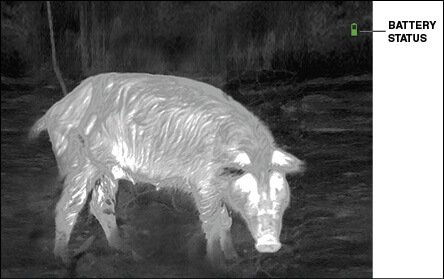
A thermal camera scope does two jobs at once: it shows heat in real time and it records what you see, so a hunt becomes footage you can review or share. That recording ability changes across terrain, because the scene in the frame, dense woods, an open field, a hillside, decides how clear the footage reads. Trees break up a heat signature and throw warm and cool patches into the same frame, while open ground gives the sensor a clean background to work against. The ATN ThOR 6 640x512 3-24x leads this roundup because its high-resolution sensor and Recoil Activated Video capture the sharpest picture on any ground, with two more ThOR 6 models filling out the range for hunters who film wider scans or want to record on a tighter budget.
Best for wide-terrain footage: ATN ThOR 6 640x512 2-16x — a wider view and hot-swap power for filming long scans.
Best value recorder: ATN ThOR 6 384x288 2.5-20x — full recording features on a smaller sensor at the entry price.
Why ATN's 6th-gen ThOR 6 makes the best thermal recordings
The ThOR 6 line records well because the same sensor that shows a clean live image also feeds the footage. Recoil Activated Video is the key feature: RAV starts recording a few seconds before you fire and keeps rolling after, so the shot is captured automatically without you fumbling for a button. Resolution then decides how good that clip looks, more pixels means finer detail, the way HD beats standard definition, so the 640x512 models produce footage you can actually study frame by frame. NETD, the sensor's thermal sensitivity, matters just as much on recordings as it does live: a low NETD figure means the scope can tell apart small temperature differences, so a warm body separates cleanly from cool brush instead of smearing into it. On the ThOR 6, that sensitivity carries straight into the saved file, which is why a clip holds its contrast even when you replay it on a bright screen at home. Refresh rate rounds out the picture, keeping a moving subject smooth rather than stuttering across the frame. Terrain is the final variable: a clean field lets all of that resolution and sensitivity shine, while a cluttered treeline asks more of the sensor, and the higher-resolution models simply have more detail in reserve to give clear footage on the harder ground.
ATN ThOR 6 640x512 3-24x — best overall
Resolution the camera can use
The 640x512 sensor is why this model records best. A recording is only as detailed as the image behind it, and more pixels mean a heat signature at distance shows up as an identifiable animal in your footage rather than a blur. SharpIR AI enhancement keeps those recorded edges crisp as you zoom, so the outline of a hog or coyote holds its shape instead of softening into the background. That detail is what separates footage you can actually use, to confirm a clean shot or to review where an animal moved, from a warm smear you can only guess at. On broken terrain, where a partial view through brush is often all you get, the extra resolution gives you enough of the picture to make sense of the clip afterward.
Reach for terrain that opens up
With 3-24x and a 3650 m detection range, this model films across open ground where subjects are far off. Detection range is where a heat source first registers as a target, and pairing that reach with high resolution gives you distant footage that still reads clearly. On a wide field or a hillside, the subject often sits well beyond what a shorter-reach optic can resolve, so the extra magnification lets the recording zoom in on the action without dissolving into noise. Because RAV clips the moment of the shot at whatever zoom you were on, that reach is baked into the footage you keep.
Recordings you can trust after dark
Thermal works on heat, not light, so this scope films the same in full dark as it does at dusk, which is exactly when most terrain gets hunted. Zeroing Freeze holds your point of impact steady so the reticle in the recording lines up with where the round actually went, making a saved clip useful for confirming shot placement rather than just watching. The low NETD keeps a warm body legible against cool night ground, so an after-midnight recording stays as readable as an evening one. That consistency is what turns a night hunt into footage you can review the next day instead of a dark, ambiguous blur.
Who it is for: the hunter who wants the sharpest recordings at any distance. Who it is not for: someone who only films close cover and would rather have the wider 2x base view. Full specs on the ATN ThOR 6 640x512 3-24x page.
ATN ThOR 6 640x512 2-16x — best for wide-terrain footage
Film the whole scan
The 2x base view captures more of the terrain in frame, so a recorded scan of a treeline or a field takes in more ground per pass. Field of view is how much you see at once, and a wider one makes for footage that shows context, not just a narrow keyhole. When you replay a scan later, that context tells you where an animal entered, which way it moved, and what else was in the area, information a tighter frame throws away. On rolling or mixed terrain, the wider base view also makes it easier to reacquire a subject that ducks behind cover, because more of the surrounding ground stays inside the recording.
Power for long filming sessions
The replaceable 18650 battery keeps the camera rolling through a long sit; swap a fresh cell in seconds and the recording continues. That is the difference between capturing the whole evening and missing the moment because power ran out. Because the batteries are standard cells rather than a sealed pack, you can carry a couple of charged spares in a pocket and film across a full night without ever heading back to the truck. For anyone who records long scanning sessions, that swap-and-continue power is what keeps the footage unbroken.
The same 640 clarity, framed wider
This model shares the 640x512 sensor of the flagship, so nothing is given up on recording quality, only on top-end magnification. That means wide-terrain footage still resolves subjects cleanly; you simply see more ground at the base setting instead of reaching as far. For a hunter whose terrain is measured in fields and food plots rather than long hillside shots, that trade lands in their favor, giving detailed, context-rich clips that are easy to follow on replay.
Who it is for: hunters filming wide scans over long sessions. Who it is not for: those who need the maximum reach of the 3-24x.
ATN ThOR 6 384x288 2.5-20x — best value recorder
Full recording features for less
The 384x288 model records with the same RAV, Zeroing Freeze, and palette options as its siblings; only the sensor is smaller. For close and mid-range footage, that difference is hard to notice, and the price tier is easier to swallow. The recording pipeline behind it is identical, so RAV still captures the shot automatically and the clips still carry the reticle and your point of impact. For a hunter whose ground is timber edges and mid-range fields rather than long open country, the smaller sensor rarely shows up as a limitation in the footage.
Palettes for watchable clips
Six color palettes let you record in White Hot, Black Hot, or a color mode, so you can capture the look that reads best for the scene and shares cleanly afterward. White Hot tends to look natural on wooded ground, Black Hot can make a warm body pop against a cool field, and the color modes add contrast that helps a clip read at a glance. Because the palette is baked into the recording as you film, choosing the right one for your terrain up front means the saved footage is watchable straight away without any editing.
A light setup that films all night
At 1.74 lbs this is the lightest of the three, which matters on a spot-and-stalk where you carry the rifle for hours before a subject ever appears. Less weight on the barrel steadies the aim, and a steadier hold makes for steadier footage when RAV fires. Paired with the same swappable 18650 batteries as its siblings, the lighter build makes this the easy-carry recorder for hunters who cover ground on foot and still want every shot saved.
Who it is for: budget-minded hunters who still want to record. Who it is not for: those chasing long-range detail in their footage.
How to choose a thermal camera scope
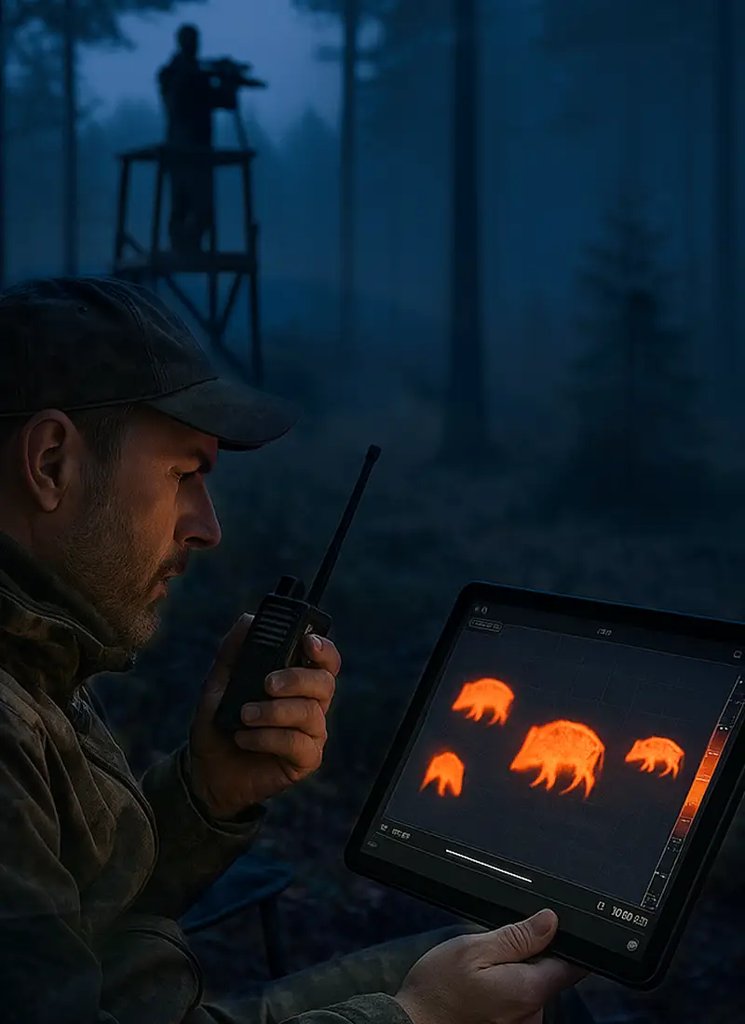
Pick by the footage you want and the ground you film on:
- Recording quality — a 640x512 sensor makes the sharpest, most detailed clips.
- Automatic capture — Recoil Activated Video films the shot for you on every model.
- Wide context — the 2-16x base view records more terrain per frame.
- Long reach — the 3-24x and 3650 m detection film distant subjects clearly.
- Value — the 384 model records the full feature set for less.
- Thermal sensitivity — a low NETD keeps a warm body legible against cool ground, so footage holds its contrast on hard terrain.
- Filming time — swappable 18650 batteries let you record a full night by carrying charged spares.
How we picked these ATN thermal scopes
We looked only at the current 6th-generation ThOR 6 line and judged each on what a recording optic actually needs: sensor resolution for footage detail, NETD sensitivity for contrast, magnification and field of view for framing, detection range, refresh rate for smooth video, weight, and battery for filming time. The honest trade-off is that a smaller sensor records less fine detail at distance, so long-range clips favor the 640 models, while the 384 keeps its edge on price and carry weight. This is an in-house comparison of ATN's own range, not an independent lab review. Match the specs to the footage and terrain you care about before you buy, and lean on the model that suits your typical ground rather than the one with the biggest number on paper.
Frequently Asked Questions
What is a thermal camera scope?
It is a thermal rifle scope that also records what it sees, giving you both a live heat image and saved video. The ATN ThOR 6 line does this with Recoil Activated Video, which captures the shot automatically so you can review or share the hunt afterward. Because the recording uses the same sensor that draws the live image, the quality of the footage tracks directly with the quality of the scope. That makes it a hunting optic and a documentation tool in one package.
Which ThOR 6 records the clearest footage?
The ATN ThOR 6 640x512 3-24x. Its 640x512 sensor packs more pixels, so recorded heat signatures resolve into detailed, identifiable subjects rather than blobs, and its reach keeps distant footage sharp across open terrain. On broken or cluttered ground it also has detail in reserve, so a partial view through brush still reads clearly on replay. For a hunter who wants footage worth studying frame by frame, it is the strongest recorder in the line.
How does Recoil Activated Video work?
RAV begins recording a few seconds before the shot and continues after, triggered by the recoil, so you never miss the moment fumbling for a button. Every ThOR 6 model includes it, so the shot is captured automatically on any of them. The pre-roll buffer means the approach and the shot are both in the clip, not just the aftermath. That makes RAV useful for confirming shot placement as well as for saving the highlight.
Does terrain affect how good my recordings look?
Yes. Open ground puts subjects farther away, so reach and resolution matter more for clear distant footage, while close cover forgives a smaller sensor. Trees and brush split a heat signature and add warm and cool clutter to the frame, which asks more of the sensor's sensitivity. Match the scope to your terrain, higher resolution for open country, and your clips will read cleaner in every setting.
Can the 384 model record as well as the 640 versions?
It records with the same features, RAV, Zeroing Freeze, and the full palette set, but on a smaller sensor, so footage carries less fine detail at long range. For close and mid-range clips the difference is minor, which makes the 384 a strong value recorder. If your ground is timber edges and mid-range fields rather than long open country, the smaller sensor rarely shows up in the footage. Its lighter weight is a bonus on any hunt where you carry the rifle for hours.
How does refresh rate affect thermal video?
Refresh rate is how many times per second the image updates. A 50 Hz rate means smoother recorded motion with less blur when a subject moves, so panning and tracking footage looks clean rather than choppy. That matters most when an animal is running or when you are sweeping the scope across a wide field. A higher refresh rate keeps those fast moments legible in the saved clip instead of stuttering.
Do I need extra batteries to record a full hunt?
The ThOR 6 models run on swappable 18650 cells, so carrying a couple of charged spares lets you film across a full night without heading back to the truck. Because the batteries are standard cells rather than a sealed pack, a swap takes seconds and the recording picks right back up. For long scanning sessions, that swap-and-continue power is what keeps the footage unbroken. It is a small habit that saves you from missing the moment when power runs low.
If you want a thermal camera scope that turns the hunt into footage worth keeping, the ATN ThOR 6 640x512 3-24x records the sharpest picture across any terrain, with Recoil Activated Video capturing the shot for you. Filming wider scans or on a tighter budget? Compare sensor, reach, and battery across the whole family on the ATN thermal scope page and pick the recorder that fits your ground.
Created: August 5, 2026 · 19:53:44 UTC