Is it legal to hunt with a thermal scope? The honest answer is: it depends on where you are, what you are hunting, and when. Thermal is legal in many places for some species and off-limits for others, and the rules change from state to state and season to season. This guide walks you through how the legality question really works, what to check before you head out, and how a scope like the ATN ThOR 6 640x512 fits into legal, ethical night hunting. It is not legal advice — always confirm with your own wildlife agency.
Is it legal to hunt with a thermal scope?
In general, hunting with a thermal scope is legal in many parts of the United States, but only for certain species and under specific rules — and it is banned or restricted in others. There is no single national answer. The most common pattern is that thermal is permitted for non-game or nuisance species such as feral hogs and coyotes, often at night, while it is limited or prohibited for regulated big game like deer and elk. Because wildlife law is set state by state (and sometimes county by county), the only reliable answer comes from your own state's game agency. Never assume a rule from one state carries over to another.
How do the rules generally work?
- Start with the species. Many states separate protected game animals from unprotected nuisance species. Thermal is far more often allowed on hogs and predators than on deer.
- Check whether it is a game or non-game animal. Non-game and invasive species usually have looser rules on optics and night hunting.
- Look at the time of day. Some states allow thermal only at night for specific species, or only during set night-hunting windows.
- Confirm any licence or permit conditions. A state may allow thermal only with a depredation permit, on private land, or with landowner permission.
- Read the current regulations, not last year's. Rules are updated season to season, so verify with the official wildlife agency each year before you hunt.
Where thermal scopes are commonly used legally
- Feral hog control — hogs are invasive across much of the South, and many states allow year-round night hunting with thermal on private land.
- Coyote and predator management — predators are frequently open to thermal night hunting, subject to state rules and landowner permission.
- Property and livestock protection — some states permit thermal for animals damaging crops or livestock, sometimes under a depredation permit.
- Scanning and scouting — using thermal to observe or locate animals is often treated differently from using it to take game, but confirm this locally too.
Why species and season matter more than the optic
The scope itself is rarely the thing that is illegal — the combination of species, method and timing is what regulators care about. A thermal scope like the ATN ThOR 6 640x512 or the lighter ThOR 6 384x288 is a tool; what makes a hunt legal or not is whether that tool is allowed for that animal, at that time, in that state. Two hunters running the exact same scope can be perfectly legal and clearly illegal depending only on what they point it at and when. That is why every section here comes back to checking your own regulations first.
Key legal terms to understand
- Game vs non-game species — regulated game (deer, elk) usually carries tighter optic and night rules than nuisance species like hogs.
- Night hunting window — many states define specific hours when night hunting with thermal is allowed for certain animals.
- Depredation permit — a special permit that can allow methods, including thermal, to control animals causing damage.
- Public vs private land — rules often differ; thermal is more commonly allowed on private land with permission.
- Method of take — the legal term for how you may hunt; thermal optics fall under this and are regulated species by species.
What to check before you hunt with thermal
- Your state wildlife agency website — the single most reliable source; read the current-year regulations for your species.
- The specific species rules — confirm thermal is allowed for exactly what you plan to hunt, not just "hunting" in general.
- Night-hunting hours — verify the legal window and whether it applies to your species.
- Land and permit requirements — check whether you need private-land permission or a depredation permit.
- Local ordinances — counties and municipalities can add rules on top of state law, including firearm-discharge limits.
Common mistakes about thermal legality
- Assuming one state's rules apply everywhere — thermal law varies dramatically; a legal hog hunt in one state can be illegal a border away.
- Confusing scouting with taking game — using thermal to look is often treated differently from using it to shoot; do not assume they are the same.
- Relying on old regulations — rules change yearly, so last season's summary may be out of date.
- Skipping the permit step — some legal thermal hunting requires a depredation permit or landowner authorisation you must have in hand first.
Example: the ATN ThOR 6 640x512
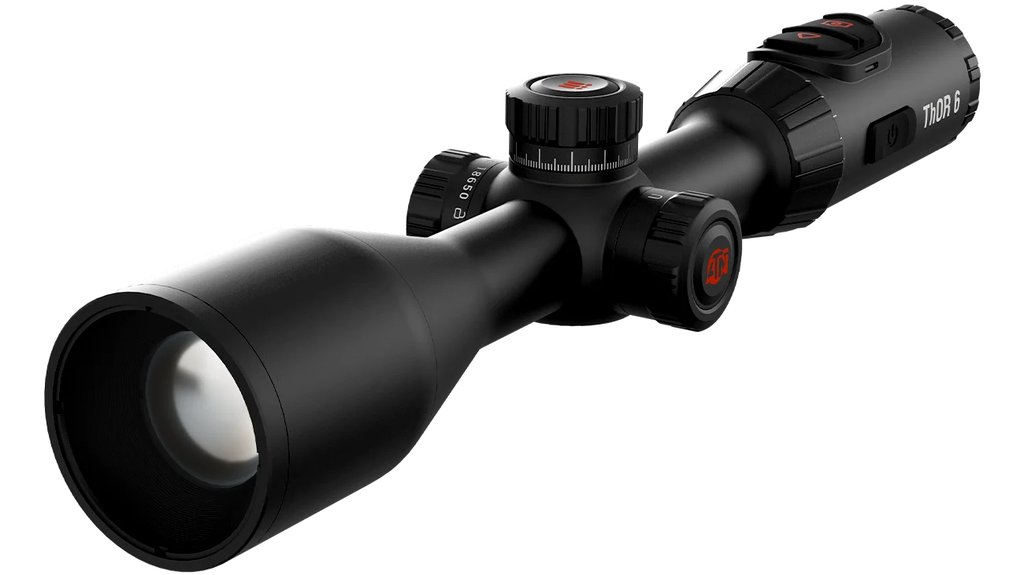
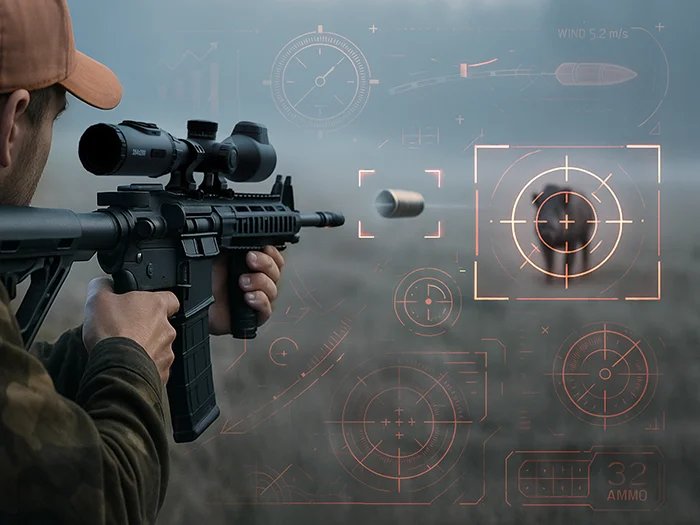
Once you have confirmed thermal is legal for your hunt, the ATN ThOR 6 640x512 is a strong choice for the kind of night predator and hog work where thermal is most often allowed. Its 640x512 sensor packs more dots into the picture, so you can positively identify an animal — the key to a legal, ethical shot — before you commit. A 15mK-class sensor keeps faint heat clear, detection reaches to 3100m, and 2-16x magnification lets you inspect a target closely. The IP67 waterproof body and roughly 9-hour battery handle a full legal night out. It sits in ATN's current line of thermal scopes.
Is a thermal scope worth it if the rules are strict?
For most hog and predator hunters, yes — even where deer and other big game are off-limits to thermal, the nuisance-species opportunities alone justify the tool. Feral hogs cause enormous damage and are open to night thermal hunting across much of the country, and coyote management is widely allowed. The value comes from matching the scope to legal opportunities: if you have access to private land with a hog problem, a capable thermal like the ThOR 6 pays for itself in nights afield. Just build the legality check into your routine as firmly as loading the rifle.
Frequently Asked Questions
Is it legal to hunt with a thermal scope?
It depends on your state, the species and the season. Many states allow thermal for non-game animals like hogs and coyotes, often at night, while restricting it for regulated big game. Always confirm with your state wildlife agency before hunting.
Can I use a thermal scope for deer hunting?
In many states, no — thermal is often restricted or banned for regulated big game like deer, even where it is legal for hogs and predators. Rules vary widely, so check your specific state regulations before assuming it is allowed.
Are thermal scopes legal for hog hunting?
In many states, especially across the South, thermal night hunting for feral hogs is legal on private land because hogs are invasive. Requirements like landowner permission or permits can apply, so verify your local rules first.
Is it legal to just scan with thermal without shooting?
Often scanning or scouting is treated differently from taking game, but not always — some states regulate the use of thermal to locate animals too. Check whether your state distinguishes observation from method of take.
Do I need a special permit to hunt with thermal?
Sometimes. Some states allow thermal only with a depredation permit or on private land with permission, particularly for controlling nuisance animals. Confirm any permit conditions with your wildlife agency before you go.
Does the type of thermal scope affect legality?
Generally no — the scope itself is a tool. Legality turns on the species, the timing and your state's method-of-take rules, not on which model you use. The same ATN ThOR 6 can be legal or illegal depending only on what and when you hunt.
Sensor: 640x512, <=15mK NETD
Detection range: up to 3100m
Magnification: 2-16x (up to 8x digital zoom)
Battery: ~9 hours, replaceable dual 18650
IP67 waterproof, 50Hz refresh, SharpIR AI
Best for: legal night hog and predator hunting
How this guide was put together
This is an in-house guide from ATN, not legal advice or an independent review. We wrote it to explain how thermal-hunting legality generally works — by species, season and state — without inventing specific statutes, because those change constantly and differ everywhere. When we point to gear, we considered only ATN's current 6th-gen line, judging it on identification clarity (sensor resolution), thermal sensitivity, detection range and battery, since those are what let you make a legal, ethical shot once thermal is permitted. Honest trade-off: the 640x512 identifies game farther out but costs more than the lighter 384x288. This guide is not a substitute for your state regulations — always confirm the current rules with your wildlife agency before hunting.
Once you have checked the rules and confirmed thermal is legal for your hunt, the ATN ThOR 6 640x512 gives you the clarity to identify game correctly and shoot ethically after dark. Its high-resolution sensor and long detection range are built for the legal night work most hunters do — hogs and predators on private ground. Explore the full range of ATN thermal scopes to find the model that fits your terrain, and make the legality check part of every trip. Hunt smart, hunt legal, and let the optic handle the dark.
Created: July 7, 2026 · 19:23:11 UTC