People asking how to make a thermal scope usually want a thermal optic that fits their terrain without paying flagship money for glass they will never use. Here is the practical redirect: a home build almost never holds a rifle zero or reads clean contrast, so the smarter move is picking the right ready-made ATN ThOR 6 for the ground you hunt. This comparison puts the ATN ThOR 6 640x512 2-16x against the more compact 384x288 variant so you can match the scope to tight woods or open country instead of soldering one together.
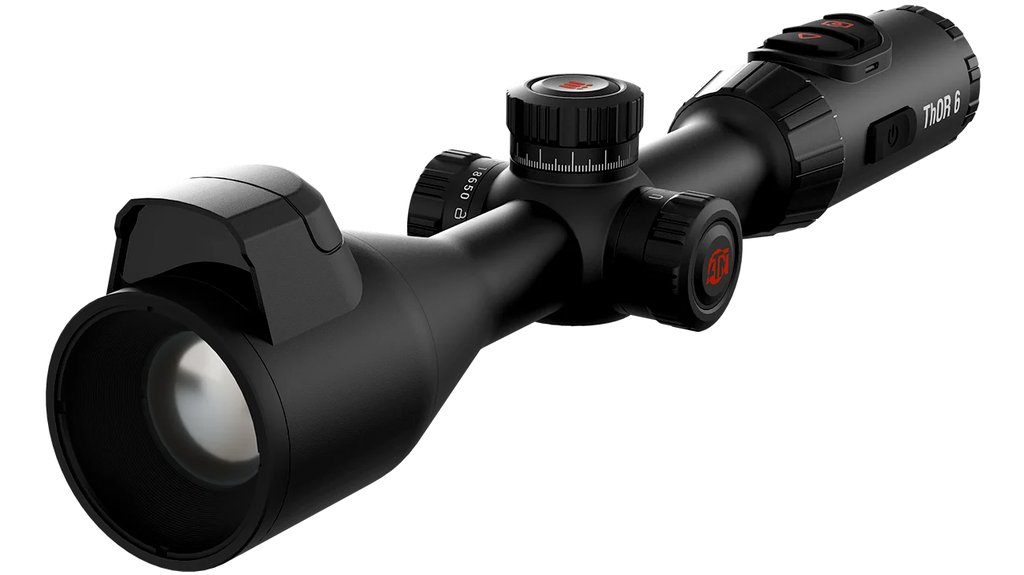
How the ThOR 6 640x512 2-16x works
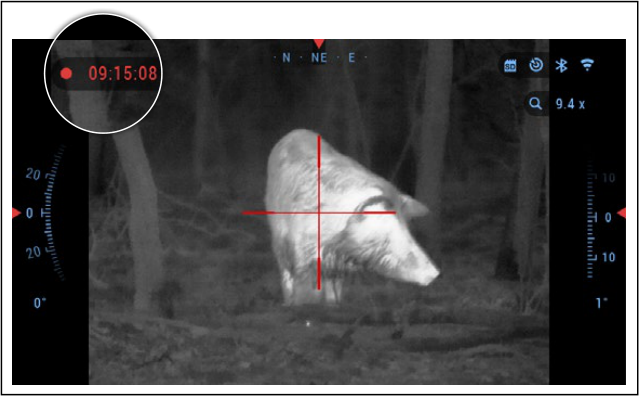
The ATN ThOR 6 640x512 2-16x works by reading heat with a dense 640x512 core — think of it as a fine grid of heat-reading dots, so a hog's outline stays crisp instead of turning into a warm blob. The 2x wide end gives you a broad field to scan a treeline; dial up to 16x and you can study a body in an open field before the shot. SharpIR sharpening, ≤15 mK sensitivity and a detection range past three kilometers mean it holds contrast across dew-cool woods and warm stubble alike, which is why it fits terrain that changes from cover to open.
How the ThOR 6 384x288 2.5-20x works
The ThOR 6 384x288 2.5-20x uses the same 6th-gen platform and ≤15 mK sensitivity but a lower-count 384x288 core paired with a longer top magnification. Fewer dots means the picture is a touch coarser at distance, but for shots kept inside its 2300 m detection window it is plenty to read a hog or coyote. It is lighter, sits in the value tier, and its 2.5-20x range leans a little more toward reaching out — a fair fit for shorter, more predictable terrain where you don't need the widest scan. It also carries six color palettes, so you can flip to whichever look — white hot, black hot, or an iron tone — reads cleanest against your particular background.
Both share the guts that a home build never gets right. Recoil Activated Video keeps recording the shot so you can confirm the hit, Zeroing Freeze locks your reticle while you dial in, Picture-in-Picture floats a zoomed aim point over the wide view, and Hot Point Tracking flags the warmest object in frame. Built-in Wi-Fi with ATN Connect 6 streams the picture to a phone, and a Full-HD OLED keeps the image bright. None of that is realistic to solder together at home, which is the whole point of skipping the build.
When to choose the 640x512 2-16x
Choose the 640x512 2-16x when your ground mixes tight woods with open fields and you want one scope to do both. The higher-resolution core keeps targets identifiable when they step out at range, and the wide 2x end lets you sweep cover quickly. If you regularly move between terrain types in a single night, this is the scope that keeps up. Picture a river-bottom farm: you still-hunt a brushy creek at low power, then a hog train crosses the picked field 200 yards out and you dial straight to 16x to count them and pick a shot. A DIY rig would smear that far group into one warm mass; the dense core keeps each animal separate.
When to choose the 384x288 2.5-20x
Choose the 384x288 2.5-20x when your shots stay inside mid-range and you want to spend less without leaving the 6th-gen family. On smaller, more consistent ground — a familiar field edge, a set stand — its resolution is enough and the lighter body carries easily. You give up some fine detail at the far end, which is the honest trade for the value price.
Our recommendation
For most hunters asking how to make a thermal scope, the real answer is the ATN ThOR 6 640x512 2-16x — it covers the widest range of terrain and holds detail where a DIY build or a lower-res core would smear. Step down to the 384x288 only if budget rules and your shots stay short. Either way, browse the full ATN ThOR thermal scope range and pick by the ground you hunt, not by a soldering project.
How we compared them
This is an in-house comparison of two current 6th-gen ATN ThOR 6 variants, not an independent lab test. We weighed the specs that matter for terrain: sensor resolution for how far you can identify a target, NETD (≤15 mK on both) for contrast in cool conditions, magnification range for matching close cover versus open lanes, detection range against realistic shot distances, plus weight and battery for a full night out. The 640x512 wins on versatility; the 384x288 wins on price and carry weight. Neither is right if you truly want an electronics hobby project — for that, a home build is the point, but it won't be a dependable hunting scope. Check both spec sets against your own terrain before buying.
Frequently Asked Questions
Is making a thermal scope a realistic alternative to buying?
For hunting, no. A home build can show heat but rarely holds a rifle zero or delivers clean contrast, and the parts often cost as much as a finished optic. Buying a calibrated ATN ThOR 6 gets you a working scope with a warranty the day it arrives.
Which ThOR 6 is better for thick woods?
The 640x512 2-16x. Its wide 2x end gives a broad field for scanning close cover, and the high-resolution core keeps a target sharp if it steps into a lane. The 384x288 works in woods too but shows a slightly coarser picture at distance.
Do both scopes have the same thermal sensitivity?
Yes. Both the 640x512 2-16x and the 384x288 2.5-20x carry a ≤15 mK NETD rating, so both hold strong contrast between a warm animal and cool background. The main difference is resolution and how far you can clearly identify what you're seeing.
Why does resolution matter more than magnification here?
Digital magnification only enlarges the dots you already have. A 640x512 core has far more dots than a 384x288 one, so zooming in stays detailed instead of getting blocky. Higher resolution is what lets you identify, not just spot, a target at range.
Can I move my zero between rifles on these?
Both ThOR 6 variants store zero profiles and use Zeroing Freeze, so re-zeroing on a different rifle is straightforward and repeatable — something a DIY build can't reliably offer. Always confirm your zero on the actual rifle before hunting.
Which one should a first-time thermal buyer get?
If you can stretch to it, the 640x512 2-16x is the more forgiving all-rounder across terrain. If budget is tight and your shots stay mid-range, the 384x288 2.5-20x is a sound entry into the 6th-gen line.
Stop planning a build that won't hold zero and pick the scope that fits your ground. The ATN ThOR 6 640x512 2-16x is the terrain-flexible answer, with a high-resolution core, ≤15 mK sensitivity and reliable zero retention out of the box. Compare it against the value 384x288 across the full ATN ThOR thermal scope range, match the magnification to your woods-to-field distances, and you'll be hunting the same night instead of chasing germanium blanks and calibration headaches.
Created: August 5, 2026 · 19:53:43 UTC