"Cheapest" only counts if the thing still works. Plenty of low-cost thermal binoculars save money by gutting the sensor or the comfort, and you feel it the first cold night. For the cheapest thermal binoculars that are still worth owning, the ATN Binox-6 384x288 is the pick: the lowest-cost binocular in ATN's current line that keeps a real 384 sensor and relaxed, two-eyed glassing instead of cutting the parts that matter.
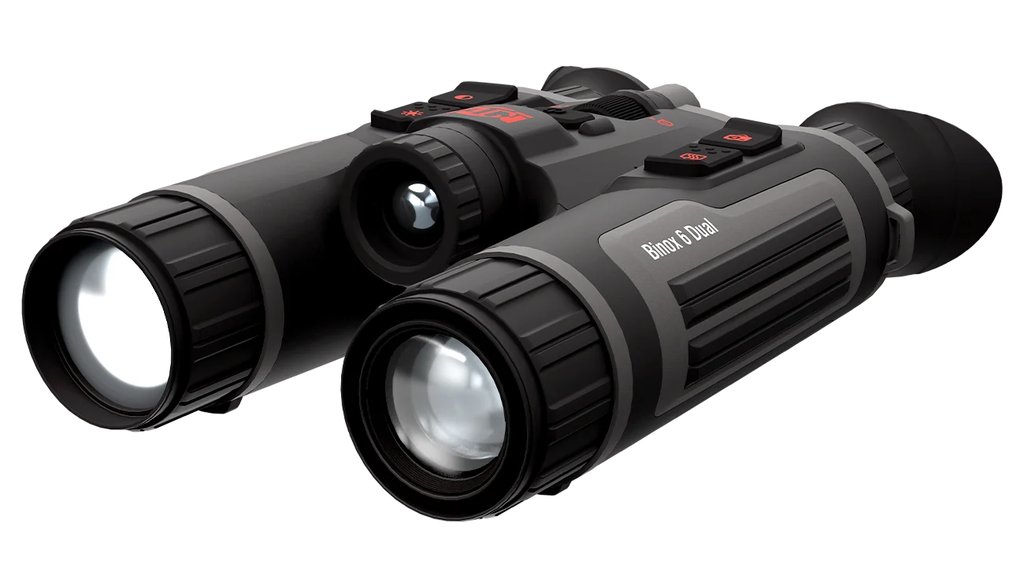
Best step up if budget allows: ATN Binox-6 640x512 3-24x - more resolution for identifying game farther out.
Best for two-eyed comfort: either Binox-6 - both give the relaxed both-eyes view a single-tube monocular can't.
Why the cheapest ATN binocular is still worth it
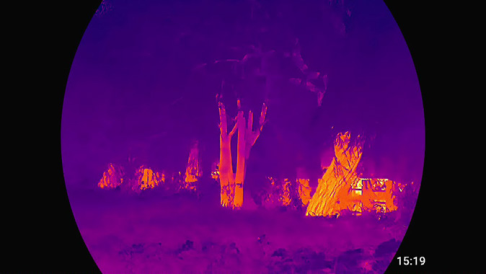
The cheapest ATN binocular is worth it because the value model keeps the fundamentals and only trims sensor size and reach. The Binox-6 384 reads heat with a NETD of 15mK or better - the measure of how faint a temperature difference it can see - so a warm animal separates cleanly from cool ground even on a mild night. Its 384 sensor and big 5.5-44x zoom let you scan wide and then push in to identify a shape, and the two-eyepiece design keeps both eyes open, which is far less tiring over a long session than squinting through one tube.
That last point is the difference between cheap-and-useful and cheap-and-frustrating. A budget single-tube unit wears out your eye and makes you rush; comfortable two-eyed glassing lets you sit and scan patiently, which finds faint heat you'd otherwise skip. Pair that comfort with a real sensor and a zoom that reaches, and the lowest-priced Binox earns its place instead of ending up in a drawer.
Cheapest worth buying: ATN Binox-6 384x288 5.5-44x
The ATN Binox-6 384x288 is the value champion for anyone who wants affordable thermal binoculars that don't feel cheap. Its 384 sensor is honest value-tier resolution, the 5.5-44x zoom is the widest range in the Binox line so you can confirm shapes far out, and detection past 2,700 meters covers real field-edge glassing. At 720 grams it's comfortable to hold, and it runs about eight hours for a full evening.
What the low price keeps
You keep the sensitivity that pulls heat from cool ground, the smooth two-eyed view, the big zoom, and the connected 6th-gen features. What you give up is sensor size and the extra long-range clarity of the 640 - not the ability to find and identify game at practical distances.
Who it's for - and who it's not
It's for the hunter or landowner who wants the lowest cost of entry into comfortable thermal binoculars. It's not for someone who needs to identify game at the very longest range in fine detail - that's the higher-resolution 640's job.
Best step up: ATN Binox-6 640x512 3-24x
The ATN Binox-6 640x512 3-24x is the choice when your budget can climb and long-range identification matters. Its 640 sensor packs more dots into the picture - the HD-versus-standard-definition jump - so a distant animal stays a recognizable shape rather than a smear, and detection reaches around 3,100 meters. It costs more and steps out of the value tier, but for serious long-distance glassing the extra resolution is worth it.
Why binoculars beat a cheap monocular for scanning
For a quick look, a monocular is lighter and cheaper, but for real scanning the two-eyed Binox wins on comfort and results. Keeping both eyes open reduces strain, so you glass longer and more carefully, and careful glassing is what turns a faint, distant signature into a confirmed animal. If you spend real time searching the dark, the comfort of binoculars pays back every night.
Getting the most from a value binocular
A cheap binocular reaches farther when you use it well. Let the sensor settle for a minute after power-up, then run a manual calibration whenever the picture turns grainy - it takes a second and restores the clarity you paid for. Glass at the low end of the zoom to sweep ground quickly and only climb toward 44x once something catches your eye; jumping straight to maximum magnification narrows the view and makes it easy to lose the target you're trying to read.
Brace for the high end and read the night. At 44x even small hand shake blurs the image, so rest your elbows on a truck hood, a pack, or your knees when you push the zoom, and let the picture stabilize before you judge it. Cool, dry nights after the ground has cooled give the sharpest contrast; on warm, humid evenings, slow your sweep, switch color palettes, and hunt for movement rather than a bright glow. These small habits are the difference between a value binocular that impresses you and one that disappoints.
How to choose the cheapest binoculars worth owning
Choose by whether the low price still covers your real distances and comfort, not by the sticker alone. A value binocular is a smart buy when it keeps the fundamentals.
- Sensor resolution - a real 384 detects and identifies at practical distances; skip units that cut the sensor to hit a price.
- Zoom range - a high top end lets you confirm distant shapes instead of just seeing heat.
- Two-eyed comfort - binoculars are far easier on the eyes for long scanning than a single tube.
- Detection range - match it to your ground; ~2,700 m covers most field-edge glassing.
- Battery life - a full evening of runtime keeps a long sit from being cut short.
What you actually give up at the value tier
It helps to be clear-eyed about what the lowest price costs you, so there are no surprises in the field. Choosing the 384 over the 640 means a bit less resolution, which shows up mainly at the very longest ranges where fine detail matters for a confident identification. It does not mean a dim, noisy, or laggy picture - the value Binox keeps the sensitivity, refresh, and comfort that decide whether you can find and read game at normal distances. For the overwhelming majority of scanning, that trade is invisible, and the money you save is money that stays in your pocket.
The smart way to buy value is to match the tool to your real distances rather than to a spec sheet. If most of your glassing happens across a pasture, a field edge, or a wood line you can walk, the 384 covers it with room to spare. If you routinely need to identify animals at the outer limits of what thermal can reach, that is the one scenario where paying up for the 640 is justified. Be honest about which describes your ground, and the cheapest Binox that still does the job is usually the 384.
Ultimately the cheapest Binox is worth buying because it does the core job - finding and reading game in the dark, comfortably, with both eyes - without the corners that make bargain optics frustrating. Judge it by whether it covers your real distances, and for most hunters and landowners it does with room to spare. That is what separates a value tool you keep reaching for from a cheap one that ends up in a drawer.
How we picked these ATN binoculars
We considered only ATN's current 6th-generation Binox-6 binoculars and judged the value option on one question: is the cheapest ATN binocular still genuinely useful? The criteria were sensor resolution and NETD, zoom range, detection distance, two-eyed comfort, battery, and weight - weighed for realistic value-tier scanning rather than a long-range spec chase. The honest trade-off is resolution for price: the 384 gives huge zoom and comfort but not the far-field clarity of the 640, and it isn't the tool for the very longest identification shots. This is an in-house comparison of ATN's own binoculars, not an independent lab test, so match the pick to how far you really glass.
Frequently Asked Questions
What are the cheapest thermal binoculars worth buying?
The ATN Binox-6 384x288 5.5-44x. It's the lowest-cost binocular in ATN's 6th-gen line but keeps a real 384 sensor, a big 5.5-44x zoom, and comfortable two-eyed glassing, so the low price still finds and identifies game.
Does the cheapest option mean poor image quality?
No. Because the Binox-6 line shares a core, the value 384 keeps the sensitivity, zoom, and comfort of pricier models. You give up sensor size and some long-range clarity, not the fundamental ability to see game.
Is a 384 sensor enough in binoculars?
For most field-edge glassing, yes. A 384 detects and, with the big zoom, identifies game at practical distances. Step up to a 640 only if you need fine detail at the very longest ranges.
How far can the Binox-6 384 detect animals?
Detection reaches past 2,700 meters. Identifying the animal happens closer, which is where the 5.5-44x zoom does its work.
Why choose binoculars over a cheaper monocular?
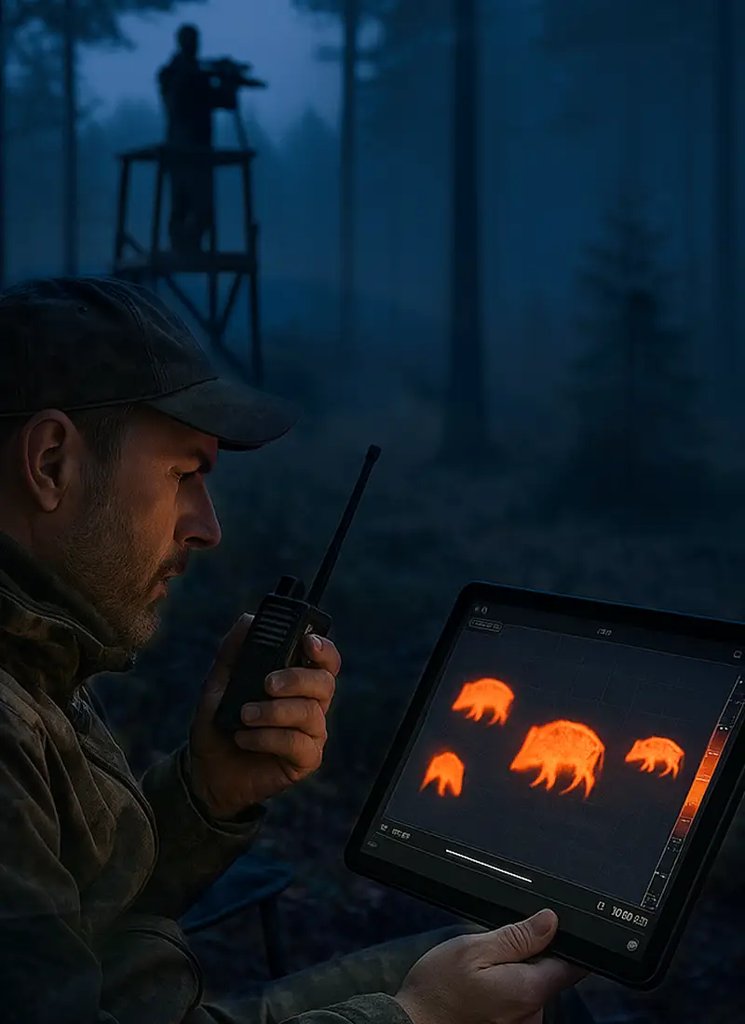
Two eyepieces let you keep both eyes open, which is far less tiring for long scanning and helps you spot faint heat. A monocular is fine for quick looks but wears you out over a long session.
How do I hold a steady picture at high zoom?
Brace your elbows on a solid rest and let the image settle before judging it. At 44x even slight hand shake blurs the view, so a stable rest is the key to using all that reach.
Are the Binox-6 384 binoculars good for beginners?
Yes. The two-eyed view is comfortable and intuitive, the big zoom helps confirm what you spot, and the value price lowers the barrier to entry, making it an easy first pair of thermal binoculars to learn on.
The lowest price doesn't have to mean the least capable. See the ATN Binox-6 384x288 and browse the full ATN thermal binoculars lineup to weigh price against resolution for your ground. Glass with both eyes, reach with the big zoom, and you'll find game other bargain units never resolve.
Created: July 8, 2026 · 09:58:23 UTC