If your goal is simply to spend as little as possible and still get real thermal binoculars, this is the short version: the ATN Binox-6 Dual 384x288 5.5-44x is the lowest entry point into the Binox line. It is the answer to "what are the cheapest thermal binoculars I can buy that actually work?" Unlike a budget round-up that weighs a dozen features, this one is about the door price — the least you can pay to walk out with a Binox-6 that still sees heat, ranges the target, and holds a clean picture. The 384 is that door, and it does not force you to accept a broken optic to hit the low number.
The cheapest thermal binoculars worth owning are the ATN Binox-6 Dual 384x288 5.5-44x. It is the lowest entry point into the Binox line and still brings a clean 15mK image, high zoom, 2750m detection, and a built-in laser rangefinder. It's the entry price, not a downgraded experience.
Quick answerLowest entry point: ATN Binox-6 Dual 384x288 5.5-44x — the cheapest way into the Binox line, and it still ranges, sees heat cleanly, and zooms far.
If you have more to spend: ATN Binox-6 Dual 640x512 3-24x — sharper sensor and longer detection, at flagship pricing.
Bottom line: the 384 5.5-44x is the entry model. It costs the least of the Binox pair while keeping the rangefinder and the 4-in-1 vision that make thermal binoculars useful.
Why the Binox-6 384 is the cheapest one worth buying
The cheapest useful thermal binocular is the one that hits the lowest price without breaking the parts you can't fix later. In the Binox-6 line, that is the 384. It is the entry model, so it costs the least — but it keeps a 15mK NETD, which is what lets it hold a clean picture in fog, humidity, and rain instead of turning to noise. It keeps the built-in laser rangefinder, so you are not forced to buy a second tool. And it keeps the 4-in-1 day, night, thermal, and twilight modes, so you can find heat and then confirm what it is. Where it saves money is the sensor: a 384x288 chip instead of the flagship 640, which is a fair trade at the entry level. Think of it like screen resolution — the 640 is the sharper HD screen, the 384 is still a clear picture, just with fewer dots. That balance is why the 384 is the sensible floor of ATN's thermal binoculars range rather than a corner-cut mistake.
The reason "cheapest" is a fair question here — and not a trap — is that ATN builds the entry model on the exact same platform as the flagship. The processor, the refresh rate, the app, the waterproof shell, and the ranging hardware are shared; only the sensor size changes. That is very different from a market where the cheapest option is a completely different, lower-quality product dressed up to look the part. When the cheapest version of a good tool is just a smaller-sensor version of that same tool, buying it is a smart economy rather than a gamble. That is precisely the situation with the Binox-6 384.
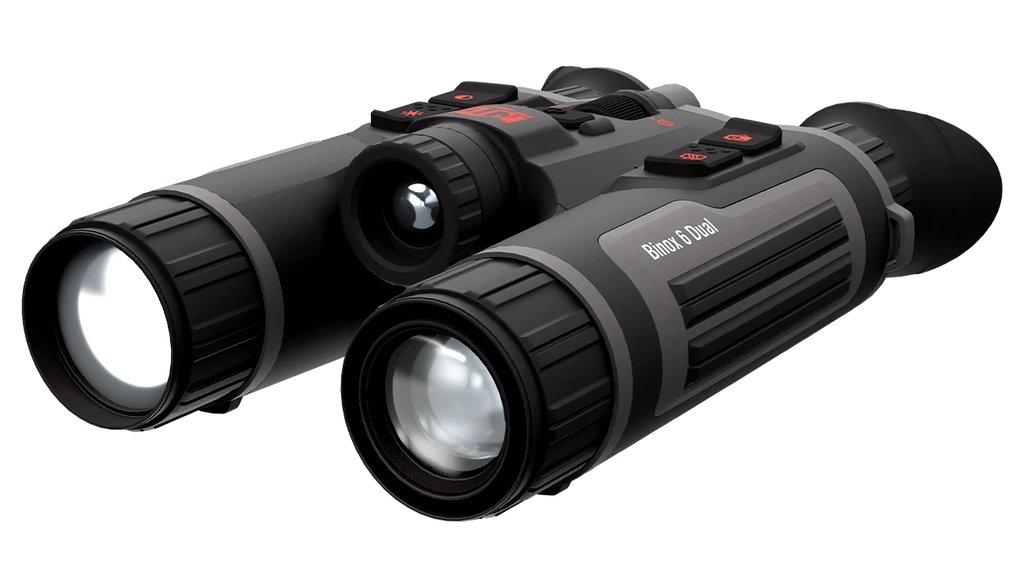
Lowest entry point: ATN Binox-6 Dual 384x288 5.5-44x
The ATN Binox-6 Dual 384x288 5.5-44x is the least expensive way to own a Binox-6, and it earns the spot honestly. Its 384x288 sensor still holds shape and detail well enough to spot and follow animals, and its 5.5-44x zoom band climbs high — so even the entry model reaches far out for a closer look. Detection range runs to 2750m, meaning you can pick up heat long before the animal is aware of you. And because the price is the whole point here, it matters that the 384 does not strip out the rangefinder or the multispectral modes to get there. You pay the entry price and still get a capable pair of thermal binoculars. That matters because the whole point of shopping for the cheapest option is to get into thermal at all — and there is a big difference between the cheapest working tool and the cheapest thing that merely looks like one. The 384 is firmly the former: buy it, take it out, and it does the job the first night and every night after.
Everything essential, nothing wasted
The entry model keeps the features that make thermal binoculars worth owning — the clean image, the ranging, the ability to confirm a target in low light — and simply meets a lower price by using the smaller sensor. That is the right way to build a cheapest option.
Reach that punches above the price
The 5.5-44x zoom is actually higher on top than the pricier 640's 3-24x, so this entry model reaches out with confidence. For distant field edges and ridgelines, that extra top-end is a genuine perk — the cheapest model is not the shortest-ranged.
The same body you'd pay more for
Because it shares the Binox-6 chassis, the entry model is IP67 waterproof, runs on replaceable 18650 batteries for about eight hours, and keeps 64 GB of storage and the Connect 6 app. So even at the lowest price of admission, you get the durability and staying power of the line — the savings come off the sensor, not off the build quality or the features you rely on in the field. Who it's for: the buyer who wants the lowest price of admission and still expects real performance. Who it's not for: anyone chasing the sharpest possible picture, who should spend up to the 640.
If you have more to spend: ATN Binox-6 Dual 640x512 3-24x
When the entry price isn't the hard limit, the Binox-6 Dual 640x512 3-24x is the upgrade. Its 640 sensor packs more dots into the picture for sharper detail and easier identification at long range, and its detection climbs to 3100m. It shares the entry model's rangefinder and 4-in-1 vision, so the jump is really about a better sensor and a bit more reach. It sits at flagship pricing — which is exactly why the 384 remains the cheapest choice.
Think of the two as the same tool at two resolutions. If you can identify what you need to identify with the entry model — and for most spotting, following, and confirming work you can — there is no reason to spend up. The 640 rewards people who study animals at the very edge of what thermal can resolve. If that is not you, the cheapest Binox-6 is not a downgrade you'll regret; it's simply the sensible amount to spend. Who it's for: buyers who value picture clarity over saving money. Who it's not for: the shopper who came here to spend the least, for whom the 384 is the right call.
How to pick the cheapest thermal binoculars wisely
Cheapest is a smart goal only if the low price doesn't cost you the tool's usefulness. Here is how to judge it:
- Confirm the NETD is still low — the entry model keeps 15mK, so it holds a clean image in bad air. A cheaper unit with a noisy sensor is a false saving.
- Check that the rangefinder survives the price cut — the 384 keeps its laser rangefinder, so you don't have to buy a separate device on top.
- Accept the smaller sensor — 384x288 is the fair place to trim cost; the picture is still clear, it just softens a little sooner as you zoom.
- Look for the vision modes — day, night, and twilight let you identify what you found; losing them would gut the value more than losing resolution.
- Use the high zoom — the entry model's 5.5-44x reach is a bonus for open-country glassing, so cheapest doesn't mean short-ranged.
- Demand weatherproofing — an IP67 rating keeps the cheapest model alive in the rain, which protects your investment.
- Confirm the battery is replaceable — swappable cells let you carry spares and stay out, so the low price doesn't cost you a full night in the field.
- Beware fake-cheap — a no-name unit that softens in humidity and can't range is not cheaper in the long run; the entry Binox-6 avoids that trap.
The cheapest thermal binoculars worth owning are the ones where every bit saved comes from a fair trade — a smaller sensor — and never from gutting the sensor quality, the ranging, the modes, or the build. The Binox-6 384 is exactly that: the lowest door price into a real multispectral platform. Buy the entry model with a clear conscience, or step up to the 640 for sharpness. Both are honest tools; only one is the cheapest.
How we picked these ATN thermal binoculars
Full transparency on how this shortlist was built. Every option here is from ATN's current 6th-generation line only — no discontinued models padding the list. Each was weighed on the specs that decide a real hunt: sensor resolution, thermal sensitivity (NETD), detection range, refresh rate, and battery life, then sanity-checked against how it actually performs for lowest entry point. Where a model gives something up, that trade-off is called out plainly rather than hidden. These are the maker's own optics, so treat this as an honest in-house comparison of the range — not an independent lab review — and cross-check the specs against your own needs.
Frequently Asked Questions
What is the cheapest thermal binocular ATN makes in the Binox line?
The Binox-6 Dual 384x288 5.5-44x is the entry model and the lowest-priced way into the Binox line. It still includes a clean 15mK sensor, high zoom, and a built-in laser rangefinder, so the low price does not come from removing the essentials.
Does the cheapest Binox-6 still see heat well?
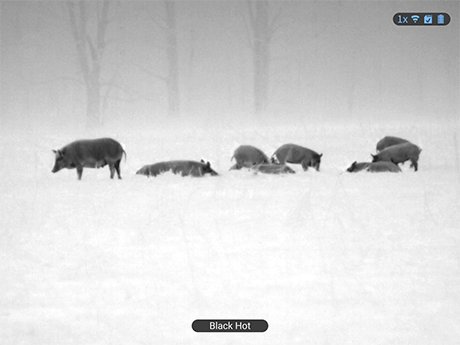
Yes. Its 384x288 sensor with a 15mK NETD holds a clean, usable picture and detects heat out to 2750m. You spot and follow animals well before they know you are there, even in humid or foggy conditions.
What do I lose by buying the entry model instead of the 640?
Mainly resolution and a little detection range. The 384 sensor packs fewer dots, so the picture softens sooner as you zoom, and it detects to 2750m rather than 3100m. You keep the rangefinder, the 4-in-1 vision, and the weatherproofing.
Is the cheapest model still weatherproof?
Yes. The entry Binox-6 carries an IP67 waterproof rating, so rain, dust, and rough handling won't take it out of service. Durability is part of what makes it worth owning rather than a throwaway.
Does the entry model come with a rangefinder?
Yes. It includes the same built-in laser rangefinder as the flagship, reading to 1000 yards. That saves you the cost of a separate rangefinder, which is a big reason it stays useful at the entry price.
Should I just save up for the 640 instead?
Only if picture sharpness at long range is your priority. The 640 has a finer sensor and more reach but sits at flagship pricing. If your goal is the lowest entry point, the 384 gives you real thermal binoculars for less.
Want in on thermal binoculars for the lowest sensible price? The ATN Binox-6 Dual 384x288 5.5-44x is the entry point to the Binox line — it keeps the clean image, the high zoom, and the laser rangefinder while asking the least of your wallet. If picture sharpness matters more than price, step up to the 640. Either way, compare them across ATN's full lineup of thermal binoculars and get into real thermal without overpaying.
Created: July 7, 2026 · 08:31:01 UTC