The same hog field reads differently in July than it does in January, and a smart budget thermal clip on hog hunting choice takes the season into account. Summer's heat-soaked ground flattens contrast; winter's cold makes a hog blaze. This comparison lines up the three ATN TICO 6 variants from the current 6th-generation thermal clip-on line against the seasons you actually hunt.
Bottom line: in easy winter conditions the value-tier TICO 6 256x192 pulls its weight; through humid summer nights the 384x288's tighter NETD helps; and for the toughest heat-soaked, long-range summer glassing the 640x512 holds contrast best.
Why season changes the thermal picture
Thermal reads temperature differences, not light, so the gap between a warm hog and the ground behind it is what makes the image. In cold winter air that gap is wide and even a modest sensor shows a hog clearly. In summer, hot ground can sit close to body temperature after sundown, shrinking the contrast — and that is where a lower NETD and a higher-resolution sensor earn their keep. So the 'best' budget clip-on genuinely shifts with the calendar.
The three variants, season by season
Winter value pick: TICO 6 256x192
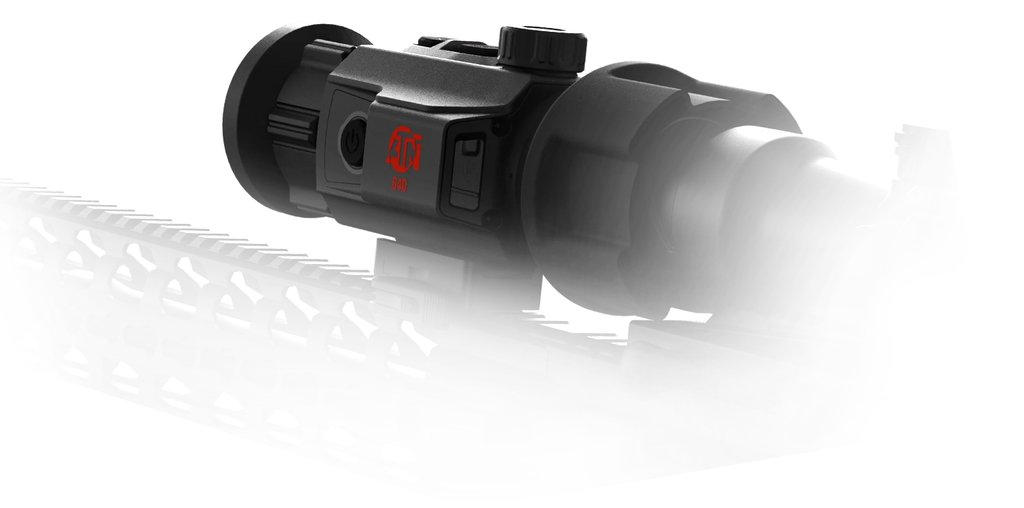
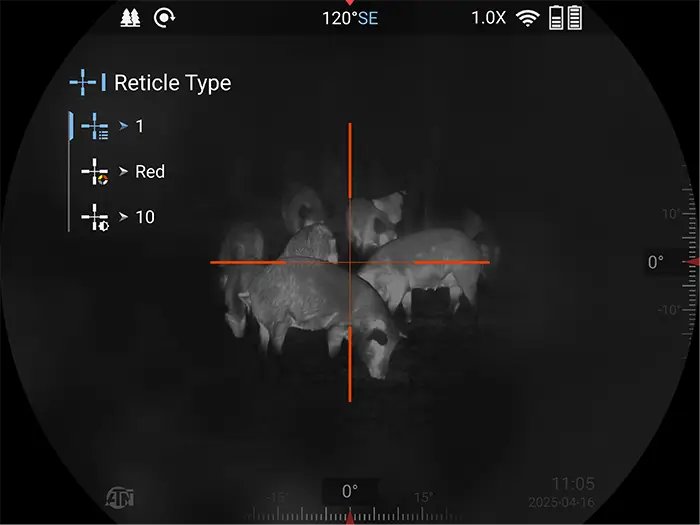
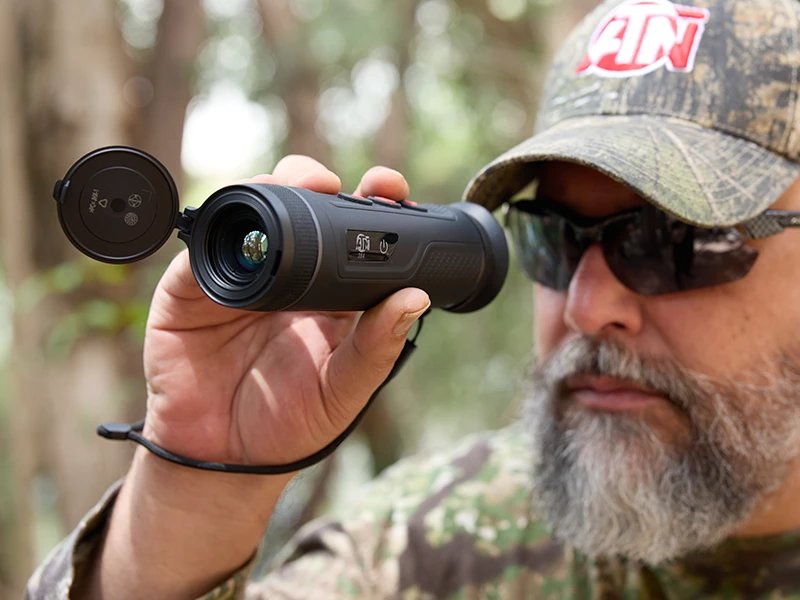
In the cold months, the wide temperature gap does much of the work for you, so the value-tier TICO 6 256x192 is often all the clip-on you need. A hog crossing frozen stubble glows against the ground, and the 256x192 sensor renders it plainly at the shorter distances winter hunting usually involves. It is the lightest at 1.12 lbs and the entry rung on price — a sensible cold-season starting point that still holds your day-scope zero and doubles as a monocular.
Shoulder-season all-rounder: TICO 6 384x288
Through spring and fall, and the humid summer nights common in hog country, the TICO 6 384x288 is the balanced middle ground. Its ≤18 mK NETD is tighter than the value model's, which helps when warm, damp air narrows the contrast, and 2710 m detection covers the mid distances of open-and-timber ground. It is the variant that copes with the widest range of conditions without overpaying for the longest reach.
Peak-summer long-range pick: TICO 6 640x512
On the hardest nights — mid-summer, ground still radiating heat, hogs a long way off across an open field — the flagship TICO 6 640x512 pulls ahead. Its 640x512 sensor and ≤18 mK NETD keep a hog readable when contrast is thin, and 3500 m detection means you can still catch heat at distance the smaller sensors would lose. It is the top tier, but summer's flat picture is exactly where that extra resolution pays.
Which to run when
- Deep winter, close-to-mid range → the 256x192 value tier is plenty and lightest.
- Spring/fall or humid summer, mixed range → the 384x288 all-rounder copes best across conditions.
- Peak summer, long-range open fields → the 640x512 flagship holds contrast when heat soak flattens the scene.
- Year-round shared traits → all three retain zero, record on recoil and convert to a handheld monocular.
The same field, two seasons apart
In January, a hog crossing frozen stubble under the 256x192 lights up like a lantern — the cold ground gives you all the contrast you need, and the value clip-on renders it plainly. Come August, that same field has baked all day; two hours after dark it is still shedding heat, and the temperature gap between hog and ground is thin. Now the 256x192 shows a softer, lower-contrast shape, while the 384x288's tighter NETD and the 640x512's higher resolution pull the animal cleanly out of the murk. It is the clearest illustration of why one clip-on is not automatically 'best' year-round.
The practical takeaway: if your hog hunting clusters in the cool months, you can hunt happily on the value tier; if you chase pigs through the summer, the tighter-NETD or higher-resolution models give you the margin the season takes away.
How we compared them
This is an in-house, ATN-vs-ATN comparison of our current 6th-generation TICO 6 line, not an independent review, so test the logic against your own seasons and ground. We compared the three variants through the lens of weather because contrast changes with temperature: NETD and sensor resolution for holding a picture when summer heat flattens the scene, detection range for the distances each season involves, and weight for carry comfort.
We use value tiers, not hard prices, and consider only the current line. The honest trade-off: no clip-on beats physics — mid-afternoon heat soak will thin any thermal image, higher-resolution sensor or not — so plan hot-weather hunts for after the ground cools. Who it is not for: a hunter wanting a standalone thermal scope with its own reticle should look at a dedicated thermal weapon sight rather than a clip-on.
Frequently Asked Questions
Does the season really change which clip-on is best?
Yes. Thermal works on temperature contrast, which is wide in winter and narrow after a hot summer day. In easy winter conditions the value 256x192 is enough; in flat summer heat the tighter-NETD 384x288 or higher-resolution 640x512 hold a cleaner picture.
Which TICO 6 is best for summer hog hunting?
For long-range open fields on hot nights, the 640x512 — its resolution and NETD hold contrast when heat soak flattens the scene. For mid-range humid nights, the 384x288 is the balanced choice.
Is the value model useless in summer?
No, just more limited. The 256x192 works fine at closer range once the ground cools, but it has less margin than the higher-resolution models when summer heat narrows the contrast at distance.
Why does hot ground make thermal harder?
After a hot day the ground can radiate heat close to a hog's body temperature, shrinking the difference the sensor reads. A lower NETD and higher resolution help pull the animal out of that flatter picture.
Do all three hold my rifle's zero across seasons?
Yes. Each TICO 6 mounts ahead of your day scope on an included Quick Detach mount built to hold zero, regardless of the weather, so you sight in once and clip on year-round.
Can I use one clip-on for every season?
You can, and the 384x288 is the most season-flexible single choice because its tighter NETD and mid-range detection cope with both cold clarity and summer heat soak. But if your hunting is mostly cold-weather and close, the value 256x192 saves weight and money; if it is mostly hot-weather and long-range, the 640x512 is the safer pick when contrast turns thin.
Pick the clip-on for your season: the winter-friendly TICO 6 256x192, the all-round 384x288, or the summer-tough 640x512 — all in ATN's thermal clip-on range.
Created: August 5, 2026 · 19:53:41 UTC