Wildlife photography and observation after dark has a different goal than hunting: you want to find animals without disturbing them, watch natural behavior, and capture what you see. For the best thermal monocular wildlife photography 2026 pick, the ATN Odin MFT 640x480 leads: a compact, true-1x unit that locates wildlife in total darkness and records what you observe, without a light that would spook the animals.
The best thermal monocular for wildlife photography in 2026 is the ATN Odin MFT 640x480. Its true 1x view makes finding and following animals natural, the 640 sensor renders clean heat detail, and it captures footage in complete darkness with no light to disturb wildlife - so you observe and record natural behavior undetected.
Quick answer: top picksBest for wildlife observation: ATN Odin MFT 640x480 - compact, true 1x, records in the dark.
Best widest-view scanner: ATN BlazeTrek 6 640x512 - a broad 1.5x view for finding animals fast over open ground.
Best for distant subjects: ATN Odin MFT LRF 640x480 - the same unit with a rangefinder to gauge distance to shy wildlife.
Why ATN's 6th-gen Odin MFT suits wildlife observation
ATN's 6th-generation Odin MFT suits wildlife observation because it lets you find and watch animals without disturbing them. Thermal reads heat, so it needs no light at all - you observe nocturnal wildlife in total darkness without a beam that would send them running. The true 1x view makes following a moving animal natural, the way your eyes already work, and the 640 sensor renders clean heat detail with a NETD of 15mK or better, the measure of how faint a temperature difference it can see. Its compact, light body is easy to hold steady for long periods of quiet watching.
For capturing what you see, the Odin's recording and connectivity matter. You can save footage of the behavior you observe and review or share it later, turning a night of watching into a record. Running about eight hours on swappable 18650 cells, it lasts the patient, unhurried sessions wildlife observation rewards - and its multi-role design means it doubles as a handheld or head-worn unit as you move quietly through cover.
Best observation pick: ATN Odin MFT 640x480
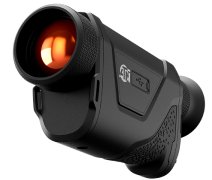
The ATN Odin MFT 640x480 is the choice for finding, watching, and recording wildlife after dark. Its true 1x view makes locating and following an animal natural and unhurried, the 640 sensor renders clean heat detail so you can read behavior, and it captures footage with no light to spook your subject. Compact and light, it's easy to hold steady through long, quiet sessions, and it works handheld or head-worn as you move through cover.
Why no-light observation matters for wildlife
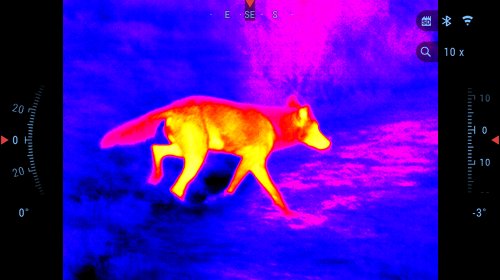
A flashlight or IR beam changes animal behavior and can end a sighting instantly. Thermal reveals warm animals with no emitted light at all, so you watch genuine, undisturbed behavior in total darkness. That's the whole point of thermal for wildlife: seeing without being seen.
Who it's for - and who it's not
It's for the wildlife watcher, naturalist, or content creator who wants to find and record nocturnal animals without disturbing them. It's not a substitute for a long-lens daytime camera's fine detail - thermal shows heat, not coat color or fine features - and for the very widest fast scanning, a broad-view unit is handier.
Best widest-view scanner: ATN BlazeTrek 6 640x512
The ATN BlazeTrek 6 640x512 is the pick when finding animals fast over open ground comes first. Its low 1.5x start gives the widest view for quick scanning, so you locate wildlife rapidly, then move in quietly to observe. At 320 grams it's the lightest option here. It's the finder to the Odin's watcher, and the two pair well for a night of observation.
Best for distant subjects: ATN Odin MFT LRF 640x480
The ATN Odin MFT LRF 640x480 is the same observation unit with a built-in laser rangefinder. For shy wildlife you watch from a distance, knowing the exact range helps you judge behavior, plan a quiet approach, or simply record how far off a subject is. It adds a little weight for the laser but keeps the same true 1x view and 640 sensor, making it the choice when distance matters.
Getting the best footage and sightings
Approach observation patiently. Move slowly and use terrain and wind to stay downwind of your subject, since animals detect scent long before they'd notice a silent thermal. Hold the unit steady - braced against a tree, a pack, or your knee - so both your viewing and any recording stay smooth, and let the picture settle before you judge a scene. Switch color palettes to find the one that renders your subject and background with the most pleasing contrast for the conditions.
Hunt the right nights and settings. Cool, dry evenings after the ground has cooled give the cleanest contrast, so animals stand out crisply against the background. Run a quick manual calibration whenever the image turns grainy to keep detail sharp, keep the lens clean, and start on fresh cells with spares warm in a pocket so a long, rewarding session isn't cut short. Observation is a waiting game, and preparation is what turns patience into sightings worth recording.
How to choose a wildlife observation monocular
Choose for undisturbed observation and natural handling. A no-light heat picture, a natural view, and clean detail matter more than raw reach for watching wildlife.
- True 1x view - makes finding and following animals natural, the way your eyes work.
- Sensor resolution - a 640 renders clean heat detail so you can read behavior.
- Recording and connectivity - the ability to capture and review footage turns watching into a record.
- Weight - a light body is easier to hold steady through long, quiet sessions.
- Battery life - observation rewards patience, so favor long, swappable runtime.
Fieldcraft for undisturbed sightings
The best thermal in the world won't help if your fieldcraft spooks the animal first. Wind is the priority: animals scent you long before they'd notice a silent thermal, so plan every approach to keep the breeze in your face and move with the terrain, using cover and low ground to close distance quietly. Move a few steps, stop, and glass, letting the true 1x view keep you oriented as you follow a subject. Patience and scent discipline, not gear, are what put you close enough to watch natural behavior unfold.
Prepare for clean footage and long sessions. Brace the unit against a tree, a pack, or your knee so both your viewing and any recording stay steady, and let the picture settle before you judge or capture a scene. Switch palettes to find the one that renders your subject and its background with the most pleasing contrast for the night, run a quick calibration whenever the image turns grainy, and hunt the cool, dry evenings that give the sharpest heat separation. Start on fresh cells with warm spares in a pocket, and a patient night of quiet watching will reward you with sightings and recordings most people never get.
Think about the story you want to capture, not just the sighting. Because thermal shows heat and behavior rather than coat color, the most compelling footage comes from movement and interaction - an animal feeding, a pair moving together, a predator working an edge - so let a scene develop rather than grabbing a few seconds and moving on. Note the location and conditions of good sightings so you can return when the light, wind, and temperature line up again, since the best wildlife moments tend to repeat in the same places. Over time you build a map of where and when animals move on your ground, and the Odin MFT turns from a gadget into the tool that quietly documents a whole landscape's nocturnal life.
How we picked these ATN monoculars
We judged only ATN's current 6th-generation monoculars for wildlife observation and recording, prioritizing undisturbed watching and natural handling. The criteria were a true 1x view, sensor resolution and NETD for clean detail, recording ability, weight for steady long sessions, and battery life - weighed for finding and observing nocturnal animals rather than hunting or long-range identification. The honest trade-off is heat detail versus photographic detail: thermal shows warm shape and behavior, not coat color or fine features, so it complements rather than replaces a daytime camera. This is an in-house comparison of ATN's own monoculars, not an independent lab test, so match the pick to how you observe.
Frequently Asked Questions
What is the best thermal monocular for wildlife photography in 2026?
The ATN Odin MFT 640x480. Its true 1x view makes finding and following animals natural, the 640 sensor renders clean heat detail, and it records in total darkness with no light to disturb wildlife.
Why use thermal for wildlife observation instead of a light?
A flashlight or IR beam changes animal behavior and can end a sighting. Thermal reveals warm animals with no emitted light at all, so you observe genuine, undisturbed behavior in complete darkness.
Can a thermal monocular replace a wildlife camera?
No, it complements one. Thermal shows heat shape and behavior, not coat color or fine features, so it excels at finding and observing animals in the dark while a daytime camera captures fine photographic detail.
Does the Odin MFT record what I see?
Yes, the 6th-gen line supports capture and connectivity, so you can record footage of the behavior you observe and review or share it later, turning a night of watching into a record.
How long can I observe on one set of batteries?
About eight hours on swappable 18650 cells. Because they're replaceable, carrying spares lets you extend a patient observation session as long as you like.
Which is better for shy, distant wildlife?
The Odin MFT LRF version adds a laser rangefinder, which helps you gauge distance to a shy subject you watch from afar and plan a quiet approach. Otherwise the standard Odin MFT is a touch lighter.
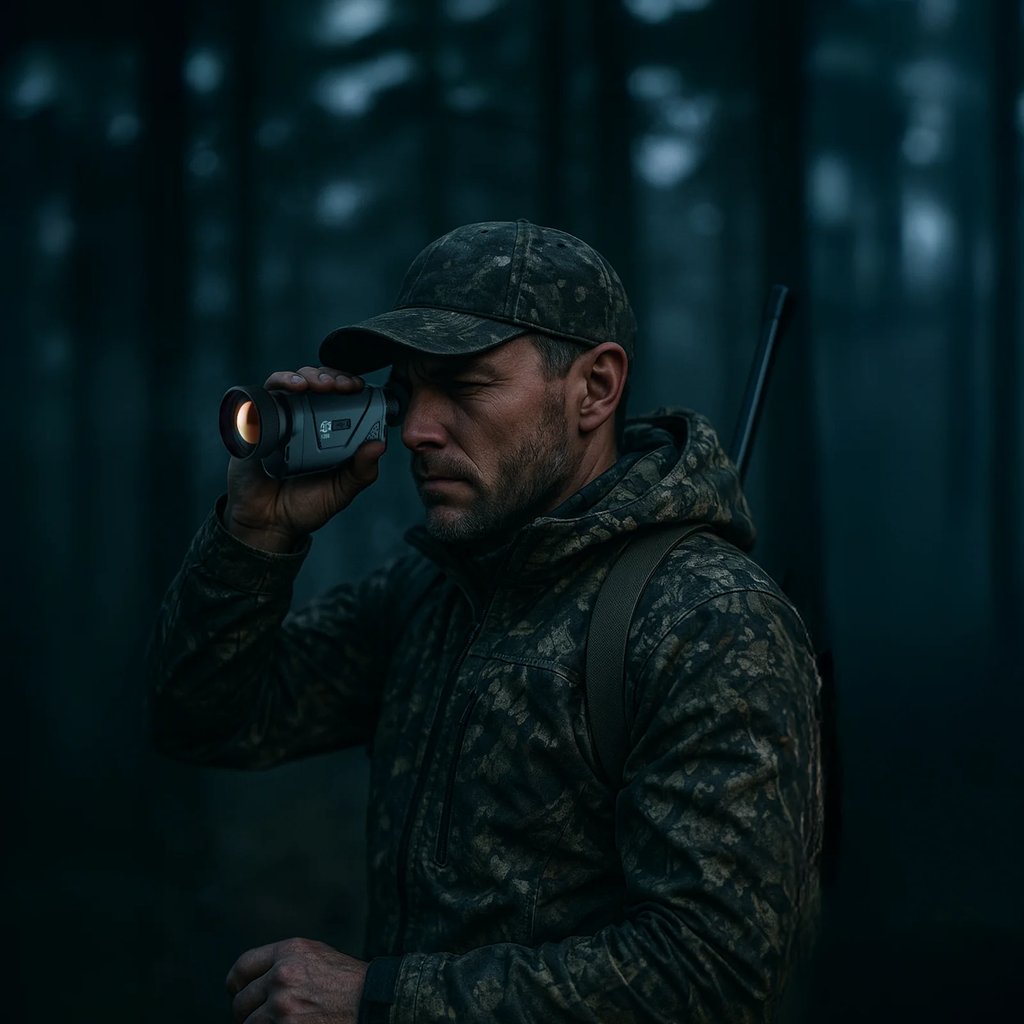
See the night's wildlife without ever disturbing it. See the ATN Odin MFT 640x480 and explore the full ATN thermal monocular lineup to match view, detail, and recording to how you observe. Move slow, stay downwind, hold steady, and you'll watch and record behavior most people never get to see.
Created: July 8, 2026 · 09:02:56 UTC