Photographing nocturnal wildlife starts with a problem: you can't shoot what you can't find, and most of nature moves after dark. A thermal monocular solves both halves at once — it locates a warm animal in pitch black, and if the picture is detailed enough and it records cleanly, the footage itself becomes the shot. Owls, foxes, deer, coyotes, a badger working a hedgerow: all of it shows up as heat and holds still long enough to capture. For the best thermal monocular wildlife photography 2026 pick, resolution and recording quality lead. The ATN BlazeHunter XD LRF 1280x1024 2-16x tops the list because its extreme-definition sensor and Full-HD recording turn a heat signature into an image worth keeping.
Best value capture kit: ATN BlazeTrek 6 640x512 1.5-12x — a lighter, sharp-recording option that still delivers clean, shareable footage.
Why detail leads here: the more dots in the picture, the more your recording actually shows — and that's the whole point of shooting wildlife.
Why ATN's 6th-gen line captures wildlife so well
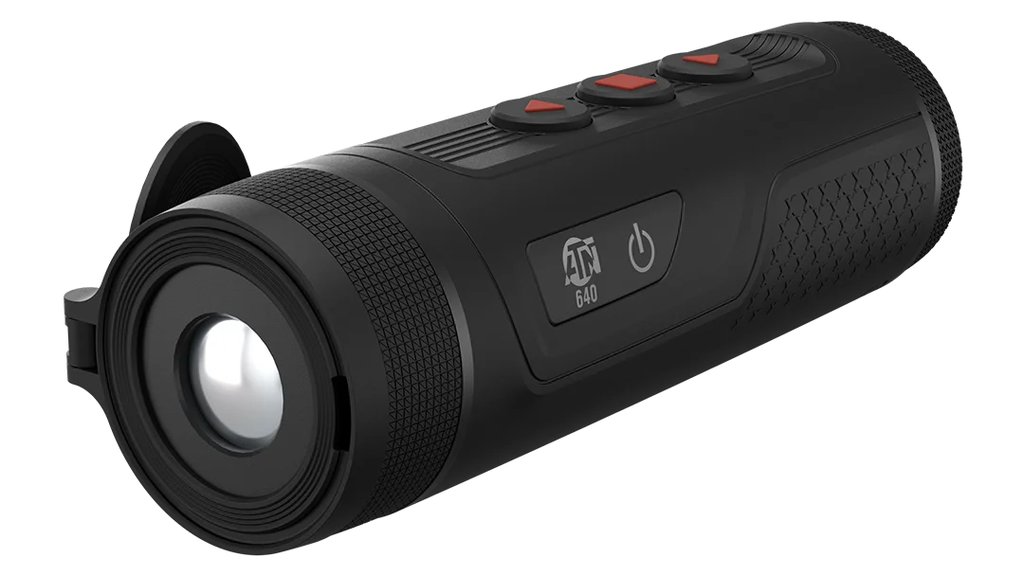
ATN's 6th-generation thermal monoculars suit wildlife capture because they pair detection with real recording, not an afterthought clip function. Both picks here run SharpIR AI image enhancement, which sharpens the edges of a heat signature so an animal reads as a recognizable creature in your footage rather than a warm smear. Six color palettes — White Hot, Black Hot, Iron Red, Alarm, Green Hot and Sepia — let you choose the look and contrast of the shot, and many wildlife shooters favor White Hot or Iron Red for how they render an animal against a cool background. Hot Point Tracking helps you keep a subject centered, and a 50 Hz refresh keeps a moving animal smooth in the recording instead of smeared. Both record video and photos to 32 GB, stream over Wi-Fi to the ATN Connect 6 app for easy transfer, and are IP67 waterproof for a damp dawn shoot. With recording and enhancement shared, the image-quality question comes down to sensor detail and display — and that's where these two separate.
Best overall for wildlife photography: ATN BlazeHunter XD LRF
The ATN BlazeHunter XD LRF 1280x1024 2-16x is the wildlife photographer's pick because it captures the most detail the ATN line offers and records it in Full HD. When the footage is the goal, resolution is not a luxury — it's the difference between a clip that shows an animal and one that shows a blob.
Detail that survives the recording
An extreme-definition 1280x1024 sensor carries over a million more pixels than a standard thermal — the leap to a much higher-megapixel camera — so an animal keeps its shape, posture and texture even as you zoom in, and that detail is preserved in the capture. A Full-HD 1920x1080 OLED display means what you record looks sharp on playback, not soft. A very low <=15mK NETD keeps the picture clean in the humid, misty conditions common at dawn and dusk, so subtle heat differences — the outline of antlers, the mask of a fox — still read.
Reach that doesn't spook the subject
A 3400m detection range and smooth zoom to 16x let you record wildlife from a distance that keeps the animal relaxed and natural, which is exactly what makes the footage worth having. A built-in laser rangefinder reads distance to your subject, useful for logging observations, and dual removable batteries deliver 10-plus hours for long stakeouts. It's heavier at about 1.1 lb — the honest cost of that sensor and reach — and steadying it on a tripod or rest is worth doing for the cleanest shots.
Who it's for and who it isn't
It's for the serious wildlife shooter or researcher who wants the highest-detail capture from a respectful distance and will carry a bit more for it. It's not the pick if you want the lightest, most affordable recorder for casual capture — that's where the BlazeTrek 6 comes in.
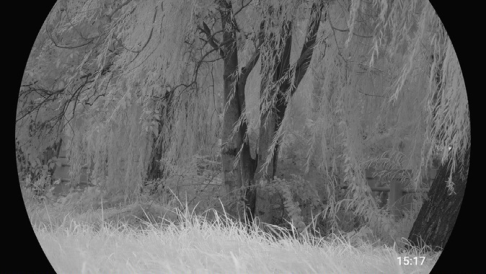
Best value capture kit: ATN BlazeTrek 6
The ATN BlazeTrek 6 640x512 1.5-12x is the pick for the shooter who wants sharp, shareable wildlife footage without the flagship's weight or cost. It records cleanly and carries light, which for casual capture and long walks matters more than squeezing out the last bit of resolution.
Sharp recording, half the weight
A 640x512 sensor still lays down plenty of dots in the picture — solid HD-class detail — so recorded animals read clearly and clips look good shared or reviewed. Video and photos save to 32 GB and stream over Wi-Fi to the ATN Connect 6 app for quick transfer to a phone. A low <=18mK NETD keeps the picture clean in damp air, and a 1000m detection range covers the distances most backyard, woodland and field wildlife shows up over. At about 0.7 lb it's the one you'll actually carry on a long dusk walk.
Who it's for and who it isn't
It's for the casual or on-the-move wildlife watcher who wants good footage in a light, affordable package. It's not for you if you need the absolute finest detail for close study or large-format use — that ceiling belongs to the BlazeHunter XD's 1280x1024 sensor.
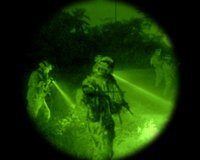
Getting sharp footage in the field
The gear finds the animal, but a few field habits turn a heat signature into footage you're proud of. The biggest one is steadiness: at higher zoom, the smallest hand movement is magnified, so bracing against a tree, using a rest, or mounting the higher-magnification BlazeHunter XD on a lightweight tripod makes the difference between a shaky clip and a clean one. Let the sensor settle before you record — a moment of stillness lets SharpIR resolve the animal's edges. Choose your palette for the scene before the animal arrives, not while it's leaving: White Hot tends to look natural on video, while Iron Red adds contrast that separates a warm body from cool ground and reads well on playback. Approach with the wind in your face and record from as far back as detail allows, because a relaxed animal behaving naturally is always a better subject than one that's noticed you. Finally, keep recording a beat longer than you think you need — the best behavior often comes right after you'd have stopped.
Two capture scenarios
- Documenting a den or feeding site — set up well back with the BlazeHunter XD on a tripod, use its 3400m reach and 16x zoom to record foxes or badgers at the entrance without disturbing them, and let the dual batteries carry a long, patient session.
- A dusk walk along a hedgerow — carry the light BlazeTrek 6, scan on a wide base magnification to pick up deer and small mammals fast, and record clean HD-class clips to share, all in a package light enough not to slow the walk.
Why thermal captures what a camera can't
Thermal opens a window on wildlife that ordinary and even night-vision cameras keep shut. A standard camera needs light and struggles to find a camouflaged animal against a busy background, day or night. A thermal monocular ignores light entirely and keys on the one thing a living animal can't switch off — its body heat. That means a deer bedded in dense brush, an owl perched motionless in a tree, or a fox frozen at the field edge all reveal themselves as glowing shapes, no matter how well they blend visually. You find subjects you'd never have spotted, and you find them from a distance that lets them stay natural. The footage has a distinctive look, too — a stark, sculptural rendering of heat that's become its own genre of nature imagery. For a researcher logging nocturnal activity or a hobbyist building a portfolio of after-dark wildlife, thermal simply sees a world the camera can't reach, and a high-resolution sensor like the BlazeHunter XD's captures that world in enough detail to be worth keeping.
How to choose a thermal monocular for wildlife capture
The right capture tool matches how much detail you need, how far your subjects are, and how much you'll carry. Weigh these:
- How much detail do you need? — For close study, large-format use or the sharpest clips, the 1280x1024 BlazeHunter XD leads; for casual sharing, the 640x512 BlazeTrek 6 is plenty.
- How far are your subjects? — Skittish animals recorded from far off favor the BlazeHunter XD's 3400m reach; backyard and woodland subjects sit well within the BlazeTrek 6's 1000m.
- How does the recording look on playback? — A Full-HD display like the BlazeHunter XD's preserves more of what the sensor sees in your footage.
- How long are your sessions? — Long, patient stakeouts favor the BlazeHunter XD's swappable dual batteries and 10-plus hours; shorter walks suit the BlazeTrek 6.
- What will you carry? — The 0.7 lb BlazeTrek 6 is easy on a long trek; the 1.1 lb flagship rewards a tripod or rest for the steadiest shots.
- What conditions? — Dawn and dusk mist favor a lower NETD, and both are strong here, with the BlazeHunter XD leading at <=15mK.
Compare the exact recording variants in the full thermal monoculars lineup, and if you just want to watch rather than capture, our thermal monocular wildlife observation guide focuses on that.
How we picked these ATN thermal monoculars
Here's how this wildlife-capture shortlist came together. Only ATN's current 6th-generation line was considered — nothing older or discontinued. Each pick was judged on what actually decides a recording: sensor resolution for the detail your footage preserves, display quality for playback, thermal sensitivity (NETD) for a clean picture in dawn and dusk mist, detection range for shooting from a respectful distance, refresh rate for smooth motion, and battery life for long, patient sessions. The trade-offs are stated plainly — the flagship weighs more and costs more, the value pick tops out at less detail. These are ATN's own devices, so treat this as an honest in-house comparison of the range rather than an independent lab review, and match the specs to your subjects and shooting style.
Frequently Asked Questions
What is the best thermal monocular for wildlife photography in 2026?
The ATN BlazeHunter XD LRF 1280x1024 2-16x is the top pick for 2026. Its extreme-definition 1280x1024 sensor and Full-HD 1920x1080 recording capture nocturnal animals in genuine detail, and its 3400m detection range lets you shoot from a distance that keeps subjects relaxed. For wildlife capture, that resolution and reach are exactly what matters.
Can you photograph wildlife at night with a thermal monocular?
Yes. A thermal monocular detects an animal's body heat in total darkness, so it finds nocturnal wildlife a camera would never see, and it records video and photos of what it sees. The higher the sensor resolution, the more detailed and usable that footage is, which is why a 1280x1024 unit like the BlazeHunter XD stands out for capture.
Why does sensor resolution matter so much for capture?
Because resolution is how much detail your recording preserves. More dots in the picture — like a higher-megapixel camera — means an animal keeps its shape and texture as you zoom, so the clip shows a recognizable creature rather than a warm blob. That's why the 1280x1024 BlazeHunter XD leads over the 640x512 BlazeTrek 6 for serious work.
Is the BlazeTrek 6 good enough for wildlife recording?
For casual capture and sharing, yes. Its 640x512 sensor records clean, HD-class footage, saves to 32 GB and transfers over Wi-Fi to the ATN Connect 6 app, all in a light 0.7 lb body. If you need the finest detail for close study or large-format use, step up to the BlazeHunter XD's higher-resolution sensor.
How far away can I record an animal without disturbing it?
The BlazeHunter XD detects heat out to about 3400m and zooms to 16x, so you can locate and record wildlife from well back, keeping the animal relaxed and its behavior natural. The BlazeTrek 6 reaches about 1000m, which comfortably covers backyard, woodland and field subjects at a respectful distance.
Which color palette is best for wildlife footage?
It's a matter of look and contrast. Many wildlife shooters favor White Hot for a natural rendering or Iron Red for how it separates a warm animal from cool surroundings. Both monoculars carry all six palettes, so experiment until your subject stands out cleanly against the background for the shot you want.
How do I get the footage off the monocular?
Both record to onboard 32 GB storage and stream over Wi-Fi to the ATN Connect 6 app, so you can transfer clips and photos straight to a phone for review or sharing. You can also pull files over USB-C, giving you a simple path from field capture to editing or posting.
The best wildlife shots are the ones you can actually find and keep, and the ATN BlazeHunter XD delivers both — an extreme-detail sensor and Full-HD recording that turn a nighttime heat signature into an image worth saving. If you want a lighter, more affordable way in, the ATN thermal monoculars line puts the BlazeTrek 6 right alongside it. Pick the detail that matches your subjects, charge up before dusk, and let heat show you the animals the dark was hiding — then record them.
Created: July 7, 2026 · 11:11:27 UTC