Law enforcement use asks something specific of a thermal monocular: work hands-free, mount to a helmet, run all shift, and let an operator range and assess without setting anything down. For the best thermal monocular law enforcement 2026 pick, the ATN Odin MFT LRF 640x480 leads: a compact, helmet-capable multi-role unit with a true 1x view and a built-in laser rangefinder.
The best thermal monocular for law enforcement in 2026 is the ATN Odin MFT LRF 640x480. It's a compact, helmet-capable multi-role unit with a true 1x view for natural head-tracking movement, a 640 sensor and ~1,700-meter detection, and a built-in laser rangefinder - so an operator can move, scan, and range hands-free.
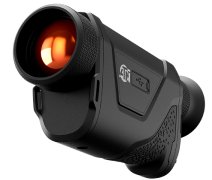
Quick answer: top picksBest LE monocular overall: ATN Odin MFT LRF 640x480 - hands-free, helmet-capable, with ranging.
Best lighter LE option: ATN Odin MFT 640x480 - the same multi-role body without the laser, a touch lighter.
Best long-range handheld partner: ATN BlazeHunter XD LRF 1280x1024 - maximum detail and reach when needed in the hand.
Why ATN's 6th-gen Odin MFT fits law enforcement use
ATN's 6th-generation Odin MFT fits law enforcement use because it's built to be worn and used on the move, not just held. Its compact, light body mounts to a helmet so an operator keeps both hands free for a weapon, radio, or gear. The true 1x magnification is critical here: at 1x the thermal image tracks naturally with the eyes, so a user can walk and scan without the disorientation a magnified view causes. The 640 sensor reads people and objects clearly with a NETD of 15mK or better - the measure of how faint a temperature difference it detects - and the built-in rangefinder supplies distance without a second device.
For LE tasks, the priorities are hands-free operation, a natural view, ruggedness, and the ability to range or assess instantly. The Odin MFT was designed around exactly those needs, and its multi-role flexibility means the same unit works head-worn, handheld, or weapon-adjacent as a situation changes - running about eight hours on swappable 18650 cells to cover a shift.
Best LE pick: ATN Odin MFT LRF 640x480
The ATN Odin MFT LRF 640x480 is the top law-enforcement choice because it does the LE job as a system. Helmet-mounted, it frees both hands; the true 1x view lets an operator move naturally while scanning; the 640 sensor identifies people and objects clearly; and the built-in rangefinder gives instant distance for assessment. At 400 grams without battery it stays light on a mount, and its multi-role design adapts head-worn or handheld as needed.
Why true 1x matters for an operator
On the head, a true 1x view keeps the thermal image aligned with natural eye movement, so an operator walks, turns, and scans without the seasick effect of a magnified image. Up to 8x is on tap to reach out and assess when needed, but the 1x base is what makes hands-free movement practical.
Who it's for - and who it's not
It's for users who need hands-free, helmet-capable thermal with ranging for patrol, search, and tactical movement. It's not the pick for someone who only needs a stationary long-range spotter - that points to the higher-resolution BlazeHunter XD - or who wants the lightest possible mount without ranging, where the non-LRF Odin is a touch lighter.
Best lighter option: ATN Odin MFT 640x480
The ATN Odin MFT 640x480 is the same multi-role unit without the laser rangefinder, trimming a little weight to 360 grams without battery. If ranging isn't part of the task and the lightest hands-free setup is the goal, it delivers the same 640 sensor, true 1x view, and rugged mountable body. It's the choice for pure detection and navigation duties.
Best long-range partner: ATN BlazeHunter XD LRF 1280x1024
The ATN BlazeHunter XD LRF 1280x1024 is the handheld to carry when maximum detail and reach matter. Its ultra-high-resolution sensor and detection past 3,400 meters read and range targets far beyond a head-worn 1x view's purpose. Many operators run a light Odin MFT on the helmet for hands-free work and pull out the XD when they need to identify something at distance.
Setting up a hands-free thermal for duty use
Mount it right and it disappears in use. Use a quality helmet, mount, and arm that hold the unit steady in front of the dominant eye, set a repeatable flip-up and flip-down position, and adjust the diopter until the image is crisp for that operator. Because the Odin runs true 1x, train with it down while moving on known ground first, so trusting a heat picture on the move becomes second nature before it matters on a call.
Manage balance and power for a full shift. Counterweight the rear of the helmet if possible so the unit doesn't pull the head forward, keep the rig as light as the task allows, and learn the ranging and palette controls by feel to avoid fumbling in the dark. Carry spare 18650 cells, and rehearse transitioning smoothly between the head-worn view and a handheld or weapon optic. Treated as a trained system, a hands-free Odin MFT lets an operator move, observe, and range at once.
How to choose a law-enforcement thermal monocular
Choose for hands-free operation and a natural view first; those define duty use far more than raw magnification.
- True 1x view - essential on a helmet so the image tracks with natural eye movement.
- Weight on the mount - lighter keeps an operator fresh over a full shift; check weight without battery.
- Sensor resolution - a 640 identifies people and objects clearly at working distance.
- Rangefinder - a built-in laser adds instant distance for assessment without a second device.
- Durability and mounting - confirm rugged construction and standard mount compatibility for duty use.
Training the hands-free system for duty
A helmet-mounted thermal is only as good as the training behind it. Operators should rehearse with the unit down while moving on known ground first, so trusting a heat picture on the move becomes automatic before it matters on a call. Practice flipping the unit into and out of position the same way every time, learn the ranging and palette controls by feel so there's no fumbling in the dark, and drill smooth transitions between the head-worn 1x view and a handheld or weapon optic. Muscle memory built in training is what makes the true 1x view an asset rather than a distraction under stress.
Set the rig up as a balanced, shift-long system. Counterweight the rear of the helmet where possible so the unit doesn't pull the head forward over hours, keep the whole setup as light as the task allows, and confirm the mount holds zero-steady with no wobble that would jitter the picture. Manage power like any other duty item: start on fresh 18650 cells, carry spares, and know your runtime. A hands-free Odin MFT, trained and set up properly, lets an operator move, scan, and range at once without ever committing a hand to the tool.
Consider how the unit fits the rest of an operator's load, too. A hands-free thermal shines when the surrounding kit supports it: a helmet balanced front-to-back, a way to power or manage other devices without fumbling, and a clear plan for where a handheld or weapon optic lives so the transition is one smooth motion. Because the Odin runs a true 1x, an operator can keep it down and moving while still reading the ground, then reach out to 8x only to assess a specific contact. Rehearsed as part of the whole system rather than treated as a standalone gadget, the Odin MFT becomes something an operator trusts instinctively - which is exactly what duty use, under stress and in the dark, actually requires.
How we picked these ATN monoculars
We judged only ATN's current 6th-generation monoculars for law-enforcement and duty use, prioritizing hands-free operation and a natural view. The criteria were a true 1x view, weight on the mount, sensor resolution and NETD, detection range, rangefinding, and durability - weighed for patrol, search, and tactical movement rather than static long-range spotting. The honest trade-off is versatility for maximum reach: the Odin MFT is wearable and multi-role but doesn't match the handheld BlazeHunter XD's long-range detail, and it isn't a stationary spotter's tool. This is an in-house comparison of ATN's own monoculars, not an independent lab test, so match the pick to how an operator will actually use it.
Frequently Asked Questions
What is the best thermal monocular for law enforcement in 2026?
The ATN Odin MFT LRF 640x480. It's a compact, helmet-capable multi-role unit with a true 1x view, a 640 sensor, ~1,700-meter detection, and a built-in laser rangefinder for hands-free scanning and ranging.
Why is a true 1x view important for duty use?
A true 1x view keeps the thermal image aligned with natural eye movement, so an operator can walk and scan without disorientation. Up to 8x zoom is available to reach out and assess when needed.
Can the Odin MFT be helmet-mounted?
Yes. Its compact, light body is designed for hands-free helmet mounting, which frees both hands for a weapon, radio, or gear during patrol and tactical movement.
Do I need the rangefinder version for LE work?
Get the LRF version if instant distance measurement is part of the task, such as assessment or ranged coordination. The standard Odin MFT is a touch lighter if you only need detection and navigation.
How long does the Odin MFT run per shift?
About eight hours on swappable 18650 cells. Carrying spare batteries lets an operator extend runtime to cover a full or extended shift.
Should an operator also carry a handheld unit?
Often, yes. A light Odin MFT on the helmet handles hands-free movement, while a handheld like the BlazeHunter XD LRF provides maximum detail and reach when identifying something at distance.
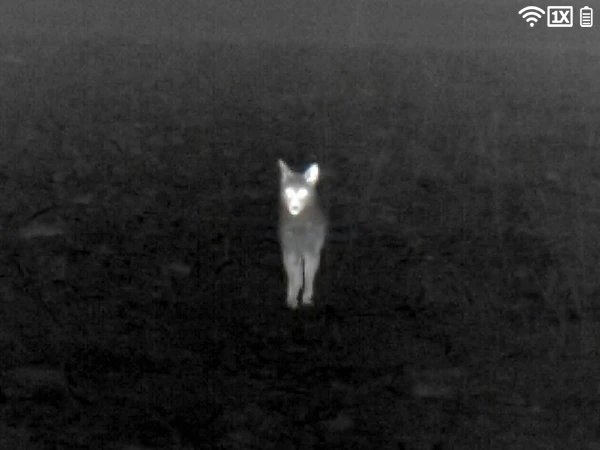
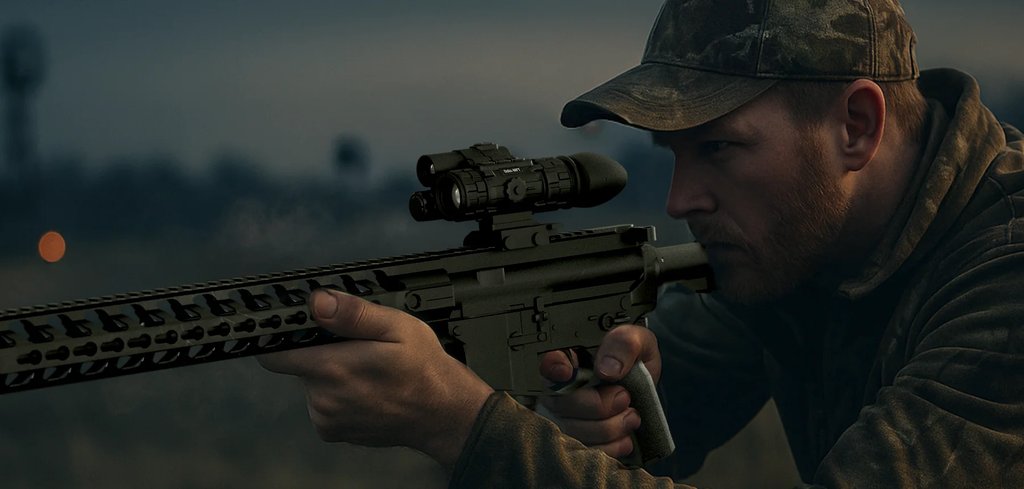
For duty use, the thermal belongs on the helmet, not in a hand. See the ATN Odin MFT LRF 640x480 and compare it across the ATN thermal monocular lineup to match view, weight, and ranging to the mission. Train the mount as a system, and an operator moves, scans, and ranges without ever setting the tool down.
Created: July 8, 2026 · 09:02:56 UTC