Ask ten predator hunters what the best thermal monocular for the money for coyote hunting is, and most are really asking one thing: which handheld gives me the most usable coyote-spotting per tier of spend spent? Not the cheapest sticker, and not the flagship that empties the truck fund. The pick that pays you back every night you carry it. For that middle-of-the-value-curve sweet spot, the ATN BlazeTrek 6 is the one I keep coming back to. It reads a coyote sneaking a fence line at real calling distance, it fits a coat pocket, and it does not ask you to pay flagship money to get there.
Best if you hunt tight and cheap: ATN BlazeSeeker 6 256x192 — a wider, lighter budget pick for close stands and thick cover.
Bottom line: if you call coyotes across cut fields and want the most spotting for what you spend, the BlazeTrek 6 is the buy.
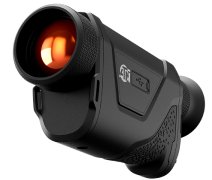
Why does ATN's 6th-gen line matter for value?
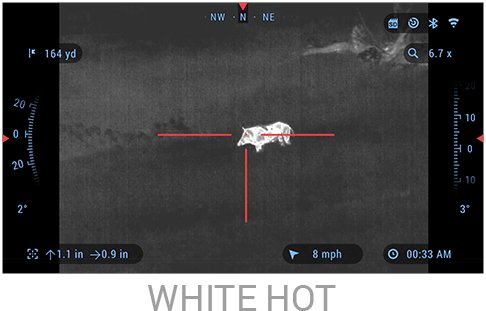
ATN's 6th-generation thermal shares one brain across the whole family, so a mid-priced monocular runs the same processing tricks as the pricey glass. That is where the value comes from. SharpIR AI image enhancement cleans the picture in real time, Hot Point Tracking tags the hottest thing in frame so a coyote does not blend into a warm hillside, and a 50 Hz refresh rate keeps a trotting dog crisp instead of smeared. You also get six color palettes, so you can flip to Black Hot when a White Hot field is washing out the target, and the ATN Connect 6 app pipes the view to your phone. None of that is reserved for the top model. When the smart features carry down the line, a value pick like the BlazeTrek 6 stops being a compromise and starts being the smart place to stop climbing the price ladder. For coyote work specifically, that means you spend on the resolution and range you actually use on a call, and skip the extras you would not.
How do the two ATN value monoculars compare?
Best overall for the money: ATN BlazeTrek 6 384x288
The ATN BlazeTrek 6 384x288 earns the top value spot because its sensor and range line up almost perfectly with how far you actually shoot called coyotes. It answers the money question directly: this is the point on the price ladder where spending more stops buying you meaningfully more coyote.
The 384x288 sensor pulls its weight
Think of resolution like dots in the picture. The 384x288 sensor packs in far more dots than the entry 256, so when you punch the zoom to confirm whether that heat signature is a coyote or a stray dog, the image holds together instead of turning into blocks. Paired with the up-to-1000m detection range, you will pick up a dog crossing a distant fence line well before it reads your setup. For the money, that is the jump that matters most.
Smooth, sharp, and pocketable
The <=18mK thermal sensitivity means a cleaner picture on those humid, dew-heavy nights when coyotes move most, and the 50 Hz refresh keeps a running dog from smearing as you swing to follow it. At 0.7 lb it rides in a coat pocket, the battery goes about eight hours for a full night of calling, and it is IP67 waterproof for the walk back through wet grass. Who it is for: the hunter who wants the best spotting per tier of spend and calls at realistic ranges. Who it is not for: someone who needs the absolute finest detail at extreme distance and will pay for a 640 sensor.
Features that punch above the price
The value case gets stronger when you look at what comes standard. Six color palettes let you switch from White Hot to Black Hot to Iron Red when the terrain or air is washing out contrast, and on a frosty morning that flexibility helps a cool-bodied coyote stand out against the ground. Hot Point Tracking tags the hottest object in frame, so a dog moving through brush stays marked instead of disappearing into a warm hillside. The 800x600 OLED display shows all that cleanly, and the 32 GB of onboard storage plus the ATN Connect 6 app let you record a stand and share the footage. None of these are stripped out to hit the price. That is the point of the value pick: you are not paying for a hollow spec sheet, you are getting a full-featured tool at the spot on the ladder where the next budget buys the least.
Best cheap pick: ATN BlazeSeeker 6 256x192
If your value math tilts toward the lowest spend that still finds coyotes, the ATN BlazeSeeker 6 256x192 is the budget end of the same family. It sits below the BlazeTrek in price and reach, but it is not a toy.
Wide view, light weight, close range
Its wide 24 x 18 degree field of view is genuinely useful when you are calling in thick cover and a coyote could pop out anywhere close. At 0.6 lb it is the lightest option here, and the same 50 Hz refresh and SharpIR processing come along. The trade is range and detail: a 256x192 sensor and 345m detection mean it is happiest inside a couple hundred yards. Who it is for: the caller working brush and edges who wants to spend as little as possible. Who it is not for: anyone glassing wide open cut fields where coyotes hang up at distance — step up to the BlazeTrek for that.
Where does the value math land between the two? If most of your stands are close and thick, the BlazeSeeker saves you money you would not have spent well on reach anyway, and that makes it a smart cheap buy. But the moment your hunting opens up — cut fields, powerline cuts, long fence lines — the BlazeTrek's extra sensor and range start earning back their price on every sit. For the hunter who does a little of both, the BlazeTrek is the safer value: it covers the close game the BlazeSeeker handles and still reaches out when a dog hangs up. That flexibility is exactly why it takes the top value spot rather than the cheapest one.
How to choose the best-value coyote monocular
Value is not the lowest price — it is the price where the next budget stops buying you more coyote. Match the monocular to how you actually hunt, then stop climbing:
- Your calling range — open cut fields and long fence lines reward the BlazeTrek's 384x288 sensor and 1000m reach; tight brush stands are fine on the BlazeSeeker.
- Resolution over hype — more dots in the picture is the upgrade you notice every time you zoom to confirm a target, more than any menu feature.
- Field of view vs reach — a wider view helps you catch a coyote busting in close; more magnification and range help you spot one hanging up far out. Pick the problem you actually have.
- Weight and battery — both here run about eight hours and ride in a pocket, so a full night of calling is covered either way.
- Weather — both are IP67 waterproof, and lower NETD on the BlazeTrek gives a cleaner picture in damp air.
Browse the full lineup of ATN thermal monoculars to line the variants up side by side before you commit.
How we picked these ATN thermal monoculars
We judged these against one question: which handheld gives a coyote caller the most usable spotting per tier of spend? We weighed sensor resolution, thermal sensitivity (NETD), detection range, refresh rate, weight, and battery life against real coyote-calling distances — not lab charts. Only the current 6th-gen ATN line was considered, so nothing here is discontinued. The honest trade-off: the value BlazeTrek costs more than the budget BlazeSeeker, and if you only ever call in tight cover you may never use its extra reach. This is an in-house comparison of ATN's own monoculars, not an independent lab review, so check these specs against how and where you actually hunt before you decide.
Frequently Asked Questions
What is the best thermal monocular for the money for coyote hunting?
The ATN BlazeTrek 6 384x288. Its 384x288 sensor and up-to-1000m detection range match how far most hunters spot called coyotes, and it does that without flagship pricing. It hits the point where extra spending stops buying you meaningfully more coyote.
Is the BlazeTrek 6 or the BlazeSeeker 6 better for value?
It depends on your range. The BlazeTrek 6 is the better all-around value for cut fields and long fence lines thanks to its bigger sensor and reach. The BlazeSeeker 6 is the cheaper, wider, lighter pick for tight brush stands inside a couple hundred yards.
How far can the ATN BlazeTrek 6 detect a coyote?
Up to 1000m of detection range under good conditions. Detection means picking up the heat signature; positive identification and an ethical shot happen closer. That reach still lets you catch a coyote crossing a distant fence line before it reads your setup.
Does a 384x288 sensor make a real difference over 256x192?
Yes. Higher resolution is more dots in the picture, so when you zoom in to confirm a coyote the image stays sharp instead of turning blocky. On the BlazeTrek that means cleaner target ID at the ranges you actually call.
Will one battery charge last a full night of calling?
Yes. The BlazeTrek 6 runs about eight hours on its internal rechargeable battery, which covers a typical night of coyote calling. Charging is over USB-C, so you can top it off from a power bank between sets if you run marathon nights.
Is the BlazeTrek 6 tough enough for wet weather?
Yes. It carries an IP67 waterproof rating, so dew, rain, and the wet walk back to the truck are not a problem. Its lower <=18mK thermal sensitivity also gives a cleaner picture in humid, damp air when coyotes tend to move.
Can I connect the monocular to my phone?
Yes. It links over Wi-Fi to the ATN Connect 6 app, so you can watch the thermal view on your phone, pull off photos and video, and manage settings. It also has 32 GB of onboard storage for recording your stands.
Ready to put the best value thermal in your hunting pack this season? Take a closer look at the ATN BlazeTrek 6 and see the full family of ATN thermal monoculars to match a variant to the way you call coyotes. If you spend most nights working cut fields and fence lines, the BlazeTrek's sensor and reach are where your budget work hardest — and everything from the AI image processing to the phone app comes along for the ride.
Created: July 7, 2026 · 14:32:46 UTC