The best thermal monocular for beginners is the one that's light, forgiving and easy to point — not the one with the biggest spec sheet. That's the ATN BlazeSeeker 6. A first thermal is about learning to read heat and finding animals fast, and the BlazeSeeker 6 makes that simple: it's the lightest handheld in the 6th-gen line, it has a wide field of view that makes scanning natural, and its low base magnification means you don't lose the target the second you move your hand. This guide explains what actually matters for a beginner, why a modest, wide-view monocular beats a heavy long-range one to start, and names the BlazeSeeker 6 as the pick — with a clear path up to the BlazeHunter XD when you outgrow it.
Easiest to scan with: BlazeSeeker 6 at a wide 24 x 18 degree field of view.
Best to grow into: ATN BlazeHunter XD 1280x1024 — when you want more detail and reach later.
Lightest to carry: BlazeSeeker 6 at 270 g / 0.6 lb.
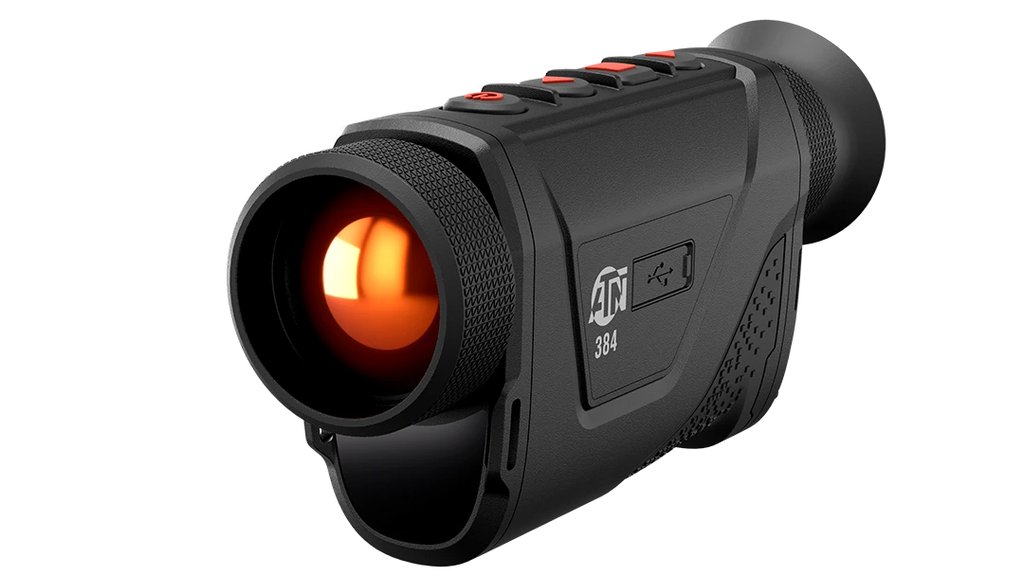
Why ATN's 6th-gen line suits a first thermal
A beginner's thermal should remove friction, not add it, and that's what the 6th-gen line does with the BlazeSeeker 6. The biggest early mistake is buying too much magnification. A high-power monocular gives you a narrow, wobbly view; hold it by hand and every heartbeat swings the picture, and a new user spends the night lost, unable to find anything. The BlazeSeeker 6 starts at just 1.2x, which keeps the view wide and steady so you can sweep a field and actually see what's in it. That low base power is the single most beginner-friendly thing about it.
The wide field of view backs that up. At 24 x 18 degrees, the BlazeSeeker 6 shows you a big slice of ground at once, so scanning feels like looking around rather than peering through a straw. That's how a new user builds the core skill — sweeping slowly, spotting a warm shape, and moving in. SharpIR, ATN's AI image enhancement, then helps by tightening the soft edges thermal footage normally has, so a warm animal reads as a defined shape instead of a fuzzy glow. On a starter device that's genuinely useful: it makes the picture easier to interpret when you're still learning what heat looks like.
The rest of the design keeps things forgiving. Six color palettes — White Hot, Black Hot, Iron Red and a few more — let a beginner try different looks and settle on the one that reads clearest to their eye. An internal rechargeable battery runs about 8 hours, so a first outing won't die early. And at 270 g it's genuinely pocketable, which matters because the monocular you actually carry beats the one you leave at home. Detection reaches 345m — modest by design, but well matched to the close-range scanning a beginner does while they learn, and honest about what a compact starter is for.
Best for beginners: ATN BlazeSeeker 6
The ATN BlazeSeeker 6 is the monocular to start with if you want to learn thermal without fighting your gear. Its low 1.2x base magnification and wide 24 x 18 degree field of view make scanning natural, its 270 g weight makes it easy to carry, and SharpIR AI cleans the picture so a new user can read heat sooner. Detection out to 345m covers the close ground where beginners do most of their early scanning.
Easy to point, easy to learn
The whole design is forgiving to a hand that hasn't learned to hold steady yet. Low base power means the picture doesn't swim every time you breathe, so you keep the target in view while you figure out what it is. The wide field of view means you don't have to sweep in tiny nervous arcs to cover ground — one slow pass takes in a whole fence-line. Together they let a first-timer do the one thing that builds skill fastest: find warm shapes reliably, then close in to identify them. Everything harder comes later, on gear you're ready for.
Simple controls and palettes
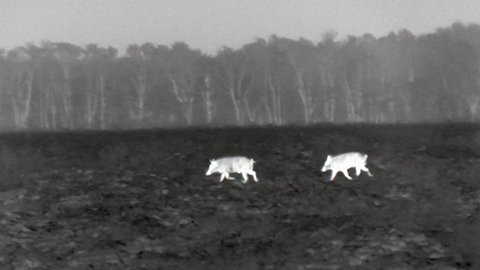
Beginners get overwhelmed by menus, so the value here is that the basics are quick. Six color palettes let you flip between White Hot, Black Hot and Iron Red until you find the view that reads clearest to your eye against grass, dirt or snow — most new users settle on White or Black Hot fast. Hot Point Tracking pins a marker on the warmest object so you don't lose a shape you've spotted, and video and photo recording to 32 GB lets you film a sighting and study it afterward, which is a surprisingly good way to learn what different animals look like in thermal.
Light enough to actually carry
At 270 g the BlazeSeeker 6 is the lightest 6th-gen handheld, and that's not a vanity number for a beginner. A heavy monocular gets left behind or makes a long scan tiring, and a device you don't bring teaches you nothing. This one drops in a jacket pocket and rides on a strap without notice, so you'll actually use it on every walk out. It's IP67 waterproof too, so an unexpected drizzle or heavy dew on that first damp evening won't end the lesson or the device.
Who it's for and who it's not
It's for the first-time thermal user who wants to learn to scan, identify heat and build confidence without overspending or fighting a heavy, high-power optic. It's not for someone who already knows they'll be identifying game at long range on open ground — that buyer should skip ahead. And when you outgrow the BlazeSeeker 6, the path up is clear.
Best to grow into: ATN BlazeHunter XD
The ATN BlazeHunter XD is where a beginner heads once the basics click and they want real detail and reach. It runs a 1280x1024 extreme-definition sensor — over a million more pixels than a 640 core — behind a 50mm lens, with a built-in laser rangefinder and SharpIR AI. Detection stretches to 3400m, and the resolution keeps a distant animal's outline recognizable when you zoom in, which is the leap a starter monocular can't make.
When to make the jump
Move up when you find yourself wanting to identify animals farther than the BlazeSeeker 6 can resolve, or when you start ranging targets for shots and want a real distance number rather than a guess. The BlazeHunter XD's built-in rangefinder reads out to 1000m with +/-1m accuracy, and its dual 18650 batteries deliver 10+ hours so long sessions don't hinge on a charger. It's heavier at 495 g and steps up well in price, which is exactly why it's a second monocular, not a first.
The trade against starting big
You could buy the BlazeHunter XD first, but a beginner rarely uses its detail and reach while they're still learning to find heat, and its higher magnification and weight make the early learning curve steeper. Who it's not for: a brand-new user on a budget who mostly checks close ground — they'll learn faster and spend less starting on the BlazeSeeker 6 and upgrading when they've earned the reach.
How to choose a beginner thermal monocular
For a first thermal, ignore the biggest numbers and judge the device on how easy it is to learn on. A monocular you can point steadily and scan comfortably teaches you more in a month than a long-range unit you can't hold still. Match the choice to what a beginner actually does — close scanning, identifying warm shapes, building habits — not to the hunting you hope to do in two years. Weigh these in order:
- Low base magnification — a 1.2x start keeps the view wide and steady in the hand, so you don't lose targets the moment you move. High power fights a new user.
- Wide field of view — 24 x 18 degrees makes scanning natural and covers ground fast, which is the core skill to build first.
- Weight — 270 g means you'll actually carry it every time out, and the monocular you carry is the one you learn on.
- Simple controls and palettes — six palettes and quick basics let you find a readable view without menu-diving.
- SharpIR AI processing — cleaner edges make heat easier to interpret while your eye is still learning.
- Build and battery — IP67 waterproofing and about 8 hours of runtime mean a first drizzly evening won't cut the lesson short.
How we picked these ATN thermal monoculars for beginners
We looked only at ATN's current 6th-gen line and ranked its handhelds on what makes a first thermal easy to learn on. Base magnification came first, because a low 1.2x start is what keeps the picture steady in an untrained hand; then field of view, because a wide 24 x 18 degree view is what makes scanning feel natural instead of like squinting through a straw; then weight, because a 270 g monocular is one you'll actually carry every outing; and then the processing and controls, because SharpIR AI and six simple palettes let a beginner read heat sooner without fighting menus.
The honest trade-off is reach and resolution. A beginner-friendly monocular is modest on both by design — the BlazeSeeker 6's 256x192 sensor and 345m detection range are matched to close scanning, not long-range identification. That's the right call for learning, but not for everyone. This is an in-house comparison of ATN's own handhelds rather than an independent lab test, so treat these picks as our reasoned read and check the specs against your plans — if you already know you'll be identifying game far out on open ground, the BlazeHunter XD is the better first buy despite the steeper learning curve. Who the BlazeSeeker 6 is not for: an experienced user who needs long-range detail on day one and would quickly bump against its modest range and resolution.
Frequently Asked Questions
What is the best thermal monocular for beginners?
The ATN BlazeSeeker 6 is the best thermal monocular for beginners. At 270 g with a low 1.2x base magnification, a wide 24 x 18 degree field of view and SharpIR AI cleaning the picture, it's the easiest 6th-gen handheld to point, scan and learn on without overspending.
Do beginners need high magnification in a thermal monocular?
No — high magnification usually hurts a beginner. A narrow, high-power view swings with every hand movement and makes it hard to find anything, so a low base power like the BlazeSeeker 6's 1.2x keeps the picture wide and steady while you learn to scan and identify heat.
Is the ATN BlazeSeeker 6 easy to use?
Yes. It has simple controls, six color palettes to pick a readable view, Hot Point Tracking to hold a marker on a warm shape, and video recording so you can study sightings later. Its wide field of view and light weight make it forgiving for a first-time user.
How far can a beginner thermal monocular see?
The BlazeSeeker 6 has a 345m detection range, which suits the close-range scanning beginners do most. Detection means picking up that heat is present; you'll identify an animal closer than that, and a starter monocular is matched to learning rather than long-range work.
When should a beginner upgrade from the BlazeSeeker 6?
Upgrade when you consistently want to identify animals farther out than it can resolve, or when you start ranging targets for shots. The ATN BlazeHunter XD, with its 1280x1024 sensor, 3400m detection and built-in rangefinder, is the natural step up once the basics feel easy.
Is the BlazeSeeker 6 good enough for hunting?
For close-range scanning and learning, yes. It will find and help you identify warm animals at close range and is a fine spotter for a new hunter. For longer identification and ranging on open ground, you'll want the higher resolution and reach of the BlazeHunter XD.
Is the ATN BlazeSeeker 6 waterproof?
Yes, it carries an IP67 rating, so light rain and heavy dew won't harm it. That matters for a beginner because early outings often run into damp weather, and the internal battery gives about 8 hours so a first session won't end early.
Ready to learn thermal without fighting your gear? The ATN BlazeSeeker 6 is light, wide-viewed and simple, so a first-time user finds and reads heat fast. When you're ready for more detail and reach, the BlazeHunter XD is waiting. Browse the full range on the ATN thermal monoculars page and pick the one that fits where you are now.
Created: July 7, 2026 · 19:23:01 UTC