The best thermal monocular for most people isn't the most specialized one - it's the all-around scanner that finds game fast, reads it clearly, and stays light enough to carry every night. For the best thermal monocular in ATN's current line, the ATN BlazeTrek 6 640x512 is that pick: a wide-view 640 handheld that balances scanning speed, image quality, and weight better than anything else in the family.
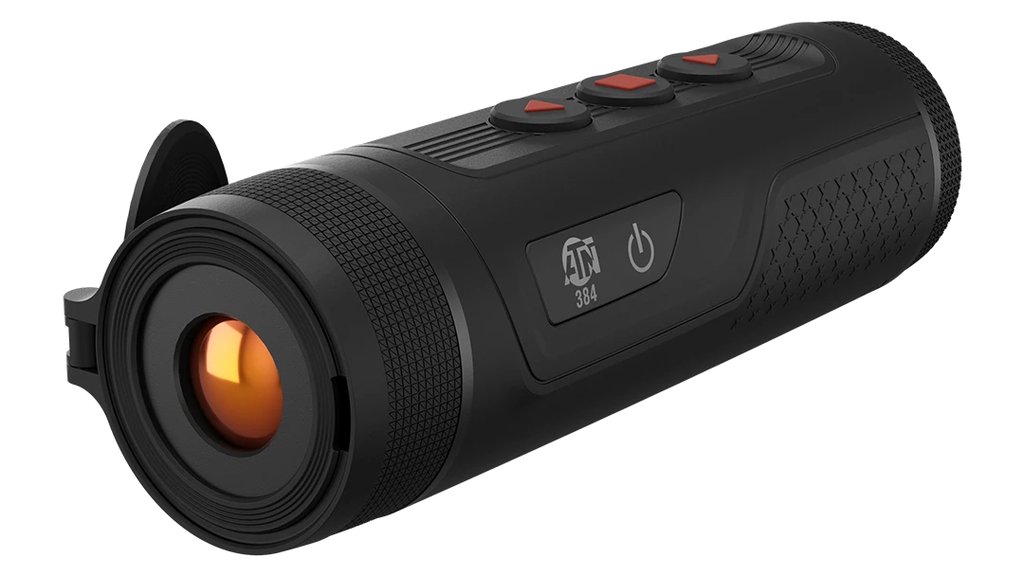
Best for maximum reach: ATN BlazeHunter XD LRF 1280x1024 - highest resolution and a rangefinder for long range.
Best on a budget: ATN BlazeSeeker 6 256x192 1.7-13.6x - a pocketable value scanner.
Why the BlazeTrek 6 is the best all-rounder
The BlazeTrek 6 is the best all-rounder because it balances the traits that matter in a handheld scanner instead of maxing out one. Its low 1.5x start gives the widest field of view in the line, so each sweep covers more ground and fewer animals slip past the edges - and scanning is what a monocular is mostly for. The 640 sensor packs more dots into that wide picture - the HD-versus-standard-definition jump - so a shape stays sharp when you zoom to 12x to confirm, and a NETD of 18mK or better pulls faint heat from a mild background, the measure of how small a temperature difference it can detect.
Weight seals it. At just 320 grams the BlazeTrek 6 is light enough to hold to your eye through a long night without fatigue, which is exactly what a tool you lift dozens of times per stand needs to be. It isn't the longest-reaching monocular, nor the cheapest, but it does more things well - find fast, read clearly, carry easily - than any other single model, which is what makes it the best all-around choice.
Best all-around: ATN BlazeTrek 6 640x512 1.5-12x
The ATN BlazeTrek 6 640x512 is the do-everything handheld. The 1.5x low end gives the widest view for fast, wide sweeps, the 640 sensor keeps that picture sharp so a warm shape stays readable, and 12x confirms what you found. Light and quick to run one-handed, it's the monocular you reach for whether you're scanning for hogs, tracking a wounded animal, or scouting a field before a hunt.
Why a wide view finds more
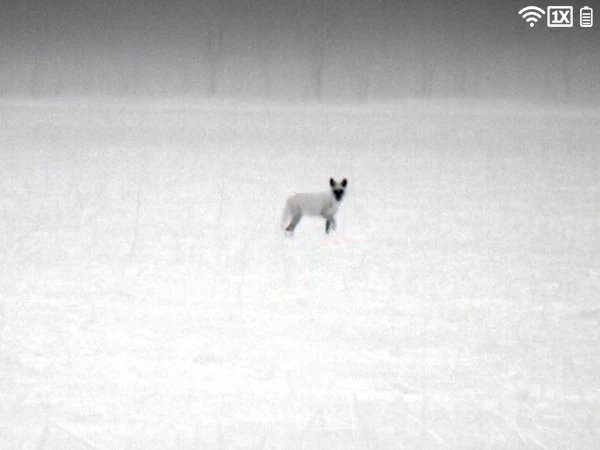
The wider your view, the more ground each sweep covers and the less you miss between passes. The low 1.5x setting takes in a whole field edge at once, catching movement you'd never see through a narrow high-zoom window - which is the core job of a scanner.
Who it's for - and who it's not
It's for the hunter who wants one versatile handheld for finding and tracking game. It's not the pick for reading animals at the very longest range in fine detail - that's the higher-resolution BlazeHunter XD - or for the lowest possible price, where the BlazeSeeker 6 wins.
Best for maximum reach: ATN BlazeHunter XD LRF 1280x1024
The ATN BlazeHunter XD LRF 1280x1024 is the pick when you need long-range detail and ranging. Its ultra-high-resolution sensor keeps distant animals identifiable at zoom, detection reaches past 3,400 meters, and a built-in rangefinder confirms exact distance. It's heavier and pricier and its view isn't as wide, but for reading and ranging game far out, it's the most capable monocular in the line.
Best on a budget: ATN BlazeSeeker 6 256x192 1.7-13.6x
The ATN BlazeSeeker 6 256x192 1.7-13.6x is the value pick for a pocketable scanner. Its 256 sensor detects game at closer and mid ranges, the 13.6x zoom confirms a shape, and at 270 grams it disappears into a jacket pocket. For a hunter who wants an affordable, always-with-you thermal, it's the smart budget choice.
Getting the most from a scanning monocular
Use the wide view the way it's meant to be used. Sweep slowly at the 1.5x low end in a steady, overlapping arc, pausing to let your eye read each section, and resist zooming while you search - high power narrows the view and defeats the purpose. Only push to 12x once a warm shape earns a closer look, then read its shape and behavior to identify it.
Read conditions to squeeze out reach. Cool, dry nights after the ground cools give the best contrast, so animals pop even at a wide setting; on humid nights, slow down and switch palettes. Run a quick calibration when the picture turns grainy, keep the lens clean, and keep a spare battery handy for a long night. The all-around monocular pays off when you use its whole range and hunt the right conditions.
How to choose the best thermal monocular
Choose for balanced scanning ability, not a single extreme. The best all-rounder finds fast, reads clearly, and carries easily.
- Field of view - a low 1.5x start scans widest and finds game fastest.
- Sensor resolution - a 640 keeps the wide picture sharp when you zoom to confirm.
- Weight - a light body is easier to hold through a long scanning session.
- Detection range - match it to your ground; more range spots game sooner.
- Battery life - enough runtime for a full night, with a spare for long sits.
Pairing the scanner with your hunt
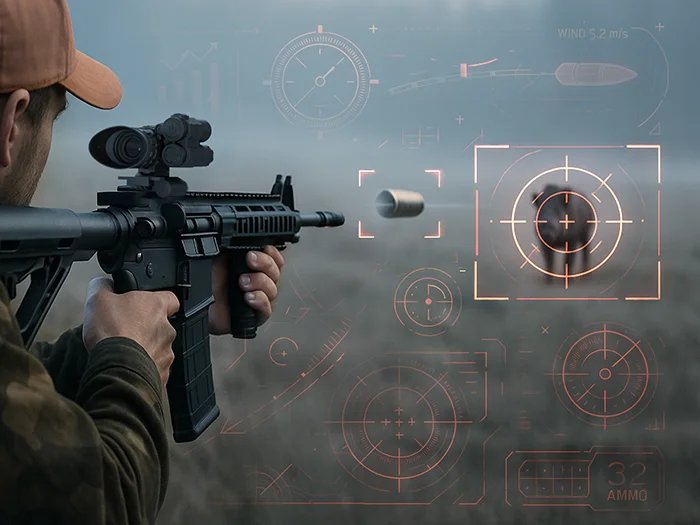
A monocular's job is to find, and it works best as half of a two-piece approach. You scan and locate game with the handheld BlazeTrek 6, then bring your rifle optic to bear for the shot - which is faster and far safer than searching the dark through a mounted scope. Whether your rifle wears a thermal scope, a day/night optic, or a clip-on, the all-around monocular does the looking so the sight can do the shooting, and that division is how experienced hunters actually run the night.
Its versatility shows across jobs, not just hunting. The same wide-view scanner tracks a wounded animal by its heat trail, recovers downed game after a shot, scouts a property to learn where animals move, and checks livestock or predators along a fence line. Because it reads heat rather than light, it does all of that day or night, which makes it one of the most-used pieces of gear a hunter or landowner owns once they have one in hand.
Think of it as a tool you will grow with rather than replace. The BlazeTrek 6 is capable enough that a new user won't outgrow it quickly, and if your needs later push toward maximum long-range detail, a higher-resolution unit like the BlazeHunter XD complements it rather than making it obsolete - you scan wide with the Trek and reach far with the XD. As a first or only monocular, the all-around 640 is the one that keeps earning its place.
Weight is the quiet reason an all-rounder gets used. At 320 grams the BlazeTrek 6 is light enough to hold to your eye through a long night without your arm giving out, and a scanner you can comfortably keep looking through is one that actually finds game. Plenty of capable monoculars end up left behind because they're a chore to hold; this one doesn't, which is a bigger deal in the field than any single number on the spec sheet.
How we picked these ATN monoculars
We compared only ATN's current 6th-generation thermal monoculars and judged them against the keyword's real use rather than a spec sheet, weighing sensor resolution and NETD, magnification, detection range, weight, and battery life. The honest trade-off is versatility versus specialization: the BlazeTrek 6 does the most things well but isn't the longest-reaching or the cheapest, so a pure long-range or budget buyer may prefer a focused model. This is an in-house comparison of ATN's own range, not an independent lab test, so weigh the picks against your own needs.
Frequently Asked Questions
What is the best thermal monocular?
The ATN BlazeTrek 6 640x512 1.5-12x for all-around use. Its wide 1.5x view scans fast, the 640 sensor keeps shapes sharp when you zoom, and at 320 grams it's light enough to carry and use all night.
Why is a wide field of view important?
A wider view covers more ground per sweep, so you find game faster and miss less between passes. A narrow high-zoom view makes scanning slow and easy to overlook animals just outside the frame.
Do I need a 640 sensor in a monocular?
For the sharpest picture that holds detail when you zoom, yes. A 640 keeps a shape readable at range; a lighter 256 like the BlazeSeeker is fine for closer, budget scanning.
Which monocular is best for long range?
The BlazeHunter XD LRF, with its ultra-high-resolution 1280x1024 sensor and built-in rangefinder. It reads and ranges game far beyond what a wide all-around scanner is for.
Can I use a monocular to aim and shoot?
No, it's a scanner for finding and confirming game, not a rifle sight. Spot with the monocular, then use your rifle optic to make the shot.
How heavy is the BlazeTrek 6?
About 320 grams, light enough to hold to your eye comfortably through a long scanning session, which matters in a handheld you lift repeatedly.
Does it work in daylight?
Yes. Thermal reads heat, not light, so the BlazeTrek 6 finds game day or night, which also makes it a useful scouting tool between hunts.
Does the BlazeTrek 6 work in daylight?
Yes. Thermal reads heat rather than light, so it finds game day or night, which also makes the BlazeTrek 6 a useful scouting tool between hunts as well as an after-dark scanner.
Find more game with the do-everything scanner. See the ATN BlazeTrek 6 640x512 and compare it across the ATN thermal monocular lineup to match field of view, reach, and weight to your hunting. Scan wide, confirm with zoom, and spot animals you used to walk right past.
Created: July 8, 2026 · 11:06:18 UTC