Carrying a separate camera into the field just to film what you see is a fast way to miss the moment. If you want to record what is in front of you — a stag at dawn, a coyote working a fence, a herd moving across a pasture — the smart move is a pair of binoculars that films it for you, in high resolution, without adding a second device to your load. That is where the ATN Binox-6 Dual 640 shines: it packs a 4K Ultra HD day sensor and 64 GB of onboard storage into a body that weighs about 1.6 lbs, so you capture sharp footage on the move and keep both hands free. Here is why it leads for portable recording, and how the 384 model compares.
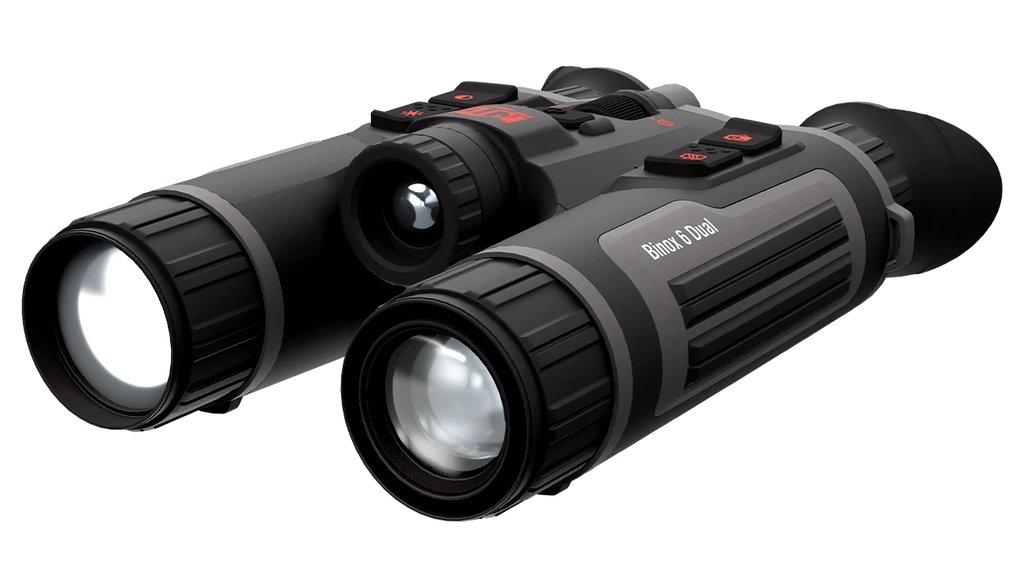
For portable recording in 4K, the best thermal binoculars are the ATN Binox-6 Dual 640x512. A 4K Ultra HD (3840x2160) day sensor captures crisp daytime footage, 64 GB of built-in storage holds hours of clips without a memory card, and the whole unit weighs about 1.6 lbs — so you record sharp video anywhere without carrying a separate camera.
Quick answerBest overall for portable 4K recording: ATN Binox-6 Dual 640x512 3-24x — 4K day sensor, 64 GB storage, and a light, sharp thermal channel for night clips.
Best for filming distant subjects: ATN Binox-6 Dual 384x288 5.5-44x — higher zoom to fill the frame with a far-off animal you are recording.
Bottom line: both record in 4K on the day channel and store to the same 64 GB; the 640 gives a sharper thermal picture at night, the 384 gives more zoom for distant subjects.
Why ATN's 6th-gen Binox-6 records so well on the move
Portable recording asks for three things: image quality, somewhere to keep the footage, and a body light enough to carry all day. The 6th-gen Binox-6 covers each. Its day channel uses a 4K Ultra HD (3840x2160) CMOS sensor — four times the detail of ordinary HD, so daytime clips come out crisp enough to review frame by frame. On the thermal side, the 640 model's 640x512 sensor puts more dots in the picture the way an HD screen beats an old TV, keeping night footage clean rather than blocky. Everything writes to 64 GB of built-in storage, which means you are not fumbling with tiny cards in the field — you just record and offload later over the ATN Connect 6 app or USB-C. And the whole thing weighs about 1.6 lbs, light enough to hang on your chest and lift for a quick clip without it becoming a chore. A <=15mK NETD keeps the thermal image sensitive in damp air, so the footage holds up when the weather does not.
Best overall for portable 4K recording: ATN Binox-6 Dual 640
The ATN Binox-6 Dual 640 is the best all-round pick for filming in the field because it records well in both light conditions and stores it all on board. In daylight the 4K sensor captures fine detail — fur, antler tines, the texture of a distant hillside. After dark the 640x512 thermal channel keeps a warm animal sharp on screen, so your night clips are worth keeping.
4K detail, 64 GB to hold it
The 4K day sensor is the reason the footage looks good; the 64 GB of built-in storage is the reason you can shoot a lot of it. No swapping cards, no running out mid-session — you record hours of clips and pull them off later. It also connects over Wi-Fi through the ATN Connect 6 app, so you can review and transfer footage from your phone.
Light enough to always have ready
At about 1.6 lbs, the Binox-6 is easy to keep on your chest and raise the instant something happens, which is the whole point of portable recording — the camera has to be there when the moment is. The built-in rangefinder and GPS also let you tag distance and location to a memorable clip. Who it is for: anyone who wants to film wildlife or the field, day or night, without hauling a separate camera. Who it is not for: someone who never records and only ever needs to look.
Smooth footage, six looks to record in
The 50 Hz refresh rate matters more for recording than most people expect. A faster refresh keeps a moving animal smooth rather than smeared across the frame, so your clip of a coyote trotting a fence line or a deer crossing a gap plays back clean instead of blurry. The six color palettes — White Hot, Black Hot, Iron Red, and the rest — also give you creative and practical choice: some palettes read a warm animal against cool ground better than others, and you can pick the look that shows your subject most clearly before you hit record. Because you can review the clip right there on the device or over the app, you can adjust and re-shoot while the subject is still in front of you rather than discovering a bad take back home.
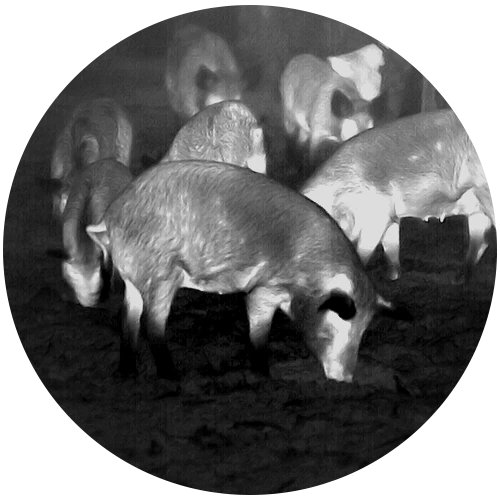
Best for distant subjects: ATN Binox-6 Dual 384 5.5-44x
The ATN Binox-6 Dual 384 pushes magnification to 5.5-44x, which matters when the thing you want to film is far away. The higher zoom fills the frame with a distant animal so your footage shows the subject large instead of as a speck in a wide shot. It records to the same 4K day sensor and the same 64 GB storage as the 640, so the recording capability is identical — only the reach differs.
When zoom makes the clip
For filming shy wildlife you cannot approach, or subjects across open country, the 384's reach turns a distant blur into a framed shot. Who it is for: recorders focused on far-off subjects who want maximum zoom. Who it is not for: anyone filming closer scenes, where the 640's sharper thermal picture and wider base view serve better.
Getting footage worth keeping in the field
The difference between usable footage and a shaky mess usually comes down to a few field habits that the Binox-6 supports. Bracing the binoculars on a rest — a pack, a fence post, the truck window — steadies the shot the way a tripod would, and because the unit is light you can hold it steady handheld longer than a heavy camera. Picture-in-picture lets you keep a wide view while a zoomed inset tracks your subject, so you can frame a distant animal without losing track of where it is in the scene. And because you can record either the 4K day channel or the thermal channel, you capture the right look for the light: crisp detail in daylight, clean heat signatures after dark.
Storage discipline matters too. With 64 GB on board you rarely fill the card in a session, but the smart move is to offload to your phone over the ATN Connect 6 app between outings so the good clips are backed up and the device stays ready. Hot Point Tracking can keep a moving warm subject marked while you record, which helps when you are filming an animal working across a field and want the footage to follow it. None of this requires a second operator or a rig full of accessories — the point of portable recording is that one light device does the filming while you keep hunting or watching, and the Binox-6 is built around that idea.
How to choose thermal binoculars for portable recording
For recording in the field, lead with image quality and storage — footage you cannot see clearly or cannot keep is footage wasted. Then weigh portability and reach. What to look at:
- Recording resolution — a 4K day sensor captures far more detail than plain HD, so daytime clips hold up when you review them.
- Onboard storage — 64 GB built in means you record for hours without swapping or losing tiny cards in the field.
- Thermal resolution — a 640 sensor keeps night footage sharp; a lower-resolution picture turns blocky when you zoom.
- Weight — near 1.6 lbs, the binoculars stay ready on your chest so you never miss a moment fetching a camera.
- Wireless transfer — a companion app lets you review and offload clips from your phone without a computer.
- Zoom vs picture — the 384 fills the frame with distant subjects; the 640 gives the sharper all-round image.
How we picked these ATN thermal binoculars
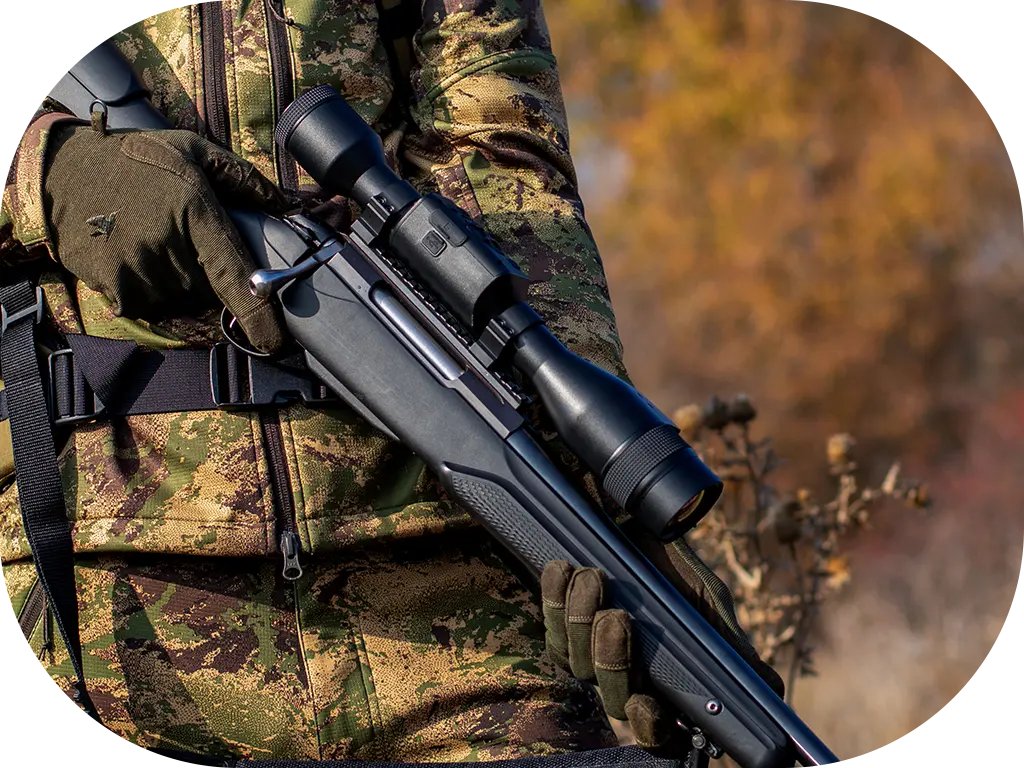
We judged these on how well they capture footage you actually carry and use, not on lab charts. That put recording resolution, onboard storage, weight, and wireless transfer at the top, weighed against the need to film day or night without a second camera. We considered only the current 6th-gen ATN Binox-6 line, then split the pair honestly: both record in 4K to the same 64 GB, but the 640 gives a sharper thermal picture for night clips while the 384 gives more zoom for distant subjects at the cost of some resolution. Neither replaces a dedicated cinema rig for professional production, and neither earns its keep for someone who never records. This is an in-house comparison of ATN's own range, not an independent lab test, so match the recording strengths to the subjects and distances you shoot.
Frequently Asked Questions
Do the ATN Binox-6 binoculars really record in 4K?
Yes. Both Binox-6 Dual models use a 4K Ultra HD (3840x2160) CMOS day sensor, so daytime footage is captured in true 4K. The thermal channel records at its own resolution for night clips, and the 640 model's 640x512 sensor keeps those sharper.
How much footage can they store?
Each model has 64 GB of built-in storage, so you can record hours of clips without a separate memory card. You offload the footage afterward over the ATN Connect 6 app or a USB-C connection.
Are they light enough to carry all day for filming?
Yes. Both weigh about 1.6 lbs, light enough to hang on your chest and raise quickly whenever something worth recording happens. Keeping the optic ready is the point of portable recording.
Can I transfer clips to my phone?
Yes. The Binox-6 connects over Wi-Fi through the ATN Connect 6 app, so you can review and transfer your recordings straight to your phone without a computer. USB-C offload is also available.
Should I get the 640 or the 384 for recording?
Get the 640 for the sharpest all-round footage, especially at night, and a wider base view. Choose the 384 if you film distant subjects and want the extra 5.5-44x zoom to fill the frame with a far-off animal.
Can I record at night as well as during the day?
Yes. The Binox-6 is a 4-in-1 day, night, thermal, and twilight unit, so it records in daylight with the 4K day sensor and in the dark with the thermal channel. That means one device films around the clock.
Want to film what you see without hauling a camera too? The ATN Binox-6 Dual 640 gives you a 4K day sensor, a sharp thermal channel for the dark, and 64 GB of onboard storage in a body light enough to keep ready all day. Record the moment, tag it with distance and location, and pull the clips to your phone over the app. See how it stacks up against the higher-zoom 384 and the full range on the ATN thermal binoculars page, and pick the pair that frames the subjects you film.
Created: July 7, 2026 · 19:22:58 UTC