Finding the best thermal binoculars for the money hog hunting comes down to which feature you refuse to compromise on. Two ATN Binox-6 variants share most of their DNA, so the honest way to choose is to weigh them feature by feature and see where each budget goes. This comparison sets the Binox-6 Dual 640x512 3-24x against the Binox-6 Dual 384x288 5.5-44x across the four features that actually change a hog night.
Verdict by feature: the 640x512 wins on sensor sharpness and detection reach; the 384x288 wins on top-end zoom and value. The rangefinder, GPS, 4-in-1 vision and roughly 8-hour battery are identical, so the best-for-the-money pick is whichever of those two contested features matters more on your ground.
Feature 1: sensor resolution
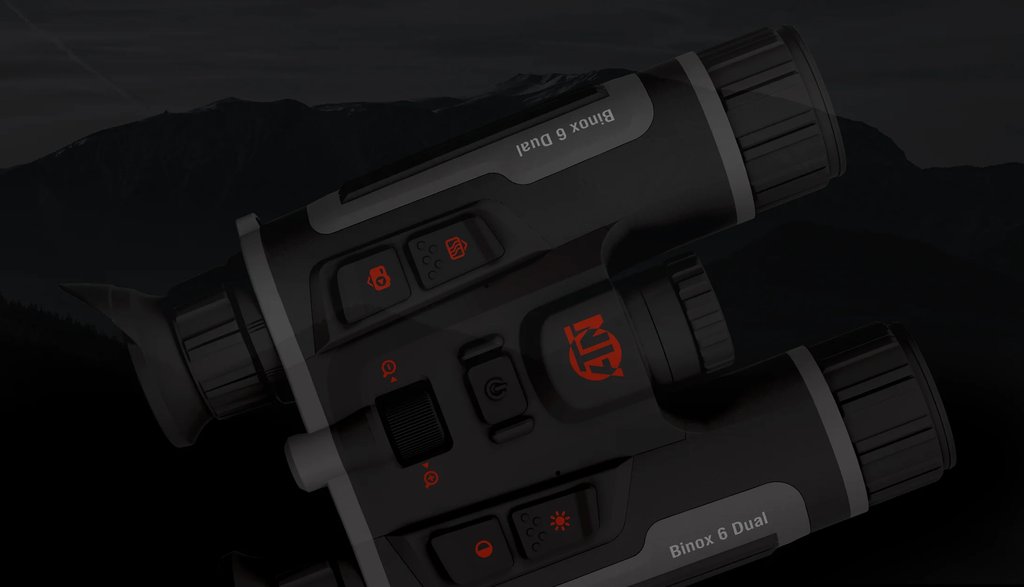
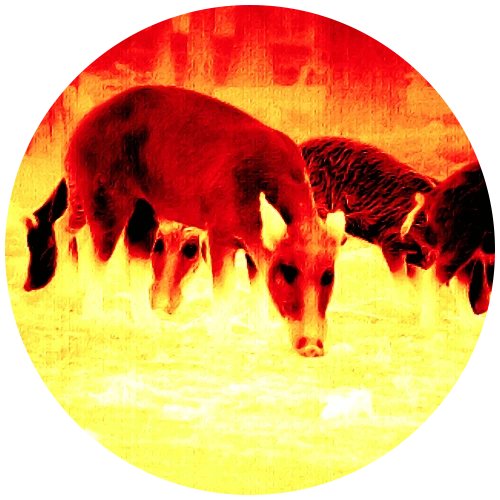
Sensor resolution is the feature that most separates value from flagship. The 640x512 3-24x packs more pixels onto each hog — the standard-definition-to-HD jump — so a pig stays a recognizable animal deeper into the zoom and farther out. Think of it like an old TV next to a modern one. On the 640 you can tell a boar from a sow, count a sounder, and see which pig is quartering away. The 384x288 is still a clean, usable image at typical hog distances, but it softens sooner when you stretch magnification. Both sensors are tuned for the same thermal sensitivity — a NETD of 15 mK or better — so faint heat differences still show up on either one. That matters on a cool night when a hog's back and the dirt behind it are close in temperature. Where the 640 pulls ahead is fine detail: more pixels means more of that heat gets drawn as a sharp shape instead of a warm blob. If identification at range is the feature you value most, resolution points squarely at the 640.
Feature 2: zoom band
Zoom is the feature where the value variant actually leads. The 384x288 5.5-44x tops out at 44x against the 640's 24x, so for dwelling on a distant sounder to count heads it gives you more magnification for less money. The catch is that digital zoom only enlarges the pixels already captured, so past a point the sharper 640 sensor makes better use of moderate zoom than the 384 does of extreme zoom. Value shoppers who inspect at moderate range get real mileage from the 384's top end.
Feature 3: detection range and rangefinder
Detection range is where the 640 edges ahead, reaching 3100 m to the 384's 2750 m — meaning it registers a heat signature farther out on open ground. That 350 m gap sounds small, but on a big cut field it can be the difference between spotting a sounder as it steps out and never knowing it was there. Detection is not the same as ID, though. Both units flag the heat long before you can name the animal, so treat those numbers as scanning reach, not shooting distance. The built-in laser rangefinder is identical on both: good to 1000 m with about a meter of accuracy, so once you glass a pig you get the same dead-on range readout whichever you buy. Ranging a sounder for the stalk feels exactly the same, and that shared rangefinder is a big part of why either counts as good value. You are not paying extra on the 640 for a better ranging tool — you are paying for the sensor.
Feature 4: battery and shared tech
Battery and the wider toolkit are a wash, which is good news for a value comparison. Both run roughly 8 hours on two swappable 18650 cells. Swappable is the word to hang onto — when a set runs low you drop in a fresh pair and keep hunting, so a couple of spare cells in your pack cover an all-night sit on either model. That beats a sealed battery you have to charge and wait on. Both also carry GPS, a compass, an IR illuminator, a 4K day sensor and 4-in-1 vision, so you glass at dusk, switch to thermal at full dark, and mark where a sounder crossed the fence — all on the same unit. No matter which feature decides your pick, you are not giving up the core kit. The money question is only about sensor sharpness versus top-end zoom and reach.
When to choose the 640x512 3-24x
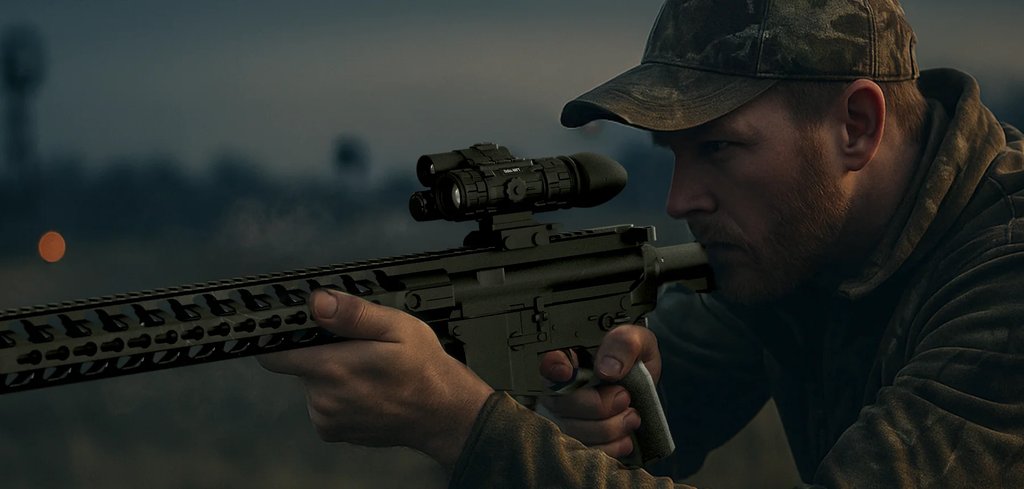
Choose the 640 when sensor sharpness and reach are the features you will not compromise. If you identify pigs at the far edge of open ground, glass long distances, or want the cleanest possible image as you zoom, the flagship spends your money where it counts. Picture a big sendero or a harvested bean field where hogs step out 400 yards away. On the 640 you can hold on that far edge, tell the sounder from a lone coyote, and count heads before you ever move. The sharper sensor keeps that image honest as you push the zoom to confirm. For hunters who genuinely work distance, that is the best-for-the-money pick.
When to choose the 384x288 5.5-44x
Choose the 384 when top-end zoom and outright value are your priorities. If you mostly count and confirm sounders at moderate range and want the most magnification per tier of spend, the 384 delivers — same rangefinder, same 4-in-1 vision, for less. Picture tight river-bottom timber and small food plots where pigs show up 80 to 150 yards out. You do not need 3100 m of reach there. You need to dwell on a sounder rooting at the edge of the trees and count them, and the 384's 44x top end lets you crank in and do exactly that. For a lot of hog hunters working close, thick country, that is simply the smartest money.
Our recommendation
For the best value overall we lean to the Binox-6 Dual 640x512 3-24x, because sensor sharpness is the one feature you cannot add later and it protects your long-range calls — but the 384 is the honest pick if reach never comes into play on your ground. Line them up inside ATN's thermal binoculars range, decide whether resolution or top-end zoom matters more to you, and the best-for-the-money answer resolves itself.
How we compared them
This is an in-house, ATN-vs-ATN comparison of the two Binox-6 variants, not an independent lab review, so use it to weigh features against each other and confirm the figures against your own hunting. We held the comparison to the features that change a hog night — sensor resolution, zoom band, detection range, the rangefinder, battery and weight — across only the current 6th-gen line. The honest trade-off is that no single unit wins every feature: the 640 takes sharpness and reach, the 384 takes top-end zoom and value, and the rest is shared. Who this is not for: a buyer who wants one flat 'best' verdict rather than choosing by the feature they value most.
Frequently Asked Questions
Which feature matters most for hog hunting value?
Sensor resolution, if you hunt at range, because it is the one feature you cannot upgrade later. If you work moderate range, top-end zoom and price matter more, which favours the 384.
Does the 384 really zoom higher than the 640?
Yes, 44x versus 24x. But zoom only enlarges captured pixels, so the sharper 640 sensor often gives a cleaner image at moderate zoom than the 384 does at extreme zoom.
Is the rangefinder different between the two?
No. Both have the same built-in laser rangefinder, good to 1000 m with about a meter of accuracy, so ranging a sounder is identical on either variant.
Which detects hogs farther?
The 640x512 3-24x, at 3100 m versus 2750 m. Detection means spotting a heat signature is present; clear identification happens well inside those numbers on either unit.
Do both last a full night?
Yes. Both run about 8 hours on two 18650 cells, and since the cells are swappable, carrying spares covers an all-night hog sit on either model.
For pure value, which should I buy?
The 384x288 5.5-44x, if you hunt moderate range and want maximum zoom per tier of spend. Step up to the 640 only when long-range sensor sharpness is a feature you truly need.
Will either work in thick timber and not just open fields?
Yes. In close, brushy country you rarely use the full detection range anyway, so both do fine. The 384's higher 44x top end can even help you pick a hog out of clutter at short range, which makes it a strong tight-cover pick.
What thermal sensitivity do these run, and does it matter for hogs?
Both use a sensor rated at a NETD of 15 mK or better, meaning they read tiny heat differences. That helps on cool nights when a pig and the ground behind it are close in temperature, so faint signatures still stand out on either variant.
Weighed the features that matter to you? For the sharpest sensor and longest reach, look closer at the ATN Binox-6 Dual 640x512 3-24x, or compare it feature by feature against the value 384 across ATN's thermal binoculars range. The best-for-the-money pick is simply the one that nails the feature you refuse to give up.
Created: August 5, 2026 · 19:53:40 UTC