Two ATN thermal binoculars keep coming up when coyote hunters ask for the best thermal binoculars for the money for coyote hunting: the Binox-6 Dual 640x512 3-24x and the Binox-6 Dual 384x288 5.5-44x. They share the same body, the same ≤15 mK sensitivity and the same built-in rangefinder, so the real question isn't which is better in a vacuum — it's which one matches the way you actually hunt dogs. This is a straight ATN-vs-ATN comparison built around real coyote use-cases, so you can see where each earns its money and where it doesn't.
For most coyote hunters the best value is the ATN Binox-6 Dual 640x512 3-24x: its 640x512 sensor gives faster, more certain identification of a small, called-in dog, and the wide 3x low end keeps circling coyotes in the frame. Choose the Binox-6 Dual 384x288 5.5-44x if you hunt wide-open country and want more top-end zoom for a lower price. Both range to 1000 m and cover day, twilight and night.
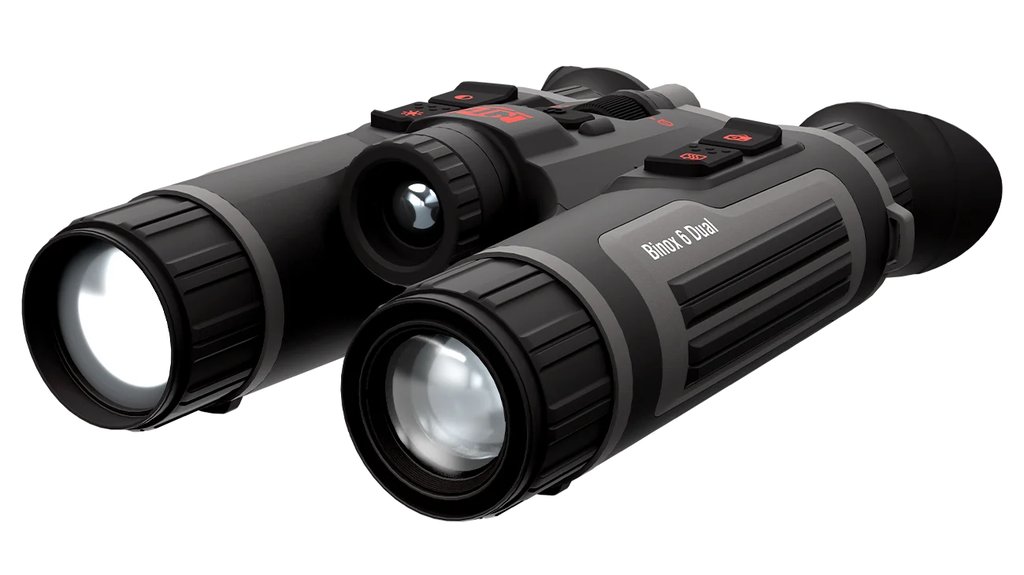
The two ATN options, side by side
How the Binox-6 Dual 640x512 3-24x works
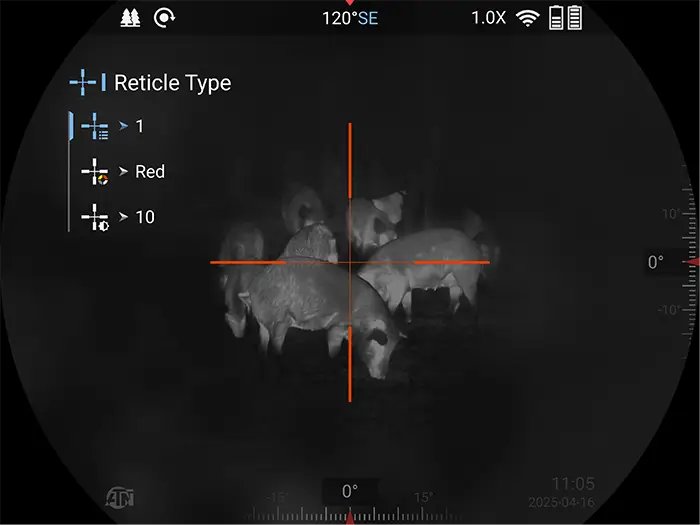
The ATN Binox-6 Dual 640x512 3-24x works by throwing a lot of thermal pixels at the problem. Its 640x512 detector reads roughly four times the heat data of a 384 core — the jump from standard definition to HD — so a coyote's ears, tail and gait resolve early, letting you distinguish a dog from a fox or a house cat before you shoulder up. The 3x low end matters more than the numbers suggest for coyotes: a wide field keeps a downwind-circling dog inside the frame while you track it. Tap the built-in rangefinder and the distance appears on the same display, so you range and identify in one motion. It's the fuller-featured, flagship-tier tool.
How the Binox-6 Dual 384x288 5.5-44x works
The ATN Binox-6 Dual 384x288 5.5-44x takes a different route to value: it keeps the same ≤15 mK sensitivity and the same 1000 m rangefinder, but pairs a 384x288 sensor with a taller 5.5-44x zoom to land at a lower price. That extra top-end magnification lets you study a faint heat signature far across a bare field and decide whether it's worth a stand before you move. The 384 sensor still resolves a coyote cleanly at realistic distances; you're simply trading some fine detail for reach and savings. Its higher 5.5x base means a slightly narrower widest field, which is a fair trade if your hunting is more spot-and-glass than close calling.
When to choose the 640x512 3-24x
Choose the 640 when your coyote hunting is about fast, certain identification and catching dogs that work in close. If you call over brushy edges, timber lines, or cut fields where a coyote can appear at 80 yards and circle, the finer sensor and the wide 3x field are worth the flagship spend — you'll ID and range before the dog reads you. It's the better tool in low-contrast conditions too, like a warm summer night, where extra sensor detail pulls the animal out of hot ground. It's not the pick if your whole game is glassing distant flats and you want maximum magnification for the least money.
When to choose the 384x288 5.5-44x
Choose the 384 when you hunt open country and want reach and ranging without paying flagship price. On big picked fields and desert flats, the 44x top end lets you scrutinize a signature at long distance before committing, and the money you save is real. The 384 sensor is entirely capable of confirming a coyote at the ranges you'd actually shoot one. It's not the best choice for close, fast-moving encounters in cover, where the 640's wider low-end field and finer detail give you a clearer, quicker read.
Our recommendation
For the best thermal binoculars for the money for coyote hunting, our pick is the ATN Binox-6 Dual 640x512 3-24x. Coyotes are small, cagey targets that often commit in close, and the 640's faster identification plus its wide scanning field prevent the most common failure — hesitating on an ID until the dog is gone. It also holds up better on hard summer nights. If your hunting is mostly long glassing on open ground, or your budget is firm, the 384x288 5.5-44x is a genuinely strong value that keeps the ranging and adds zoom. Either way, start on the ATN thermal binoculars page and match the sensor and zoom to your terrain.
How we compared them
This is an in-house comparison of two models from ATN's own current 6th-generation Binox-6 line, not an independent lab review. We held the shared traits constant — the ≤15 mK sensitivity, the built-in 1000 m rangefinder, the 4-in-1 day/night/thermal/twilight modes and the roughly 8-hour swappable battery — and compared only what actually differs for a coyote hunter: sensor resolution for identification speed, the low and high ends of the zoom range for scanning versus reaching, and detection distance. We weighted fast, certain ID heavily because misjudging a small target at night is the real risk, which is what tips our recommendation to the 640. Neither is right if you only want a cheap viewer with no ranging. Compare these specs against your own ground and honest shooting distances before you decide.
Frequently Asked Questions
Which is the better value for coyotes, the ATN Binox-6 640 or 384?
For most coyote hunters the 640x512 3-24x is the better overall value despite its higher price, because faster and more certain identification of a small dog prevents missed opportunities. The 384x288 5.5-44x is the stronger value if you hunt open flats and want more top-end zoom for less money. Both share the same rangefinder and sensitivity, so the choice comes down to terrain and budget.
Does the 640 sensor really matter for something as small as a coyote?
Yes. A coyote is a low-mass target, so the extra resolution of the 640x512 sensor helps you confirm ears, gait and body shape sooner and tell a dog from a fox or cat. That matters most in cover and in low-contrast summer heat. On easy winter fields the 384x288 already sees a coyote clearly.
Why does the 640 have less top-end zoom than the 384?
The 640x512 3-24x is tuned for a wider low-end field to catch close, circling coyotes, while the 384x288 5.5-44x trades sensor resolution for a taller 44x ceiling aimed at long glassing. Neither approach is wrong; they suit different hunting styles. Pick the wide low end for close work and the tall top end for open-country observation.
Do both have the built-in rangefinder?
Yes, both the 640x512 and the 384x288 models include a built-in laser rangefinder that reads to 1000 m with about ±1 m accuracy. Confirmed distance is the key feature for ethical shots on a small target, so it is standard on both. That is a big part of why these two lead any value comparison for coyotes.
Is the price difference worth it?
It is worth it if your hunting rewards fast identification and close-range scanning, where the 640 pulls ahead. If you mostly glass long distances on open ground, the 384 delivers nearly the same practical result for less, making it the smarter spend for that style. Match the model to how you hunt rather than to the price alone.
Can either model handle daytime coyote scouting?
Both are 4-in-1 units with a 4K CMOS day sensor plus twilight, night and thermal modes, so either handles daytime scouting and nighttime hunting. You can learn a field's layout in daylight and return with the same optic after dark. That versatility is part of what makes them good value rather than single-purpose tools.
Between these two ATN thermal binoculars, the money follows how you hunt. If coyotes come to your call in close and fast, the ATN Binox-6 Dual 640x512 3-24x is the value pick — quicker ID, wider scanning field, better on hot nights. If you glass long across open ground on a firmer budget, the 384x288 5.5-44x keeps the rangefinder and adds reach for less. See both, side by side, on the ATN thermal binoculars page and choose the one that fits your country.
Created: August 5, 2026 · 19:53:40 UTC