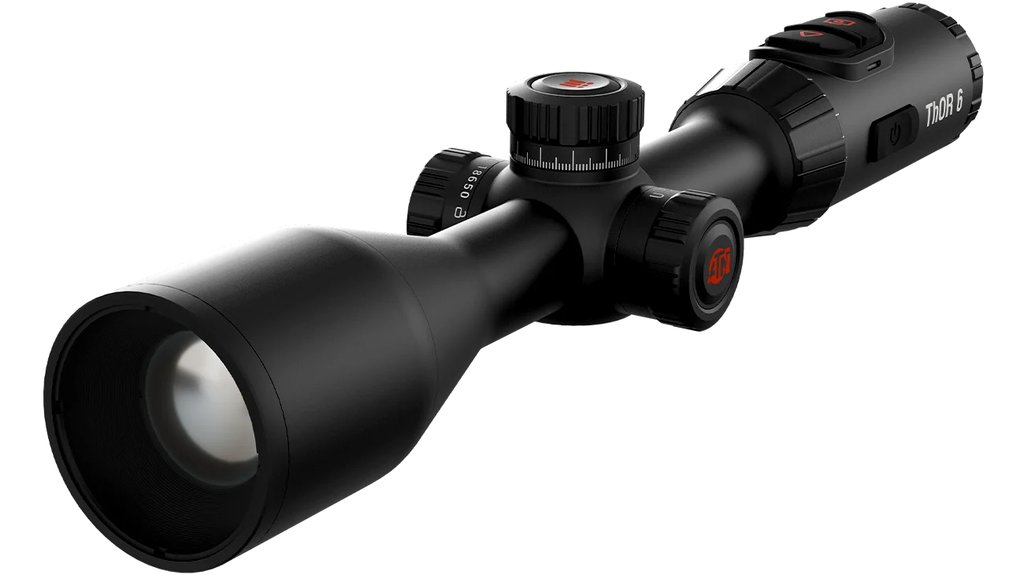
The season changes what a long-range optic has to fight through — winter's clean cold contrast, summer's humid, heat-soaked air, the swing of spring and fall. The best long range thermal scope is the one that reads your ground in the conditions you actually hunt. This roundup sorts ATN's 6th-generation thermal scopes by the season they shine in. The year-round anchor is the ThOR 6 640x512 3-24x, and every pick is an ATN model.
Best for humid summer nights: ThOR 6 640x512 2-16x — full 640 sensitivity with hot-swap power for long sits.
Best for the shoulder seasons: ThOR 6 384x288 2.5-20x — light and versatile for changeable conditions.
Why the season shapes long-range thermal performance
Thermal reads the temperature gap between an animal and its background, and the season swings that gap wildly. On a cold winter night a warm animal blazes against frozen ground, so contrast is easy and reach is at its best. On a humid summer night the air is thick with heat and moisture, both of which scatter the signal and shorten range — this is when a low NETD earns its keep. Spring and fall sit in between, changeable from one night to the next. Every ThOR 6 here carries the same weapons against those conditions — a 640-class sensor tech, SharpIR AI, a 50 Hz refresh, an <=15mK NETD and roughly 9 hours of runtime — so the pick comes down to which season you hunt hardest.
Best for winter cold and open range: ThOR 6 640x512 3-24x
Winter is when reach is easiest to use, and the ThOR 6 640x512 3-24x makes the most of it. Against frozen ground a warm animal stands out sharply, so the 3650m detection range and tight high-end zoom let you find and identify a target far across open winter country.
How it reads the season
Cold clean air is thermal's friend, and paired with the 640 sensor the picture at distance is at its crispest. This is the scope for the hunter who lives for hard winter nights on open ground, where the extra reach turns straight into more shot opportunities.
Best for humid summer nights: ThOR 6 640x512 2-16x
Summer is when sensitivity matters more than raw reach, because humid air narrows the temperature gap. The ThOR 6 640x512 2-16x keeps the full 640 sensor and <=15mK NETD to cut through that murk, while its replaceable 18650 batteries suit the long, warm sits summer invites.
How it reads the season
On a muggy August night the low NETD keeps an animal readable when a lesser sensor would flatten it into the background. The wider low end helps you scan patiently, and hot-swap cells mean a long summer stand never ends on a dead battery.
Best for the shoulder seasons: ThOR 6 384x288 2.5-20x
Spring and fall change night to night, and a light, adaptable rig handles that best. The ThOR 6 384x288 2.5-20x at 790 g / 1.74 lbs detects to 2300m and carries six colour palettes, so you can retune contrast as the conditions shift.
How it reads the season
When one evening is cold and the next is warm and damp, the palette options let you adapt the picture instead of fighting it, and the lighter body suits the roving, opportunistic hunting the shoulder seasons reward. It is the versatile all-rounder for a changeable year.
What the seasons demand of a long-range sensor
A long-range thermal picture is only ever as good as the temperature gap the season hands you, and that gap is not fixed. In deep cold the gap is wide and forgiving, so the sensor spends its headroom on resolving fine detail far out — this is when the 640-class resolution and the 3650m detection range of the 3-24x feel almost effortless. As the year warms the gap narrows, and the same sensor now spends its effort just separating the animal from a warm background; the <=15mK NETD is the reserve it draws on to keep that separation clean. This is why a scope that feels razor-sharp in February can feel like it is working harder in August even though nothing about the hardware changed. Understanding that swing is the difference between blaming your glass and simply reading the night the season gave you. Every ThOR 6 here carries the same 50 Hz refresh and SharpIR AI processing, so the picture stays smooth on moving quarry year-round; what shifts is how much of the sensor's sensitivity the weather is quietly consuming before you ever raise the rifle.
Matching runtime and power to the calendar
The roughly 9 hours of runtime every ThOR 6 quotes is a fair-weather figure, and the season bends it. On a mild autumn night you will see close to it; on a hard winter freeze the 18650 cells give up capacity to the cold and you will see less, sometimes noticeably. That is not a fault of the scope — it is chemistry — but it changes how you pack. The 2-16x's replaceable 18650 system is the answer for anyone who hunts the cold hard: a spare pair in a warm inner pocket, swapped in seconds, and the night carries on. Warm months are gentler on the battery but harder on you and the sensor, so the trade-off flips — power is rarely the limiter in summer, contrast is. Building your kit around the season rather than a single spec sheet number is what keeps a long sit from ending early, whatever month it is.
Weight, carry and the roving shoulder-season hunt
Seasons change how you move as much as how you see. Deep winter often means a set-up on a known crossing where the 830 g / 1.83 lbs of a 640 variant rides fine on a rest all night. The shoulder seasons reward roaming, and here the 790 g / 1.74 lbs of the 384 keeps a light rifle balanced and quick to shoulder as you still-hunt from one likely spot to the next. Neither weight is a burden, but the forty-gram gap is felt over miles of changeable spring ground far more than it is on a static winter stand — another reason the season, not just the spec, should steer the pick.
A night in each season
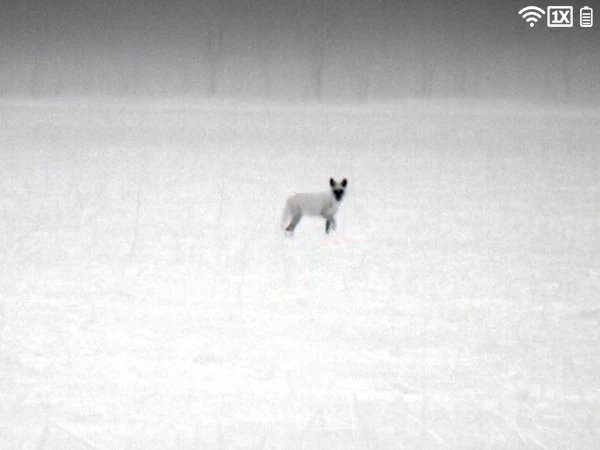
Picture a hard January night first: the ground has surrendered its heat, frost sits over an open pasture, and a coyote working the far tree line burns bright against it. This is where the 3-24x earns its 3650m detection range — the cold air is thin and clean, contrast is at its peak, and the tight top-end zoom lets you confirm the animal long before it closes. Now swing forward to a heavy July night: the field held the sun all afternoon, the air is damp, and every warm surface competes with the animal you want. Here the <=15mK NETD does the quiet work, holding a hog readable when a coarser sensor would smear it into the murk. Then take a mild October evening that starts cool and turns damp by midnight — the kind where you retune the picture as the hours pass rather than trust a single setting. Across all three the 640-class sensor, SharpIR AI and 50 Hz refresh stay constant; only the season decides how hard each of them has to work.
How weather shifts your setup
Warm months bring heat soak: rocks, roads and bare dirt that baked all day keep radiating after dark, so the background glows and the temperature gap you rely on collapses until the ground cools past midnight. Humidity compounds it by scattering the signal, which is exactly why summer favours the low <=15mK NETD over raw magnification. Cold months flip the problem — contrast is easy, but the 18650 cells drain faster in the chill, so the roughly 9 hours of runtime you count on in autumn can come up short on a hard freeze. The replaceable 18650 system in the 2-16x turns that from a night-ender into a thirty-second swap. Plan your power around the temperature, not the calendar.
Tuning the picture as conditions change
The six palettes on the 384 exist for nights that will not sit still. On crisp winter air a high-contrast palette makes a warm animal pop off frozen ground; on a foggy, humid night a softer palette can keep detail from blowing out when the low NETD is already fighting a thin gap. As fog rolls in the sensitivity is what preserves an edge on the target, but the palette is how you make that edge easy for your eye to read. Get into the habit of retuning at the trailhead and again mid-hunt as the weather turns.
Terrain and how it changes with the year
The same piece of ground is a different thermal problem in January than it is in July, and the season is only half of that story — the other half is what the land does in response. A crop field cut to stubble in autumn is open and clean, letting the 3-24x's 3650m detection range stretch out unobstructed; the same field standing tall and green in summer breaks up your sightlines and rewards the wider low end of the 2-16x for scanning the gaps. Woodland edges hold the day's heat in bark and leaf litter well into a summer night, so a warm animal reads with less contrast there than it would against an open pasture. Snow flips everything in the coldest months: it is a cold, even backdrop that makes a warm animal blaze, which is why deep winter on open snow is the easiest reading a long-range thermal ever gets. Learn how your specific ground shifts across the calendar and you will know which ThOR 6 variant to reach for before you even step outside.
Fog, frost and the awkward nights
Some of the hardest reading falls in the transitional weather the shoulder seasons throw up. Ground fog on a still autumn morning scatters the signal and softens edges, so the <=15mK NETD is what preserves a usable outline while a coarser sensor would lose the target entirely. Heavy frost is friendlier — it behaves like a thin, cold blanket that widens contrast — but it also drains batteries and stiffens fingers, so the practical answer is the same as deep winter: carry spare 18650 cells and let the scope settle. On these in-between nights the ability to flip palettes on the 384 is genuinely useful, letting you swap to whatever presentation cuts through the murk on that particular evening rather than fighting a fixed picture.
Building a year-round setup around one scope
Most hunters do not want three scopes for three seasons, and they do not need them. The honest reality is that a single 640 variant will carry the whole year if you understand what each season asks of it — the 3-24x for anyone whose hardest nights are cold and open, the 2-16x for anyone who lives in humid summer air and long sits. The 384 earns its place for the roving, changeable-season hunter who values weight and palette flexibility over the last stretch of reach. Whichever you choose, the shared foundation does not change with the calendar: the same 640-class or 384 sensor, the same <=15mK NETD, the same 50 Hz refresh, SharpIR AI, Hot Point Tracking, Recoil Activated Video, IP67 sealing against whatever the weather does, and ATN Connect 6 to pull footage off after the hunt. Pick for the season you fight hardest, and the scope handles the rest of the year around it.
Planning around the season
- Winter: carry a spare set of 18650 cells and let the scope acclimate to the cold before you glass, so the picture settles.
- Summer: wait out the worst heat soak — the hour or two after full dark reads far better than dusk on a hot field.
- Shoulder seasons: pre-set two palettes you can flip between as a cool evening turns damp.
- Any season: confirm your zero with Zeroing Freeze after a big temperature swing between outings.
- Year-round: keep the SharpIR AI on and let the 50 Hz refresh do the work on moving quarry regardless of the month.
How to match a long range thermal scope to your season
- Hunt hard in winter? Buy reach — cold contrast lets the 3-24x's 3650m detection pay off.
- Chasing summer nights? Prioritise the <=15mK NETD and swappable power of the 2-16x.
- Split across spring and fall? The light, palette-rich 384 adapts to changeable conditions.
- Watch heat soak — in warm months, ground that held the day's sun flattens contrast until it cools.
- Carry spare cells — cold winter nights drain batteries faster than you expect.
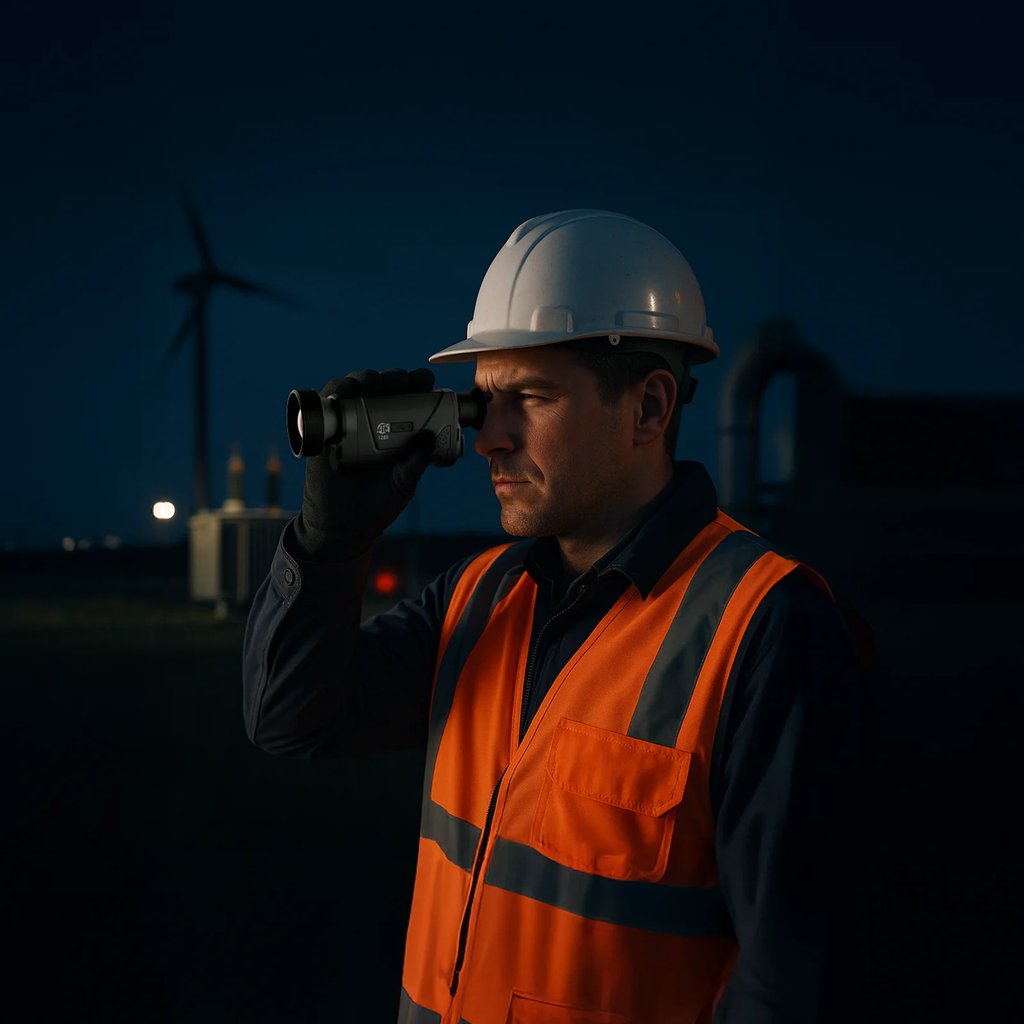
How we picked these ATN thermal scopes
This is an in-house comparison of ATN's own thermal scopes organised by season, not an independent lab review, so use it to match glass to the conditions you hunt and check the specs against your own year. We judged thermal sensitivity (NETD), sensor resolution, detection range, magnification band, weight and battery against winter cold, humid summer air and the changeable shoulder seasons. Only the current 6th-generation ThOR 6 line was considered. The honest trade-off: the reach that shines in clean winter air is partly spent in summer humidity, and the light shoulder-season pick gives up top-end range. Who it is not for: a hunter chasing a single 'best' number with no thought to when they actually go out — season is exactly what shifts the answer.
Frequently Asked Questions
Does cold weather help a long range thermal scope?
Yes. Cold ground widens the temperature gap between an animal and its background, so contrast and effective reach are at their best in winter — which is when a long-reach scope like the 3-24x truly shines.
Why does summer humidity shorten thermal range?
Warm, moist air scatters the heat signal, narrowing the gap the sensor reads. A low NETD like the ThOR 6's <=15mK is what keeps an animal readable on a muggy night.
Which ThOR 6 is best for hot, humid nights?
The 640x512 2-16x, because its full 640 sensor and <=15mK NETD cut through summer murk, and its swappable 18650 batteries suit the long sits warm nights invite.
What is heat soak and does it affect long shots?
Heat soak is ground that has absorbed the day's sun and radiates it back, flattening contrast until it cools. It mainly bites in warm months and eases as the night goes on.
Is the 384 enough for year-round hunting?
For a versatile, changeable-season rig, yes — its 2300m detection and six palettes adapt well. For maximum winter reach on open ground, a 640 sensor is the stronger pick.
Do I need spare batteries in winter?
It is wise. Cold drains cells faster, and while every ThOR 6 here runs about 9 hours per charge, the 2-16x's replaceable 18650 system makes a cold-night swap effortless.
Ready to pick for your season? Start with the year-round ThOR 6 640x512 3-24x, or compare the full range of ATN thermal scopes to match sensitivity, reach and weight to the conditions you hunt. Every model runs SharpIR AI and the Connect 6 app, so whatever the season throws at you, you are set up to read it.
Created: August 5, 2026 · 19:53:40 UTC