The best cheap thermal monocular for hog hunting is not one fixed answer-it changes with the ground under your boots. Open fields where pigs feed 300 yards out ask for a very different handheld than a wooded creek bottom where you jump a sounder at 60. So instead of a long list, this is a straight head-to-head between two ATN 6th-gen handhelds picked for opposite terrain: the long-reaching ATN thermal monocular flagship for wide country versus the light, wide-view value model for tight cover. Pick the one that matches where you actually hunt pigs.
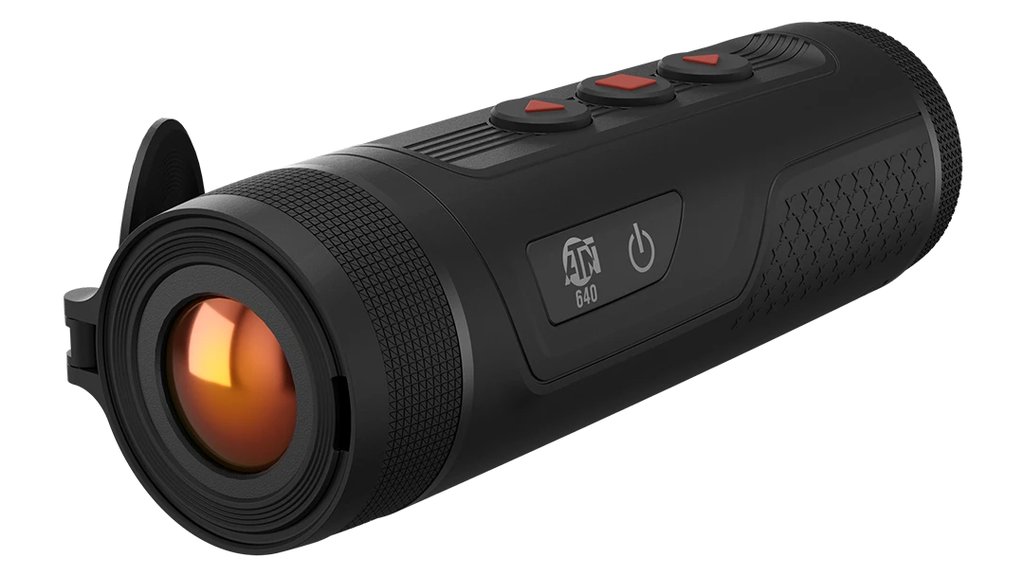
Two ATN monoculars, two kinds of hog ground
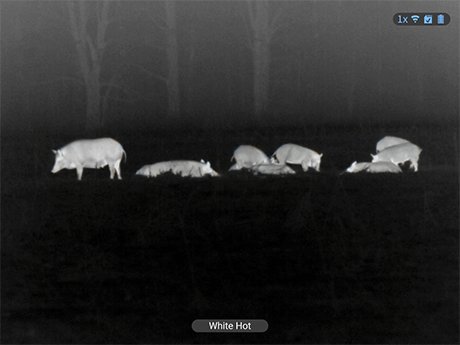
The ATN BlazeHunter XD LRF 1280x1024 2-16x is the open-country specialist; the ATN BlazeTrek 6 640x512 1.5-12x is the close-cover value pick. Both are current 6th-gen handhelds that read heat instead of light, so a hog glows against cooler ground in full dark. The difference is what each is built to do: one reaches and ranges far, the other sweeps wide and stays light. The table sets them side by side on the specs that decide a hog scan.
How the BlazeHunter XD LRF works in open country
The BlazeHunter XD LRF earns open ground because its 1280x1024 sensor holds identifiable detail at distances where smaller handhelds blur, and its laser rangefinder tells you exactly how far that pig is before you decide anything. In a wide field a sounder can be hundreds of yards off when you first pick up the heat; over a million more pixels than a 640 sensor mean you can tell pigs from deer or cattle at that range instead of squinting at a smudge. Its ≤15 mK sensitivity pulls extra contrast out of flat summer heat, the 3400 m detection reach flags warmth early, and the swappable dual-battery system runs past 10 hours so a long field sit never leaves you dark. The trade is weight and cost-at 1.1 pounds it is the heavier, pricier tool.
How the BlazeTrek 6 640 works in thick cover
The BlazeTrek 6 640 owns thick cover because it is light, wide, and quick in the hand-exactly what you need when pigs appear close and fast in timber. Its wide 22.8-by-18.3-degree field of view lets you sweep a creek bottom or brush line in one pass, and starting at 1.5x keeps that view broad so a hog crossing at 60 yards does not slip past the edge of the frame. At 0.7 pounds you can hold it one-handed through a long still-hunt without your arm tiring. The 640 sensor and ≤18 mK sensitivity draw a clear, identifiable pig at the close-to-mid ranges thick cover produces. It does not reach or range like the flagship-but in tight woods you were never taking that long shot anyway.
When to choose the BlazeHunter XD LRF
Choose the BlazeHunter XD LRF when your hog hunting happens in open, long-range terrain-big ag fields, cut pastures, river flats-where you spot pigs far off and need to confirm what they are and how far. The extreme-definition sensor gives you honest identification at distance, the rangefinder removes holdover guesswork, and the long swappable battery covers all-night field sits. It is also the pick if you already know your shots run long and you want the most capable handheld ATN's current line offers. It is not the tool if you value low weight and low cost above reach.
When to choose the BlazeTrek 6 640
Choose the BlazeTrek 6 640 when you hunt pigs in thick, close cover-timber, brush, creek bottoms-where speed, a wide view, and light weight matter more than long-range reach. Its broad field of view catches a sounder crossing at close range, and the light body is easy to carry and raise fast when a pig steps out. It is also the smarter spend for the value-first hunter who wants a sharp 640 sensor without paying flagship money. It is not the pick for wide-open fields where you need to range and identify pigs hundreds of yards out.
Our recommendation
If your hog ground is open and the distances are long, the ATN BlazeHunter XD LRF 1280x1024 2-16x is our pick-nothing else in this pair identifies and ranges pigs as far downfield. For the majority of hog hunters working mixed or thick cover, though, the lighter, wider BlazeTrek 6 640 is the better everyday value and the one we would grab first. Both come from the same current 6th-gen family, so you can compare either against the rest of the range on the ATN thermal monoculars page and buy for the terrain you actually hunt, not the spec sheet.
How we compared them
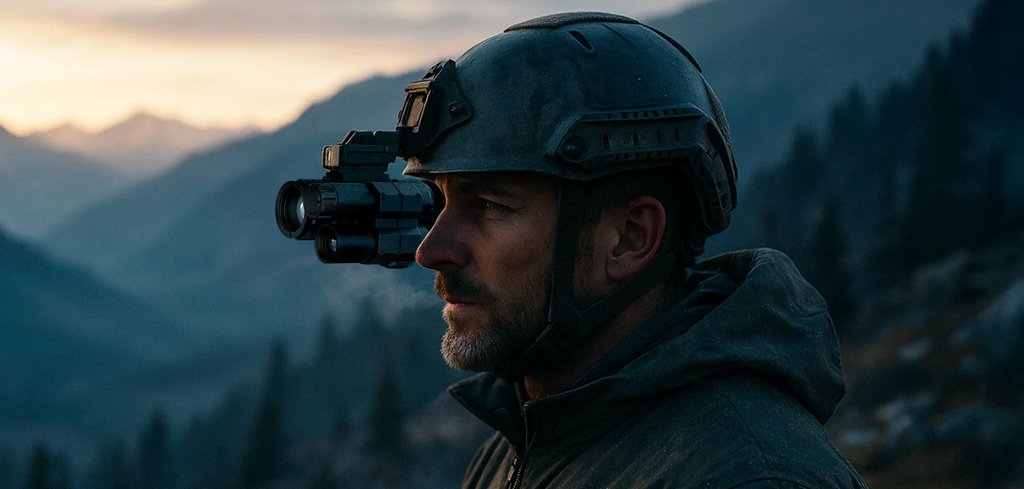
We put these two head to head the way terrain actually splits them, judging sensor resolution, NETD sensitivity, field of view, detection range, ranging, battery runtime and weight against two real hog settings-wide-open fields versus tight cover-rather than a single spec race. Only ATN's current 6th-gen handhelds are considered. The honest trade-off is clear: the BlazeHunter XD buys long-range identification and ranging at the cost of weight and price, while the BlazeTrek 6 640 trades reach for a wider view, lighter carry, and a friendlier price. Neither is right if you want a weapon-mounted sight-both are handheld scanners. This is an in-house comparison of ATN's own monoculars, not an independent lab review, so measure the specs against your own ground and shooting distances before you decide.
Frequently Asked Questions
Which is the best cheap thermal monocular for hog hunting, the BlazeHunter XD or the BlazeTrek 6?
It depends on your terrain. The BlazeHunter XD LRF is the better handheld for open, long-range fields because it identifies and ranges pigs far off. The lighter BlazeTrek 6 640 is the better value for thick cover where a wide view and quick, one-hand carry matter more than reach.
Do I need a laser rangefinder in a thermal monocular for hogs?
You need it most in open country, where pigs can be hundreds of yards out and holdover guesswork costs you the shot. The BlazeHunter XD LRF has a built-in laser rangefinder accurate to a meter out to 1000 m. In thick cover at close range, the BlazeTrek 6 640 gets by fine without one.
Is the higher-resolution sensor worth it for pig hunting?
In open terrain, yes-the BlazeHunter XD's 1280x1024 sensor lets you identify a hog at distances where a smaller sensor shows only a blur. In close cover, the 640x512 in the BlazeTrek 6 already draws a clear, identifiable pig, so the extra pixels matter less.
How far can each monocular detect a hog?
The BlazeHunter XD LRF detects heat out to about 3400 m and the BlazeTrek 6 640 to about 1000 m. Detection means picking up that something warm is present, not fully identifying it. Real identification range is shorter and depends on sensor resolution and how much you zoom.
Which one is easier to carry all night?
The BlazeTrek 6 640 at 0.7 pounds is noticeably lighter and easier to hold one-handed through a long hunt. The BlazeHunter XD at 1.1 pounds is heavier but adds a swappable dual-battery system good for 10-plus hours, so it trades some weight for longer runtime in the field.
Can I use either as a rifle sight?
No. Both are handheld scanning and spotting monoculars, not weapon sights, so they are meant for finding and identifying hogs in the hand. If you want a thermal optic mounted on the rifle, ATN's thermal scope line is the correct tool. Many hunters scan with a monocular, then aim with a mounted optic.
Match the monocular to your ground and you will not overpay or come up short. If you hunt wide-open fields and need to identify and range pigs far downfield, the ATN BlazeHunter XD LRF 1280x1024 2-16x is the flagship for the job. If you work thick cover and want a lighter, wider, better-value handheld, the BlazeTrek 6 640 is the everyday pick. See both against the full current lineup on the ATN thermal monoculars page and choose for the terrain you actually hunt.
Created: August 10, 2026 · 09:39:31 UTC