"Cheap" is a trap word in thermal. The best cheap thermal binoculars for coyote hunting are not the ones with the lowest sticker — they're the ones that cost the least per season of reliable, ethical coyote hunting. A truly bargain-bin unit with a weak sensor and no way to confirm range will cost you missed dogs and unsafe shots, which is the most expensive outcome of all. This roundup ranks ATN's current thermal binoculars by tier, so you can see what each price step actually buys a coyote hunter and where the real value lives.
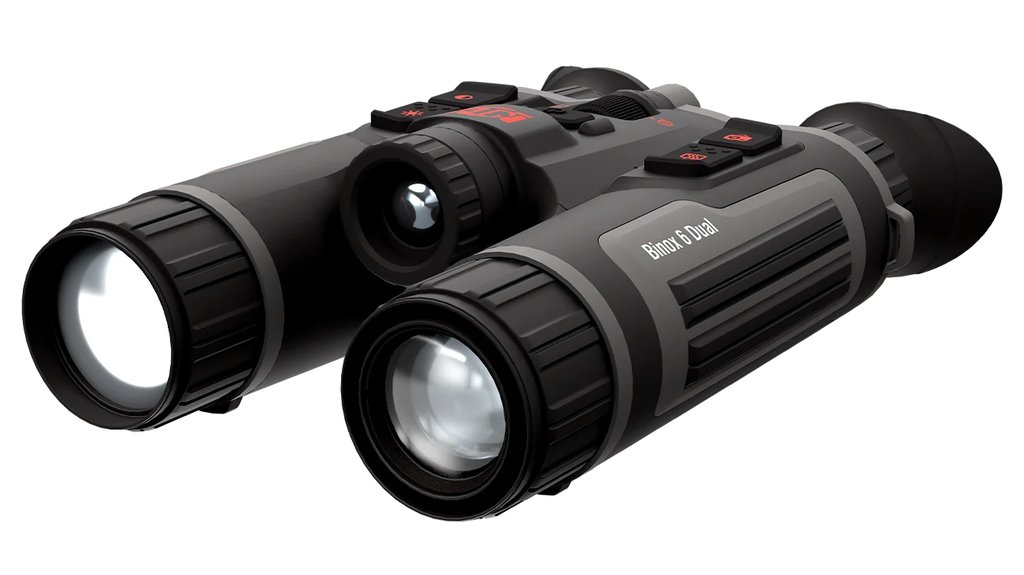
The best value in ATN thermal binoculars for coyotes is the ATN Binox-6 Dual 640x512 3-24x at the flagship tier: its 640x512 sensor and built-in rangefinder deliver the confident, ethical shots that cheap optics can't, so it costs less per usable season. The Binox-6 Dual 384x288 5.5-44x is the lower-cost entry that still ranges and still sees a coyote clearly. Skip anything cheaper — without ranging and sensitivity it's a false economy.
Quick answer: top picksBest overall value: ATN Binox-6 Dual 640x512 3-24x — flagship features that pay back in confirmed shots and years of use.
Best lower-cost entry: ATN Binox-6 Dual 384x288 5.5-44x — the friendlier price with the same built-in rangefinder and ≤15 mK sensitivity.
Both beat true "cheap": a bargain viewer with no rangefinder and a coarse sensor can't confirm an ethical coyote shot, so it costs more in the end — both Binox-6 models solve that.
Why the cheapest thermal binocular is rarely the best value for coyotes
A coyote thermal has to do two hard things well: resolve a small, low-mass target cleanly, and let you confirm the distance before you commit to a shot. The truly cheap units skimp on both. A coarse sensor with poor NETD — the smallest temperature difference it can detect, where higher numbers mean a muddier picture — turns a coyote into an unidentifiable blob, and without a rangefinder you're guessing holdover on a small animal in the dark. That's how a "cheap" purchase turns into wounded game and a scope-mounted unit you replace a year later. The Binox-6 line avoids that by pairing a ≤15 mK sensor with a built-in 1000 m rangefinder even on its lower-cost model, so the cheapest sensible starting point still does the job.
The other value lever is versatility. Both Binox-6 models are 4-in-1 — day, night, twilight and thermal in one body — so you're not buying a separate day optic for scouting. That single-device coverage is a big part of why they read as "cheap" over their life even though the sticker isn't bargain-bin. Here's how the two tiers compare.
Flagship tier, best overall value: ATN Binox-6 Dual 640x512 3-24x
Why the higher tier is the cheaper choice long-term
The ATN Binox-6 Dual 640x512 3-24x sits at the flagship tier, and for a serious coyote hunter it's often the cheapest choice measured properly — by cost per confirmed, ethical shot over years of hard use. Its 640x512 sensor carries roughly four times the heat-reading pixels of a 384 core, like moving from standard definition to HD, so you identify a coyote fast and clean and stop losing dogs to hesitation. Detection reaches around 3100 m, giving you time to set up, and the built-in rangefinder removes the guesswork that gets small targets wounded.
Who this tier is for
It's for the hunter who runs a lot of stands and wants the tool that won't be the weak link — the one whose value shows up as years of dependable, confident hunting rather than a low sticker. It's not for someone who only hunts a few nights a season and wants the smallest possible outlay to get into thermal; that hunter should look at the entry tier below.
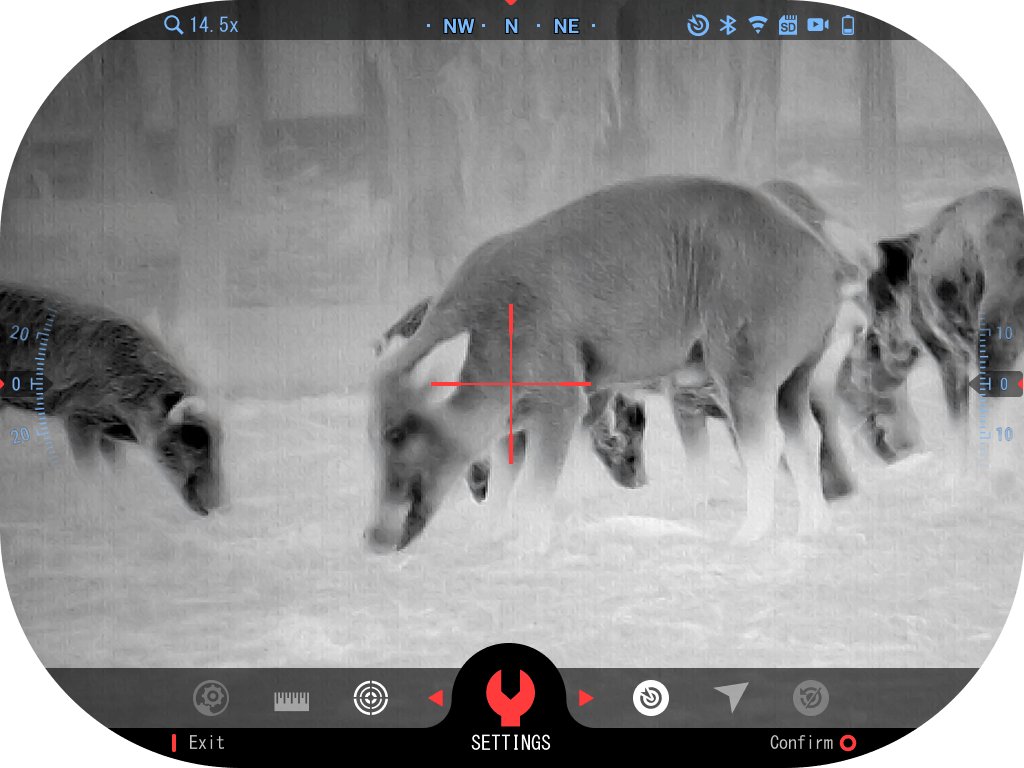
Entry tier, lowest cost into the line: ATN Binox-6 Dual 384x288 5.5-44x
The honest cheap starting point
The ATN Binox-6 Dual 384x288 5.5-44x is the lowest-cost way into real, capable ATN thermal binoculars, and crucially it doesn't cut the two features that make a coyote optic trustworthy: it keeps the ≤15 mK sensitivity and the built-in 1000 m rangefinder. You step down to a 384x288 sensor, which still resolves a coyote clearly at the ranges you'd actually shoot, and you get a taller 44x zoom for studying distant signatures on open ground. This is the tier for the budget-first hunter who refuses to gamble on a no-name bargain unit.
Who this tier is for
It's for the hunter getting into thermal for the first time, or one who hunts open country and wants ranging and reach for the least money. It's not for someone who does most of their calling in tight cover on hot nights, where the flagship 640's finer sensor earns its keep.
The hidden costs a cheap unit adds later
The reason a bargain optic ends up costing more isn't just the sensor — it's everything that fails around it. Cheap units often can't hold zero on a mount, run non-standard batteries you can't easily replace, and lack the firmware updates that keep image processing current. A coyote hunter discovers these gaps at the worst moment: a dog stands broadside at 200 yards and the picture stutters, or the battery dies mid-stand with no spare that fits. Both Binox-6 models sidestep that with standard swappable 18650 cells, ongoing firmware support, and a proven housing, so the money you spend stays spent once. That reliability is a quiet but real part of the value equation, and it's exactly what the lowest-sticker options quietly trade away to hit their price.
How to choose the best value tier for you
Don't shop the lowest sticker; shop the lowest cost per season of confident hunting. Both Binox-6 tiers clear the bar that true "cheap" units fail — sensitivity and ranging — so your choice is about how hard you hunt.
- Hunt often, want no weak link — the flagship 640x512 3-24x is the lowest cost per usable season for a serious caller.
- Getting into thermal on a budget — the entry 384x288 5.5-44x keeps the rangefinder and sensitivity while costing less to buy.
- Refuse false economy — both models beat a bargain viewer that can't range or resolve a coyote; that gap is where cheap turns expensive.
- Count the 4-in-1 modes — day, night, twilight and thermal in one unit means you don't buy a second optic, which lowers the true cost.
- Plan for battery — both run ~8 hours on swappable 18650 cells; a charged spare pair is a cheap way to cover a full night.
How we picked these ATN thermal binoculars
This is an in-house comparison of ATN's own current 6th-generation Binox-6 range, not an independent lab review, and we've defined "cheap" as best value per tier of spend rather than lowest price. We judged both tiers on the things that decide whether a coyote hunt succeeds: sensor resolution and NETD for clean identification of a small target, the built-in rangefinder for ethical shot distance, detection range and zoom for scanning, and battery life for a full night. We named the flagship 640 the best overall value because, for hunters who go out often, it costs the least per confident season; the 384 is the honest lowest-cost entry for lighter use. Neither is the pick if you want a throwaway viewer with no ranging — that's the false economy we're steering you away from. Weigh these specs against how many nights you actually hunt.
Frequently Asked Questions
What does 'best cheap' actually mean for a coyote thermal binocular?
It means the best value per tier of spend over the life of the optic, not the lowest sticker price. A truly cheap unit with a weak sensor and no rangefinder costs you missed and unsafe shots, so it is expensive in practice. The ATN Binox-6 models cost more up front but deliver reliable, ethical coyote hunting that makes them cheaper per season.
Is the entry-tier 384x288 model good enough for coyotes?
Yes. The Binox-6 Dual 384x288 5.5-44x keeps the ≤15 mK sensitivity and the built-in 1000 m rangefinder, so it resolves a coyote cleanly and lets you confirm distance for an ethical shot. Its 44x zoom also helps on open ground. It is the honest lowest-cost entry into capable ATN thermal binoculars.
Why not just buy the cheapest thermal binocular I can find?
Bargain-bin units usually cut the sensor quality and drop the rangefinder, which are the two features a coyote hunter needs most. Without them you cannot reliably identify a small dog or confirm the range, leading to wounded game and quick replacement. Spending a bit more on a Binox-6 avoids that false economy.
Does the flagship 640 model really save money over time?
For a hunter who goes out often, yes. Faster identification, longer detection and finer detail mean fewer lost opportunities and years of dependable use, which lowers the cost per season below a cheaper unit you would replace or struggle with. For light, occasional use the entry 384 tier makes more sense.
Do both tiers include the rangefinder?
Yes. Both the flagship 640x512 and the entry 384x288 include a built-in laser rangefinder reading to 1000 m at about ±1 m. Confirmed range is the non-negotiable feature for ethical shots on a small target, so ATN includes it on both. That is why neither model counts as a false-economy 'cheap' optic.
Can I use these for anything besides coyote hunting?
Yes. The 4-in-1 design plus GPS, compass and Wi-Fi make them useful for hog hunting, property monitoring, livestock checks and general night observation. That extra usefulness spreads the cost across more tasks, improving the real value. It is part of why they beat single-purpose bargain viewers.
How much magnification do I need for coyotes?
For coyotes you rarely need extreme magnification; a wide field to catch a circling dog and enough zoom to confirm the shot matter more. The 640's 3-24x favors close scanning, while the 384's 5.5-44x favors long glassing on open flats. Choose based on whether you hunt cover or open country.
The cheapest coyote thermal is the one that costs the least per confident season, not the least at checkout. For a hunter who runs a lot of stands, that's the ATN Binox-6 Dual 640x512 3-24x. Getting into thermal on a budget? The 384x288 5.5-44x keeps the rangefinder and sensitivity for less. See both tiers, and the full specs, on the ATN thermal binoculars page and buy the value that matches how hard you hunt.
Created: August 5, 2026 · 19:53:40 UTC