Comparing the best budget thermal binoculars for coyote hunting usually comes down to two ATN models-and which one is right depends heavily on where you are as a hunter. A first-year caller and a veteran who has run hundreds of stands want different things from thermal glass. This is a straight head-to-head between the ATN Binox-6 Dual 640x512 3-24x and the high-zoom 384x288, framed by experience level so you land on the right one for your stage.
How the Binox-6 640x512 works
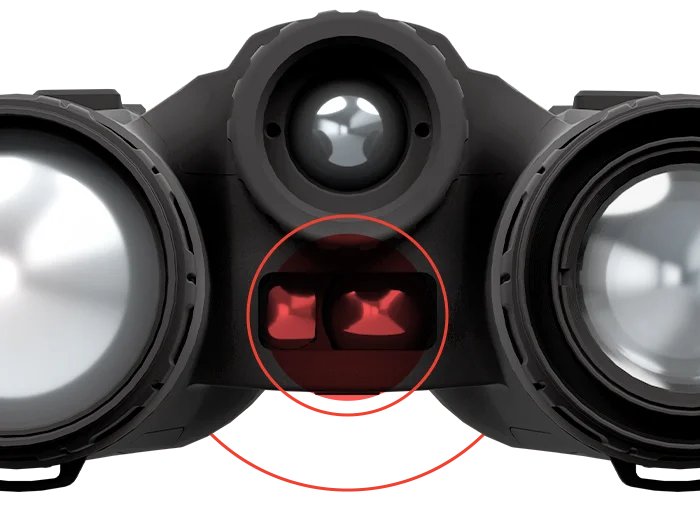
The Binox-6 640x512 works by pairing a high-resolution thermal sensor with a 3-24x zoom, so a coyote reads as a crisp, identifiable shape rather than a fuzzy blob. That clarity is exactly what a newer caller leans on-you can tell a coyote from a fox or a loose farm dog before committing. The wide 3x low end makes handheld scanning forgiving, and the built-in rangefinder and 4-in-1 modes mean one tool covers the whole learning curve.
How the Binox-6 384x288 works
The Binox-6 384x288 works with a lower-resolution thermal sensor but a much higher 5.5-44x zoom, trading fine detail for raw reach. On a steady rest a veteran can push that 44x to study a dog at the far edge of open country. It keeps the same ≤15 mK sensitivity and built-in rangefinder, so it is still a capable ID and ranging tool-just one that rewards experience and a tripod over handheld ease.
When to choose the Binox-6 640x512
Choose the Binox-6 640x512 if you are new to coyote hunting or you value a clean, confident picture over extreme zoom. Its sharper sensor shortens the learning curve by making identification obvious, and its wide low end forgives the shaky, hurried scanning that comes with fewer stands under your belt. For the majority of callers-beginner through experienced-this is the easier, more versatile binocular.
When to choose the Binox-6 384x288
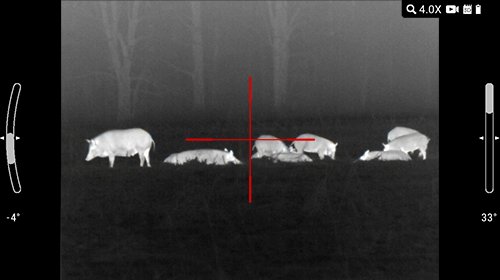
Choose the Binox-6 384x288 if you are a seasoned caller who regularly glasses extreme distance from a tripod and knows how to read a lower-resolution thermal image. Its 44x reach lets an experienced eye pick apart a far tree line where the 640x512 tops out at 24x. It rewards skill and a steady rest; in newer hands the shaky high zoom and softer sensor can cost you more than the reach gives.
Why resolution matters more than zoom for most callers
For most coyote callers, resolution matters more than zoom because the hard part isn't seeing that something is out there-it's knowing what it is. A coyote, a fox, and a stray dog all glow as warm shapes at distance, and it's the sensor's pixel count that draws the outline sharp enough to tell them apart. The 640x512 gives you that confident read; the 384x288 trades some of it away for reach. A newer hunter especially leans on clarity, because experience hasn't yet taught the subtle cues that let a veteran call a fuzzier image.
Zoom only pays off when you can actually use it, and that's a smaller slice of real hunting than beginners expect. Extreme 44x magnification needs a steady rest and a genuine long-range setup to matter, conditions most callers don't hunt in most nights. So while the 384x288's reach looks impressive on a spec sheet, the 640x512's everyday sharpness wins more stands for more hunters. Buy the strength you'll use on a typical night, not the one that shines only in a specialized setup.
Our recommendation
Our pick for most coyote hunters is the ATN Binox-6 Dual 640x512 3-24x. Its sharper sensor makes identifying a dog straightforward, it scans easily handheld, and it grows with you from first season to veteran-so it is the safer, more versatile buy across experience levels. If you are an experienced glasser who lives at extreme range on a rest, weigh the high-zoom 384x288 on the ATN thermal binoculars page instead. For everyone else, the 640x512 is the recommendation.
How we compared them
We compared these on what coyote callers actually rely on-thermal resolution, NETD sensitivity, magnification range, detection range, the built-in rangefinder, weight and battery-judged against how a beginner versus a veteran reads and uses thermal glass, and only within the 6th-gen Binox-6 line. The honest trade-off: the 640x512 gives a sharper, easier picture but tops out at 24x, while the 384x288 reaches to 44x at the cost of resolution and handheld usability. 'Budget' here means best value for a full 4-in-1 tool, not cheapest possible. This is an in-house comparison of ATN's own binoculars, not an independent lab test-match the model to your experience and range.
Frequently Asked Questions
Which Binox-6 is better for a beginner coyote hunter?
The Binox-6 Dual 640x512 3-24x. Its higher-resolution sensor makes identifying a coyote versus a fox or farm dog obvious, which shortens the learning curve, and its wide 3x low end forgives hurried handheld scanning. It is the more versatile pick for someone still building experience.
Does a veteran caller need the 384x288's 44x zoom?
Only if they regularly glass extreme distance from a steady rest and know how to read a lower-resolution image. The 44x reach helps an experienced eye pick apart far tree lines. Most callers, even experienced ones, are well served by the sharper 640x512.
Is the 640x512 worth it over the 384x288?
For most hunters, yes. The 640x512's sharper sensor makes identification easier and it scans better handheld, which matters more day to day than the 384x288's extra zoom. The 384 wins only in specialized long-range tripod glassing.
Do both have the same thermal sensitivity?
Yes, both list a ≤15 mK NETD, meaning both separate a warm coyote from cold ground cleanly. The difference is resolution and magnification, not sensitivity. So both give strong contrast; the 640 just resolves finer detail.
Can either binocular range a coyote?
Yes. Both include a built-in laser rangefinder good to about 1000 m, so you can confirm distance before a longer shot. That works the same on both models regardless of resolution or zoom.
Which is better for handheld scanning?
The 640x512. Its wide 3x low end and sharper image make quick handheld scanning easy, while the 384x288's high 44x zoom really needs a tripod to be steady. For mobile, on-foot calling the 640 is the clear choice.
Let your experience pick the glass. If you're newer to calling coyotes-or you just want the cleanest, most forgiving picture-the ATN Binox-6 Dual 640x512 3-24x makes every dog easy to identify and grows with you season after season. If you're a veteran who glasses the far edge from a tripod, compare the high-zoom 384x288 on the ATN thermal binoculars page and choose the model that fits where you are as a hunter.
Created: August 5, 2026 · 19:53:40 UTC