Picking the best budget thermal binoculars for coyote hunting is really about how you set up on a stand. A tripod-and-tall-night glasser, a mobile run-and-gun caller, and a truck-based spotter each build their kit differently, and the wrong binocular fights the way you actually hunt. This guide sorts the value ATN Binox-6 Dual 384x288 5.5-44x and its sibling by setup, so your glass fits your rig instead of the other way around.
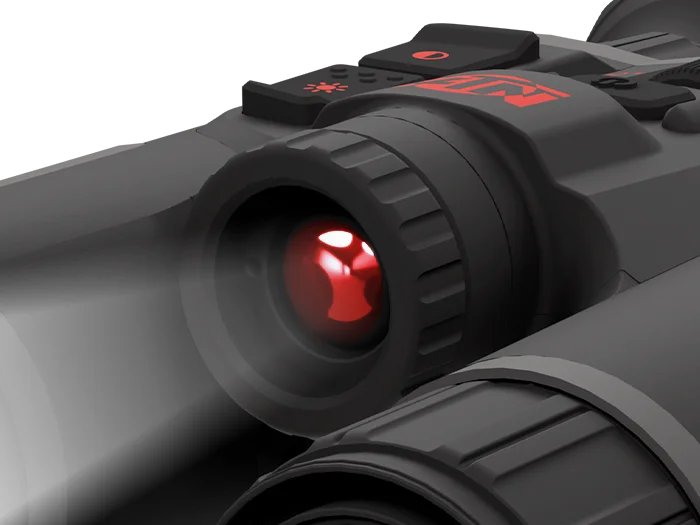
Best for run-and-gun handheld calling: ATN Binox-6 Dual 640x512 3-24x - sharper sensor and a wide 3x low end for fast handheld scanning.
Both share: a built-in rangefinder and 4-in-1 day/night/thermal/twilight vision for a complete coyote kit.
Why ATN's 6th-gen Binox-6 adapts to any setup
ATN's Binox-6 adapts to any setup because it packs day, night, thermal and twilight vision plus a built-in rangefinder into one binocular-so whether you're locked to a tripod or moving stand to stand, you carry a single tool. Both eyes on the target means less fatigue on long glassing sessions and steadier scanning on foot. The two variants simply lean toward a seated high-zoom rig or a mobile handheld one.
ATN Binox-6 Dual 384x288 5.5-44x - the tripod glasser's binocular
The ATN Binox-6 Dual 384x288 5.5-44x is the tripod glasser's binocular because its 44x top magnification only becomes usable on a steady rest-handheld, that much zoom shakes too much to hold on a distant dog. Seated behind a tripod on a ridge or field edge, though, you can crank it up and pick apart the far tree line for a bedded coyote. The ≤15 mK sensitivity and built-in rangefinder round out a patient, long-sit setup.
Why high zoom needs a rest
At 44x, every heartbeat and breath jumps the image, so a tripod or window mount is what unlocks that reach. For the hunter who sets up once and glasses methodically for hours, that stability turns extreme magnification from a gimmick into a real advantage on distant song-dogs.
Who it's for-and not for
The Binox-6 384x288 is for the patient, tripod-based caller glassing far country. It is not for the run-and-gun hunter who scans handheld and moves often-that style wants the wider, sharper 640x512.
ATN Binox-6 Dual 640x512 3-24x - the run-and-gun binocular
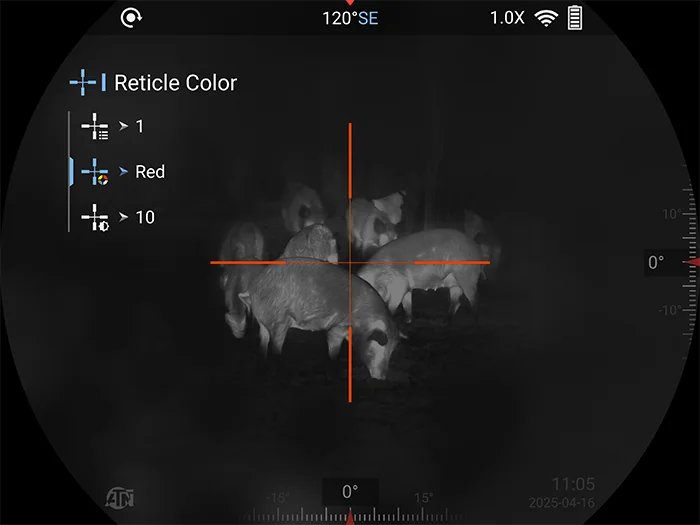
The ATN Binox-6 Dual 640x512 3-24x is the run-and-gun binocular because its higher-resolution sensor and wide 3x low end make handheld scanning fast and clear-exactly what a mobile caller needs sweeping a field the moment a coyote commits. You are not fighting a twitchy 44x image; you are catching movement quickly and confirming it with a sharp picture. Its 3-24x range still zooms enough to study a dog at real distance.
Who it's for-and not for
It is for the mobile caller who scans handheld and changes stands often. It is not for the hunter who parks behind a tripod and wants the maximum 44x reach of the 384x288.
Why the tripod setup unlocks the 384x288's real strength
A tripod setup unlocks the 384x288's real strength because magnification and stability are two halves of the same tool. On paper 44x sounds like pure upside, but pushed handheld it magnifies your shake as much as the target-every breath and pulse jumps the image until a distant coyote is impossible to hold. Lock the binocular to a tripod or window mount and that same 44x becomes a genuine reach advantage, letting you sit on a far tree line and pick apart the shadows for a bedded or approaching dog. The hardware and the setup have to match, and this model is built for the patient, seated hunter.
The tripod style suits the way a lot of dedicated coyote callers actually work, too. You pick a vantage with a long view, set up before first light or last light, and glass methodically for an hour or more, letting the calls pull dogs from distance. That is not a job for tired arms holding heavy glass; it's a job for a stable rest and high magnification. For that hunter, the 384x288 is the setup-correct answer, and the extra zoom finally has the stability to earn its keep.
Why the run-and-gun setup wants the 640x512 instead
The run-and-gun setup wants the 640x512 instead because everything about moving fast argues for a sharper sensor and a wider view over extreme zoom. When you slip into a new stand, make a set, and expect action inside a few minutes, you need to sweep the country quickly and catch movement the instant a coyote shows-hard to do at a twitchy 44x, easy at the 640x512's wide 3x low end. And because you're scanning handheld between setups, the higher-resolution image gives you a clean read without a rest under it.
There's a stamina angle as well. A mobile caller may run a dozen stands in a night, glassing hard at each one, and the sharper, easier-to-hold 640x512 fatigues you less over that grind than fighting a high-zoom image would. You still get real reach-the 3-24x range zooms plenty to study a dog at distance-you just get it in a package tuned for speed and clarity rather than maximum magnification. For the hunter who covers ground, that balance is the right one.
What both setups share under the hood
Whatever setup you build, both binoculars share the core that makes the Binox-6 a coyote tool: the same ≤15 mK thermal sensitivity that lifts a warm dog cleanly off cold ground, the same built-in laser rangefinder for confirming distance before a longer shot, and the same 4-in-1 day/night/thermal/twilight modes for identifying what you've found. The choice between them isn't about capability-it's about whether your setup is seated and far or mobile and close. Get that match right and either model is a complete coyote scanner.
How to choose by your setup
- Tripod, seated, patient - the 384x288 5.5-44x turns a steady rest into extreme reach.
- Handheld, mobile, run-and-gun - the 640x512 3-24x scans fast and clear on the move.
- Either setup - the built-in rangefinder confirms distance before a longer shot.
- Long sessions - the two-eyed design keeps you comfortable however you hunt.
Common setup mistakes that cost you coyotes
The costliest setup mistake is a mismatch between the model and how you actually hunt-buying the 44x 384x288 and then trying to scan handheld on the move, or grabbing the 640x512 and expecting tripod-grade reach at extreme distance. Each binocular is excellent in its lane and frustrating out of it. Before you buy, be honest about whether you're a sit-and-glass hunter or a run-and-gun caller, because that single answer points to the right unit more reliably than any spec comparison.
Two smaller mistakes trip up both camps. First, skipping a proper mount for the high-zoom model-a wobbly cheap tripod undoes the 44x advantage entirely, so if you go the seated route, mount it like you mean it. Second, forgetting spare batteries: both models run about eight hours on two 18650 cells, and because the cells are replaceable, a couple of charged spares let you hot-swap and hunt straight through a long night instead of packing up early. Set the rig up around your style and these pitfalls simply don't happen.
It also pays to think about how you carry the binocular between stands. The run-and-gun hunter wants it on a comfortable harness, riding on the chest for an instant grab when a dog commits, while the tripod glasser can keep it cased until the setup is built. Small choices like that decide whether your gear helps you or slows you down over a long night of chasing coyotes across changing ground.
How we picked these ATN thermal binoculars
We matched each binocular to a real coyote setup, weighing magnification range, thermal resolution, NETD sensitivity, the built-in rangefinder, weight and battery-judged by how a tripod glasser versus a handheld caller actually uses the glass, and only within the 6th-gen Binox-6 line. The honest trade-off is that the 44x 384x288 needs a steady rest to be usable and gives up sensor resolution, while the 640x512 is sharper and easier handheld but tops out at 24x. 'Budget' here means best value for a full 4-in-1 tool, not cheapest possible. This is an in-house comparison of ATN's own binoculars, not an independent lab test-pick the one that fits how you set up.
Frequently Asked Questions
Which Binox-6 is best for tripod glassing coyotes?
The Binox-6 Dual 384x288 5.5-44x. Its high 44x magnification only becomes practical on a steady rest, where you can pick apart distant tree lines for bedded dogs. On a tripod that reach is a real advantage for patient, long-sit calling.
Why not use 44x zoom handheld?
At 44x, small hand movements and even your heartbeat jump the image so much you can't hold it on a distant coyote. That is why the high-zoom 384x288 suits a tripod, while a mobile handheld hunter is better served by the wider, sharper 640x512.
What's the best binocular for run-and-gun calling?
The Binox-6 Dual 640x512 3-24x. Its sharper sensor and wide 3x low end make fast handheld scanning easy, so you catch a committing coyote quickly and confirm it clearly. It still zooms to 24x for studying dogs at distance.
Do both models have a rangefinder?
Yes. Both the 384x288 and 640x512 include a built-in laser rangefinder good to about 1000 m, which confirms distance before a longer shot. That is useful whether you glass from a tripod or scan on the move.
Are these true budget binoculars?
They are premium 4-in-1 multi-purpose binoculars, so 'budget' here means best value for everything they replace-day, night, thermal and twilight vision plus ranging in one unit. They are not the cheapest thermal glass available, but they consolidate several tools into one.
How does the two-eyed design help on long sits?
Using both eyes is far less tiring than squinting through a single-eye monocular for hours, which matters on the long stands coyote calling demands. It also improves depth perception when picking a dog out of cover. That comfort pays off in a full night of glassing.
Build the binocular around how you set up, not the other way around. If you glass patiently from a tripod, the high-zoom ATN Binox-6 Dual 384x288 5.5-44x turns a steady rest into serious reach on far coyotes. If you run and gun handheld, the sharper 640x512 scans faster on the move-see both side by side on the ATN thermal binoculars page and match the glass to your rig.
Created: August 5, 2026 · 19:53:40 UTC